




Dallas FD to Rent Fire Trucks to Fill Gap in Fleet
Currently, more than one-third of the department's frontline trucks, nine of them, are out of service due to mechanical issues.

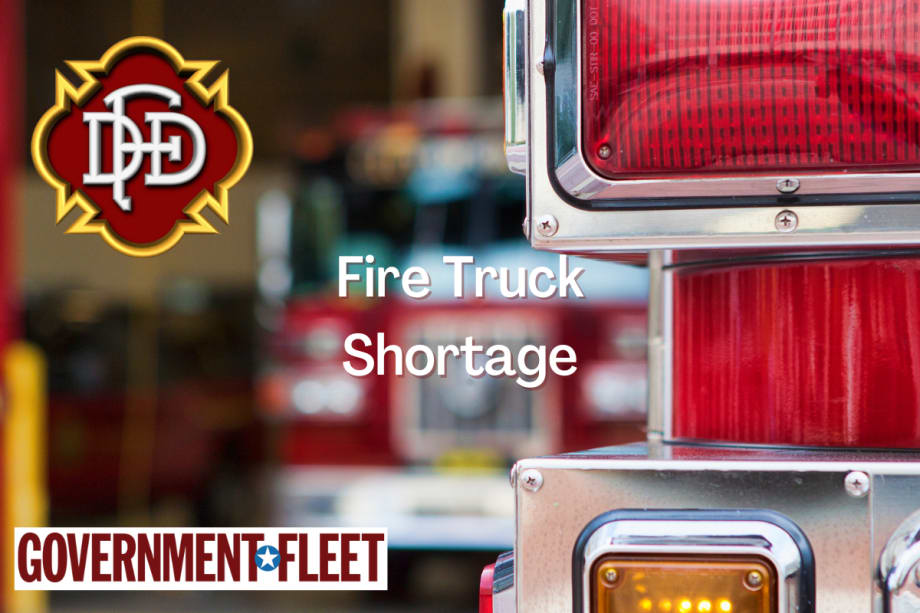
Dallas Fire-Rescue's fleet of 23 frontline fire trucks has nine vehicles out of service due to mechanical issues. It was forced to rent two fire trucks to keep its frontline fleet full.
Photo: Canva/Dallas Fire -Rescue/Government Fleet
The City of Dallas is renting trucks to keep its fire department fleet of fire trucks -- apparatus with aerial ladders -- at full capacity. Dallas Fire-Rescue (DFR) maintains a fleet of 23 frontline fire trucks placed at stations across the city to provide emergency response.
Currently, more than one-third of the department's frontline trucks, nine of them, are out of service due to mechanical issues. Because of that, all seven of the department's reserve trucks are in service. That leaves DFR two trucks short of its full response capabilities.
The department sent a memorandum to the city council on September 16, saying it had two additional frontline trucks to return to service within two weeks, which would bring the department even on responding apparatus. The remaining seven frontline apparatus have more extended repair times.
The department recently finalized an emergency rental agreement for two trucks to cover the shortage.
While it was facing a shortage in vehicles for emergency response, the department's dispatch center was utilizing software to manage gaps in coverage in real time, by shifting resources to areas of need. The system is normally used in response to periods of high call volume, but can also be utilized to mitigate response delays due to apparatus shortages.
Push for Prioritization of Safety Vehicle Production
In August, several leaders in the Dallas Fire Department and Dallas Police Department (DPD) went before the city's public safety committee, calling for state legislation for automakers to prioritize the production of public safety vehicles.
In their presentation, public safety leaders said current build times for vehicles can range from 18 months to more than two years. Both DFR and DPD have struggled to find available chassis and vehicles for fleet replacement. For DFR, the issue has mostly been surrounding the chassis needed for ambulances. The longer it takes to secure a chassis, the longer it will take to get the vehicles, since build times are increasing.
DFR is looking to partner with other fire and police departments around Texas to seek legislation requiring vehicle manufacturers to prioritize the building of chassis specifically for public safety entities.
More Operations

ENC Unveils its ZAVIR Medium-Duty Shuttle
Two variants of the concept shuttles were revealed: a low-floor configuration and a high-floor configuration.
Read More →
Could Your Next Fleet Technician Start as an Intern?
What if your next technician hasn’t worked in a fleet shop yet? What fleets are doing to free up time.
Read More →
How Phoenix Is Building Its Next Generation of Fleet Technicians
With more than 8,000 vehicles and pieces of equipment to maintain, the City of Phoenix could not afford to wait for fully trained technicians to walk through the door. Instead, they revamped their entire workforce strategy and showed how public fleets can create their own talent pipeline while preparing existing employees for increasingly complex vehicles.
Read More →
What’s Slowing Your Fleet Down?
Could a change in how work gets done help your fleet return vehicles to service sooner?
Read More →
Can Public Fleets Trust the Data Driving Their Decisions?
Public fleets have more data than ever, but inconsistent records and missing information can still undermine maintenance, replacement, and cost decisions.
Read More →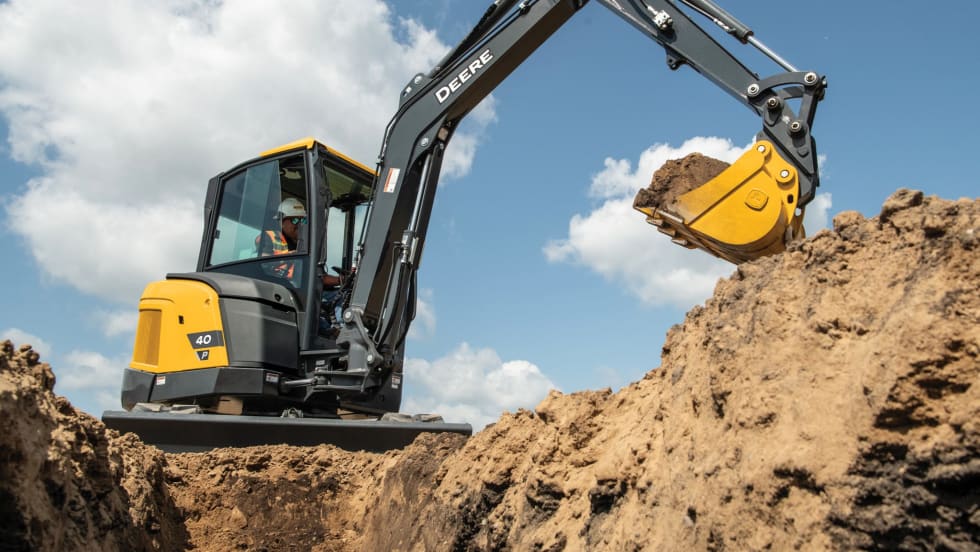
John Deere Introduces 40 P-Tier Compact Excavator
John Deere is adding a compact excavator designed for crews that need to move equipment between jobsites and handle multiple types of work with one machine. The 40 P-Tier weighs less than 10,000 pounds and offers configurable hydraulics, attachment options, and connected fleet-management capabilities.
Read More →
How Leading Fleets Improve and Why Business Plans Matter
This week, we look at what past Leading Fleet winners can teach us about making progress, plus how to build a business plan your fleet will actually use.
Read More →
Nominate a Fleet Leader for the 2027 Public Fleet Hall of Fame
Do you know a fleet leader who has made a lasting impact on the industry? Nominate this fleet professional for the 2027 Public Fleet Hall of Fame.
Read More →
Why Fleet Business Plans Need Three Perspectives
A fleet business plan should help agency leaders understand the fleet’s value, give the organization a clear direction, and establish shared expectations with customer departments.
Read More →
How Oil Analysis, Safety Technology, and Fleet Awards Drive Improvement
What happens when fleets let measured results guide their next decision?
Read More →