





Similar Content: RUBICONSmartCity Launches on the Geotab Marketplace
Santa Fe's Smart Technology Benefits Highlighted in Docuseries
Santa Fe's trash and recycling workers use RUBICON's proprietary app for real-time updates on their routes.
January 27, 2022
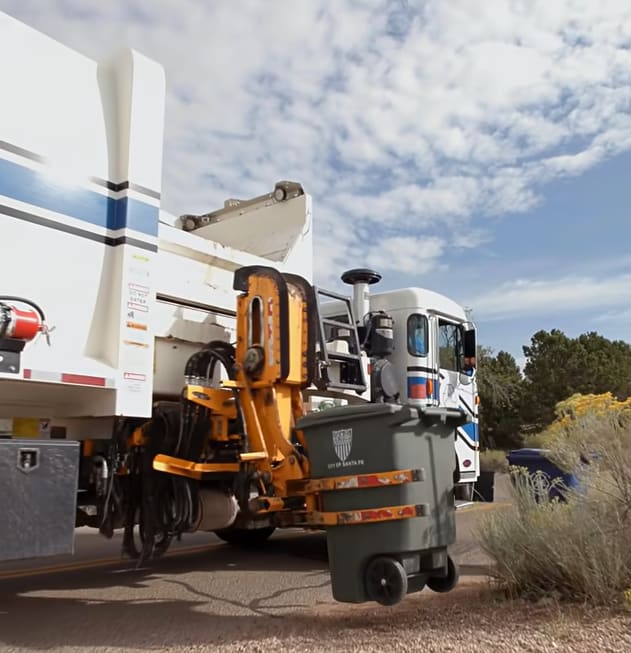
Santa Fe's trash and recycling workers use RUBICON's propreitary app for real-time updates on their routes.
Photo: Amazon
2 min to read
Using technology on its waste and recycling trucks, the City of Santa Fe, New Mexico, has improved customer service for city residents by reducing the number of missed pickups, optimizing collection routes, eliminating paper route sheets, and automating the tracking of customer issues. It has also saved taxpayer dollars by reducing fuel consumption and wear and tear on vehicles.
The city is featured in a four-part docuseries, called "Climate Next," focusing on a selection of Amazon Web Services (AWS) partners using the cloud technology to enable sustainability efforts. Santa Fe has been using Rubicion SmartCity for smart waste and recycling solutions.
Each of Santa Fe’s trash vehicles collects garbage and recycling from between 800 and 900 locations per day. Drivers carry a smartphone running Rubicon’s proprietary app, which provides optimized collection routes and live telematics information, and streams that data back to city headquarters via the cloud. Managers and supervisors can track the service status at every home in the city, monitor route progress, and address issues in the field. These are all essential insights for efficient program operations.
Before using the smart technology, recycling supervisor Abran Sanchez said crews missed up to 60 pickups per day, forcing them to return to those locations along their routes to complete the pickups. That led to higher labor costs and wasted fuel. This technology allows them to stay on track in real time, and provide updates on issues they face in the field.
Sanchez also said the number of residents who recycle has gone up since the department started using the technology.
“These efficiencies will reduce our carbon emissions associated with service delivery, moving us toward Santa Fe’s goal of carbon neutrality by 2040," said Shirlene Sitton, Environmental Services Division director for the city.
More Operations
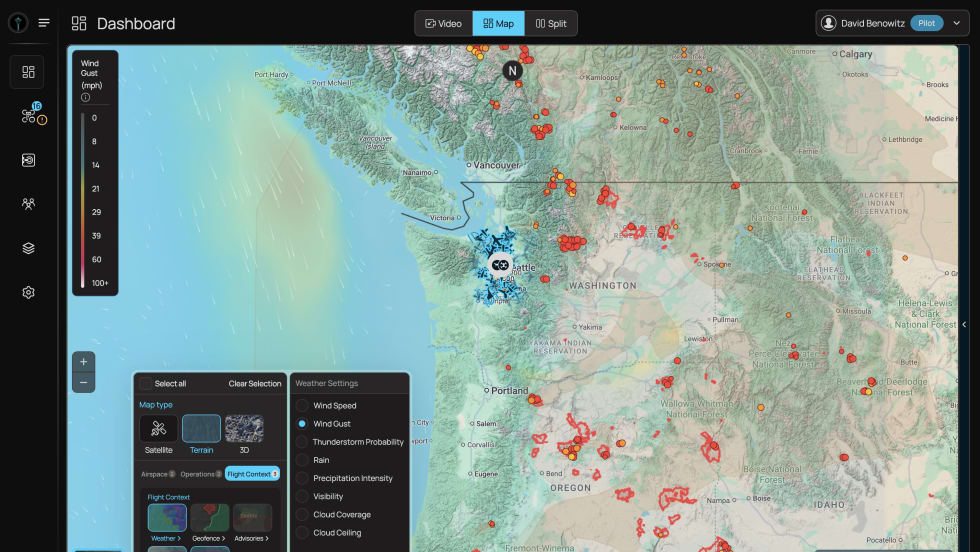
BRINC Drones Adds Free Wildfire and Smoke Tracking as Agencies Across America Battle Active Fires
New map layers give public safety agencies real-time fire detections and smoke conditions integrated directly into LiveOps at no additional cost.
Read More →
Sponsored•August 10, 2026
Hidden in Plain Sight: Fleet Compliance Risks
Your fleet may have the right policies, but are they being followed consistently? This practical guide highlights six hidden compliance risks that can undermine public sector and shared fleet operations and shares proven approaches to improve oversight, drive accountability, and maintain audit readiness.
Read More →
Dealing With Workplace Fraud in Fleets
Workplace fraud in government organizations can result in significant financial losses, but understanding its causes and implementing effective controls can help mitigate the risk.
Read More →
Mercury Associates Returns to Independent Ownership
New owners John Martin, Brad Smith, and Daniel Reichmann plan to expand Mercury’s analytical capabilities while continuing to grow the CFMO program.
Read More →
Fleet Technology Targets Inspections, EV Procurement, and Parts Sourcing
How new technology is addressing routine operational challenges, from vehicle inspections to cooperative purchasing.
Read More →
Murfreesboro Fire Rescue Orders Three New Aerial Ladder Trucks
As Murfreesboro's population grows, its fire fleet is growing with it. Three new aerial ladder trucks will replace existing frontline apparatus and equip a new ladder company planned for Station 12.
Read More →
Fleetio Launches PartsTech Integration, Helping Fleets Save up to 15 Minutes on Each Purchase Order
Integration brings parts sourcing and ordering into one connected Fleetio workflow to reduce administrative work.
Read More →
What’s Holding Your Fleet Back?
Catch up on the week with news around creating a more structured operation, examining an outdated garage, and more.
Read More →
When Better Communication Makes Fleets More Efficient
How government fleet operations can use routine communication to address underused vehicles while giving employees and customer departments a clearer way to raise concerns.
Read More →
How Dakota County Built a More Structured Fleet Operation
Kevin Schlangen shares how Dakota County’s fleet moved from reactive repairs and limited oversight to a more structured approach built around planning, training, and long-term cost control.
Read More →