





Similar Content: Strategies to Reduce Vehicle Collisions
New Annual Award Recognizes Champions of Fleet Safety in NYC
The new award recognizes unsung heroes like Nigel Reid — responsible for putting well-trained drivers behind the wheel of the safest vehicles — while also honoring the memory of Lenin Fierro.
May 22, 2021
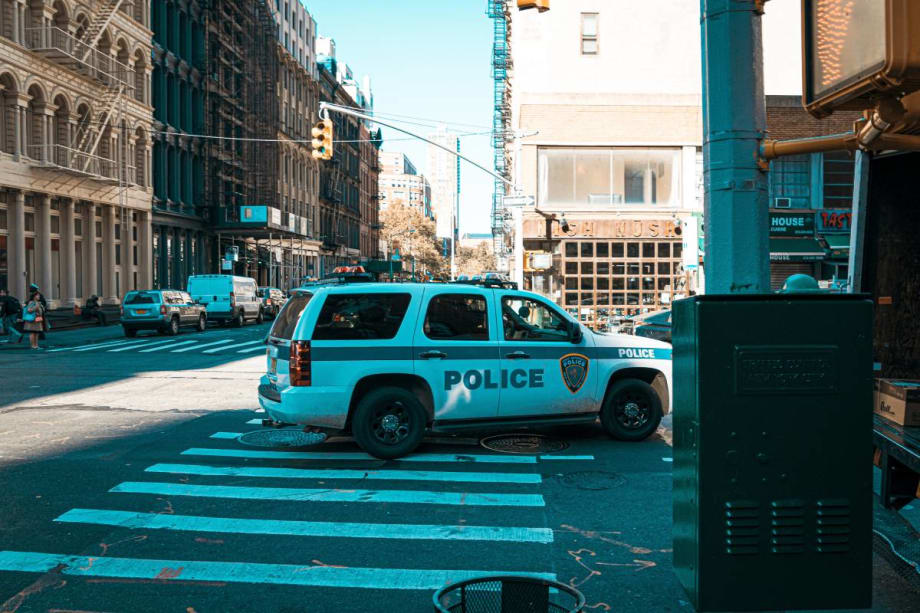
The new award recognizes unsung heroes like Reid — responsible for putting well-trained drivers behind the wheel of the safest vehicles — while also honoring the memory of Lenin Fierro.
Photo: Pexels/Matthis Volquardsen
3 min to read
The New York City Department of Citywide Administrative Services (DCAS) in partnership with Together for Safer Roads, a coalition of global private sector companies dedicated to preventing road crashes, have created an annual award that will spotlight individuals dedicated to fleet safety.
Known as the Lenin Fierro Vision Zero Fleet Advocacy Award, it is named in honor of the late Lenin Fierro, a former DCAS employee, a long-time champion for fleet safety, and a leader in Mayor de Blasio’s Vision Zero Safety initiative.
The first recipient is Nigel Reid, director of transportation at City Harvest, New York City’s largest food rescue organization, helping to feed the more than 1.5 million New Yorkers in need. He will receive the inaugural award at the Global Vision Zero Conference on May 19.
Reid oversees City Harvest’s fleet and drivers and is responsible for ensuring they can safely and efficiently rescue 30 million pounds of locally sourced food and deliver it to a network of 400 soup kitchens, food pantries, and other emergency food providers across the five boroughs of New York City. He is also charged with overseeing the safety of City Harvest’s drivers, making sure they have the tools, equipment, and support they need in order to succeed.
During the pandemic, Reid worked diligently to meet what was likely the biggest demand in the history of City Harvest while making major safety improvements in their fleet operations. He is known for building a culture of continuous improvement by working with City Harvest drivers and managers and championing new fleet safety technologies.
A Legacy of Service and Safety
The new award recognizes unsung heroes like Reid — responsible for putting well-trained drivers behind the wheel of the safest vehicles — while also honoring the memory of Lenin Fierro.
After serving in the U.S. Navy, Fierro began his NYC government career in 2014 and immediately became a major contributor in building and implementing Mayor de Blasio’s Vision Zero initiative. He spearheaded initiatives to train what is now 70,000 staff in safe driving, and he personally trained thousands.
Fierro also worked to build out the first-ever citywide collision management system, analyzed fleet collision data, surveyed city drivers, and helped NYC and the U.S. Department of Transportation develop the Safe Fleet Transition Plan. Often, Fierro represented the city in Spanish news segments on Vision Zero and participated in annual Vision Zero planning sessions. He was also the city fleet’s leader in partnering with the Department of Education to provide paid internships, driver training, and jobs to automotive high school students.
“Lenin Fierro was an extraordinary public servant,” said Keith Kerman, NYC Chief Fleet Officer and DCAS Deputy Commissioner for Fleet Management. “Lenin pushed safety in public and in private, always challenging us to do better. He was the voice of safety for our fleet operators. This award is a tribute to his legacy, and we thank Together for Safer Roads for their partnership.”
More Safety
New Partnership Aims to Expand Public Digital Hazard Alert System Statewide
The Hawai’i Department of Transportation (HDOT) is expanding advance digital hazard alerts for the public statewide.
Read More →
New York City Expands Safety Technologies Across Municipal Fleet
Executive Order 19 moves intelligent speed assistance and pedestrian alerts from pilot programs toward standard fleet equipment, offering other public fleets a look at how safety technology can be tested, measured, and scaled.
Read More →
Sponsored•August 10, 2026
Hidden in Plain Sight: Fleet Compliance Risks
Fleet compliance isn't just about having policies — it's about consistently enforcing them. This practical guide reveals six hidden compliance risks common in public sector and shared fleet operations and outlines proven strategies to improve visibility, accountability, and audit readiness.
Read More →
5 Days Left to Submit Your 2026 Fleet Safety Award Nomination
Know a government fleet, safety, or risk manager who deserves recognition for making fleet operations safer? Nominations are open through Aug. 15.
Read More →
How the First 24 Hours Can Shape a Fleet Crash Response
How a strong accident response process helps government fleets move from the initial report to recovery while building a clearer record for what needs to change next.
Read More →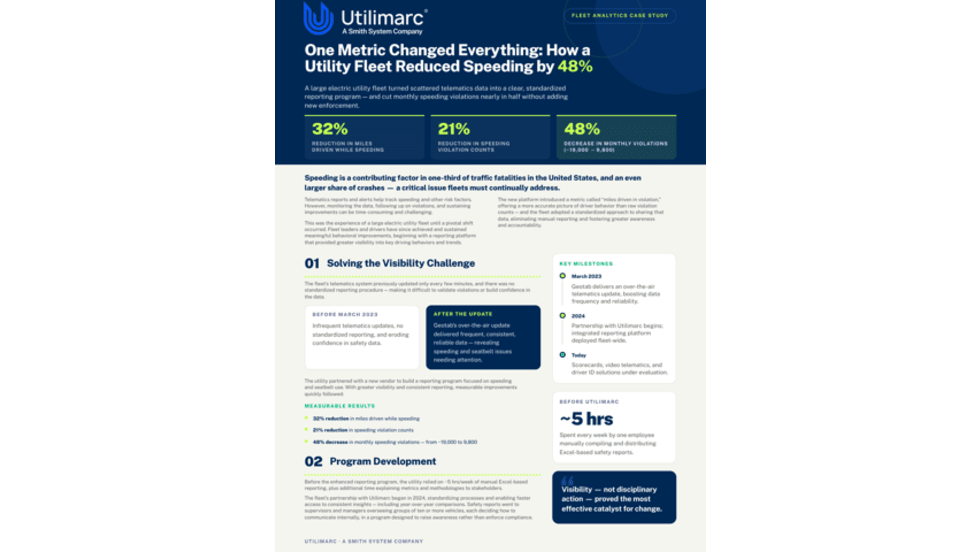
Sponsored•July 17, 2026
How Better Visibility Cut Speeding Violations by 48%
Fleet leaders don't need more data, they need clearer visibility into what the data is saying. This case study explores how one utility replaced speeding-event counts with a single metric — miles driven in violation — to strengthen safety and significantly reduce speeding violations.
Read More →
e-con Systems Expands AI Camera Tools for Traffic Monitoring
The systems support license plate recognition, traffic analytics, and video management for transportation agencies.
Read More →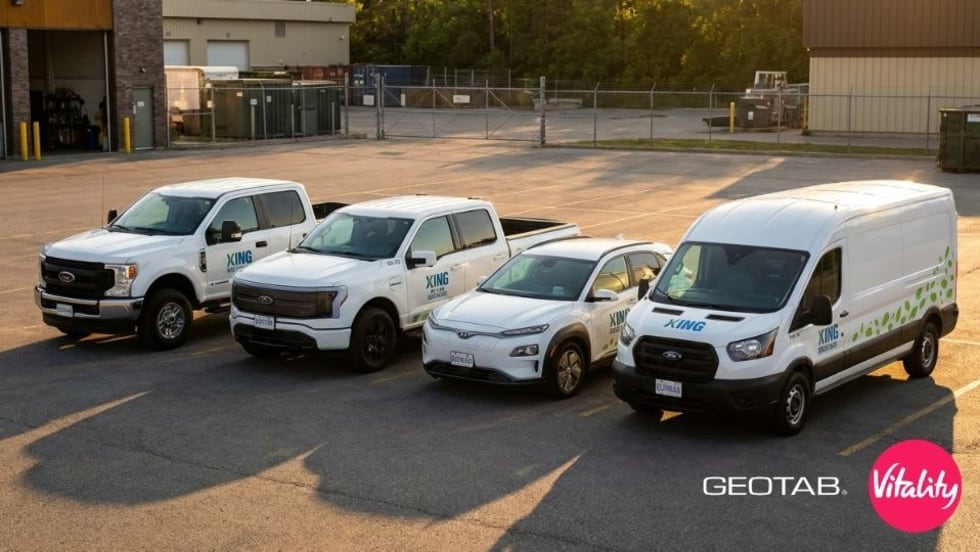
King Township Pilot Links Driver Feedback to Reduced Speeding
How King Township, a best-in-class municipal fleet, reduced speeding by 10.9% and demonstrated a projected 349% ROI by putting safety ownership directly in drivers' hands.
Read More →
Beyond the Fireline: The Critical Role of Public Fleets in Wildfire Response
Behind every wildfire response is a complex network of vehicles, data, and decisions that must work in sync under extreme pressure. Global heating trends require strong fleet coordination and reliable communications to keep crews safe and operations running smoothly.
Read More →
How AI Is Transforming Public Fleet Safety - Part 1
AI-powered safety systems are helping public fleets tackle distracted driving by delivering real-time coaching and measurable behavior change behind the wheel. In part one of our Q&A, Nauto CEO Stefan Heck explains how agencies can improve safety, reduce costs, and navigate implementation challenges with AI-driven technology.
Read More →