


 MENU
 SEARCHMENUSEARCH
Loading data...
A quick preview of select FFC 2026 sessions addressing the issues shaping government fleet operations.
Read More →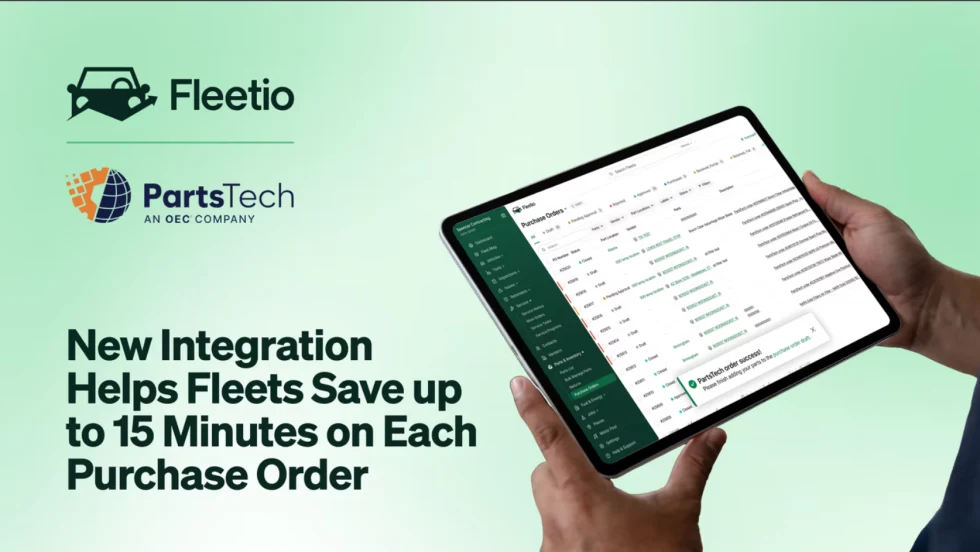
Integration brings parts sourcing and ordering into one connected Fleetio workflow to reduce administrative work.
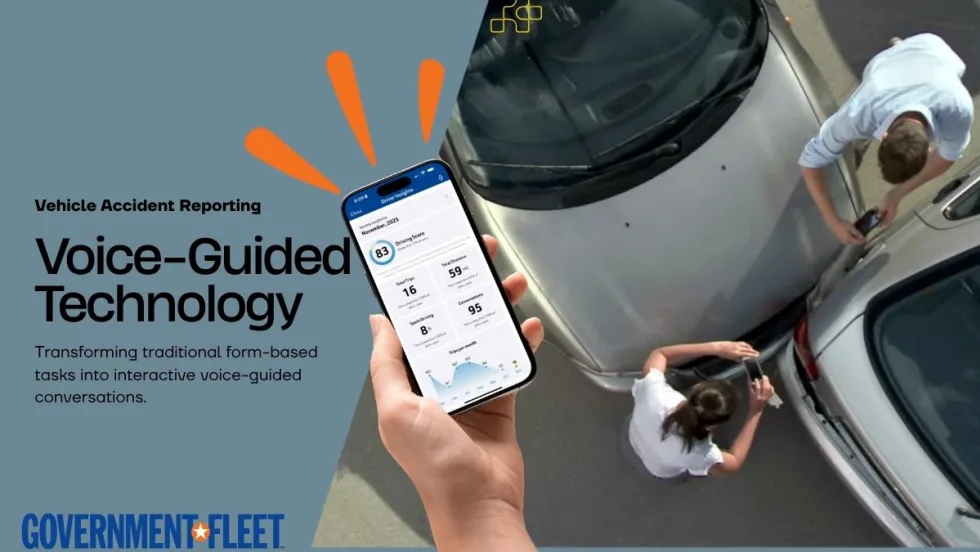
Read More →Voice-guided technology is helping drivers complete vehicle inspections, accident reporting, and motor pool checkouts through conversations instead of forms.
Read More →How a strong accident response process helps government fleets move from the initial report to recovery while building a clearer record for what needs to change next.
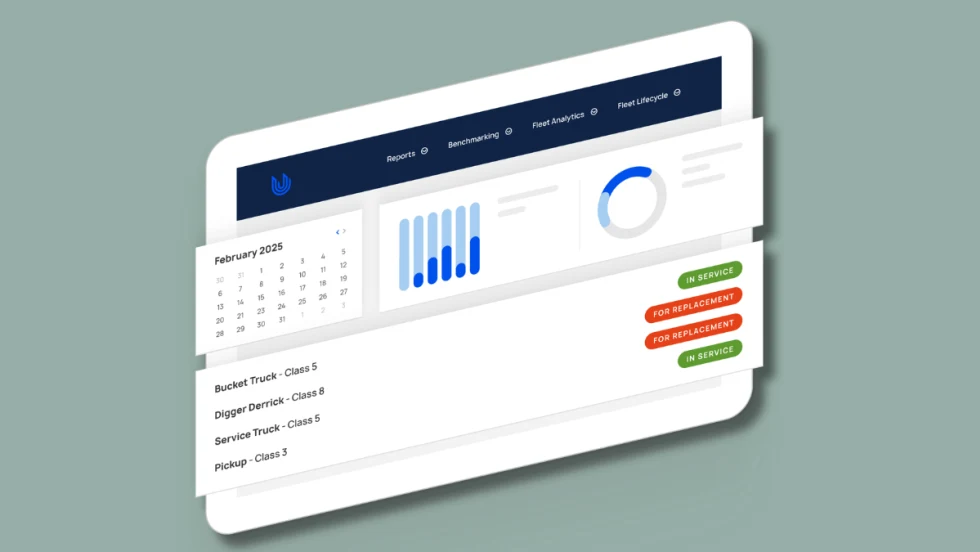
Read More →Replacing fleet vehicles often involves balancing budgets, maintenance costs, and operational needs. Utilimarc's new planning tool is designed to help fleet managers evaluate replacement priorities using existing fleet data.
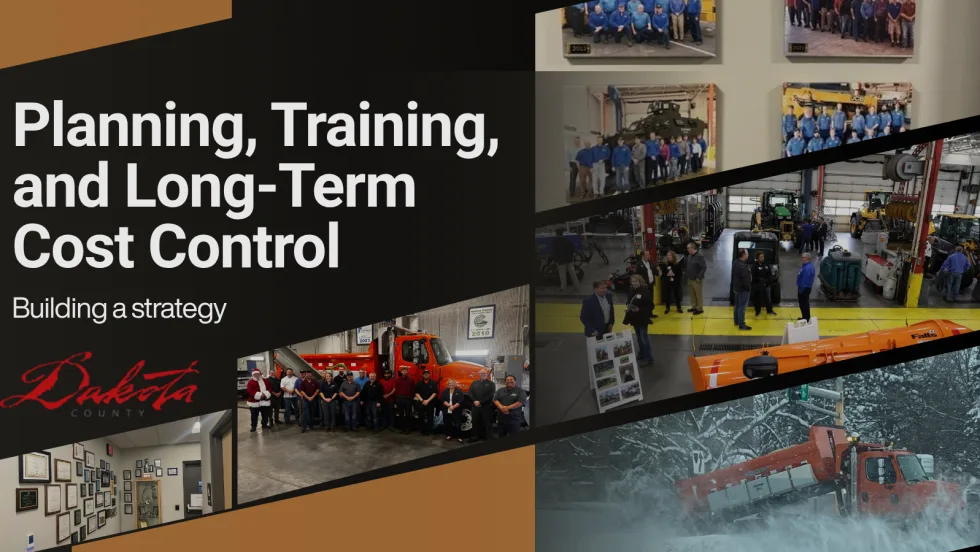
Read More →Kevin Schlangen shares how Dakota County’s fleet moved from reactive repairs and limited oversight to a more structured approach built around planning, training, and long-term cost control.
Read More →Learn how fleets can speed up storm recovery with proactive claims readiness, VIN accuracy, and pre-storm prep to minimize downtime and repair delays.
Read More →A discussion on why relationships across the government fleet community have played such an important role and what shapes the leadership response.
Read More →Tim Coxwell of the Leon County Sheriff’s Office discusses the projects shaping his fleet operation, including long-term work around vehicle selection, greenhouse gas emissions, and cost per mile.
Read More →Clear development opportunities can help fleets show technicians how their skills and careers may progress within the organization.
Read More →