


 MENU
MENU SEARCHMENUSEARCH
Loading data...
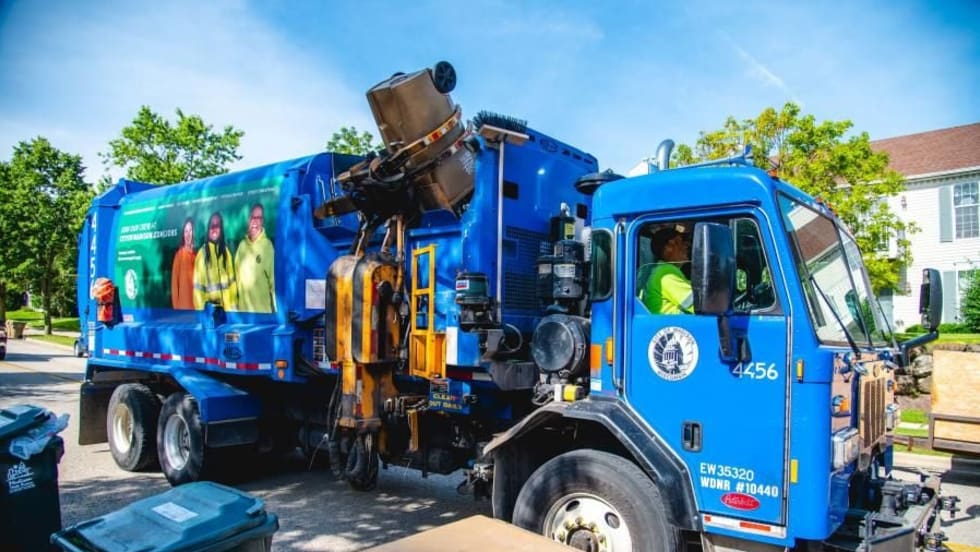
The City of Madison fleet began slowly introducing biodiesel for the past year. This summer marked the first time all ten city fueling sites dispensed B-20.
Read More →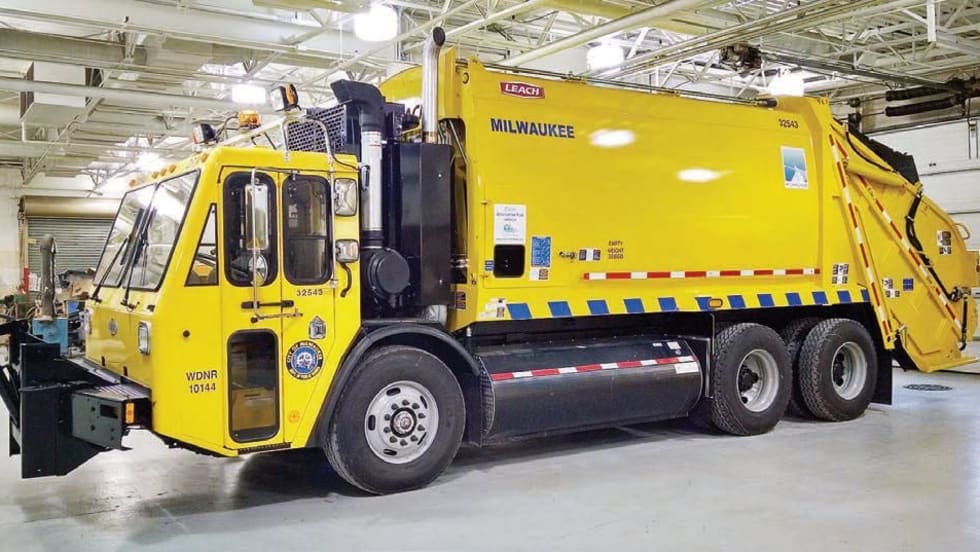

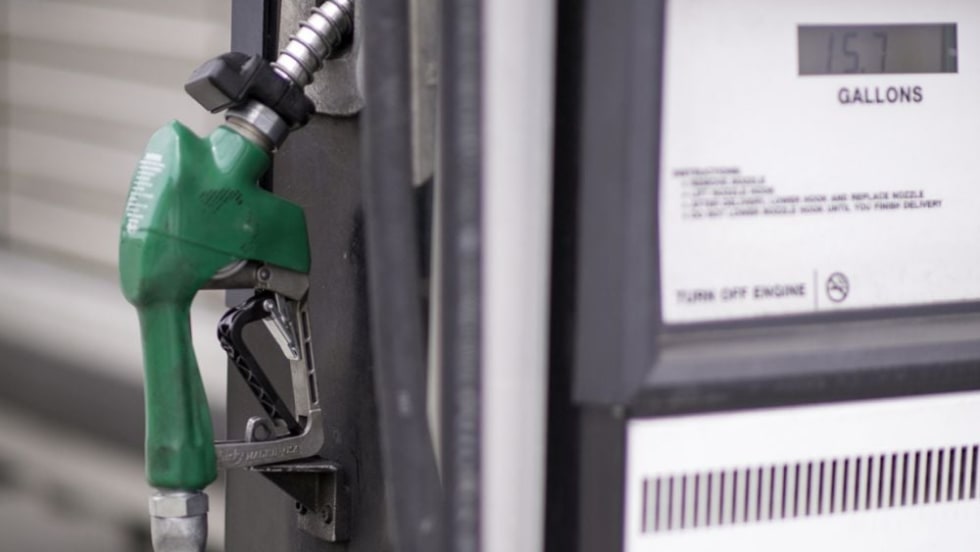
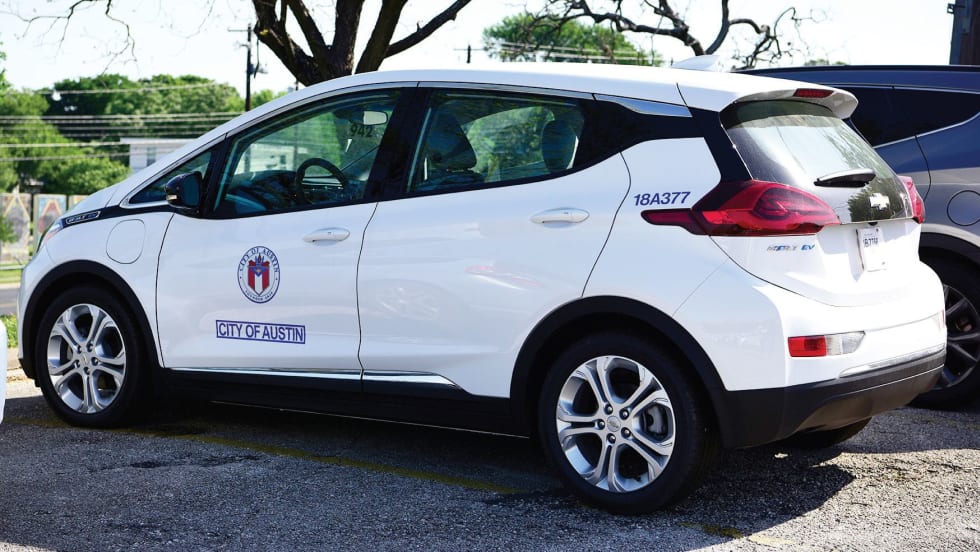


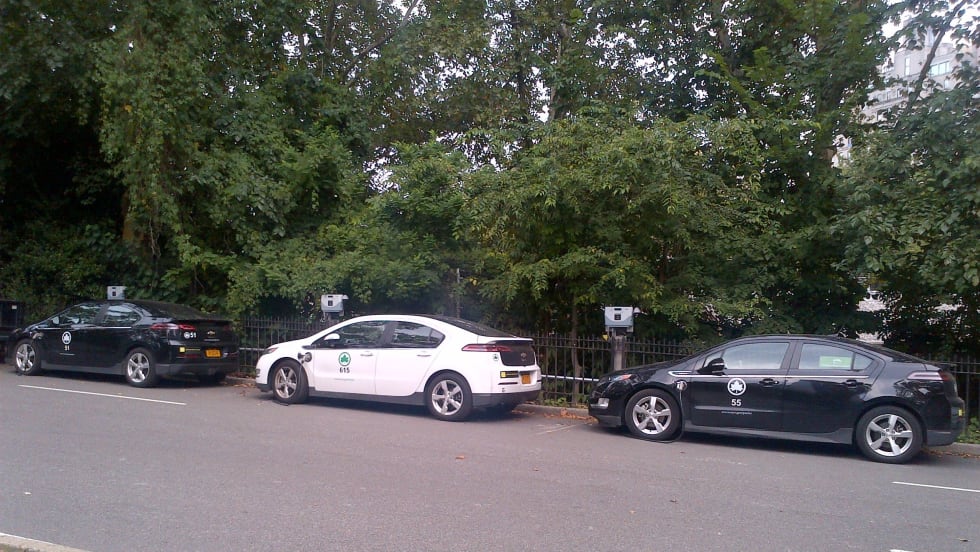
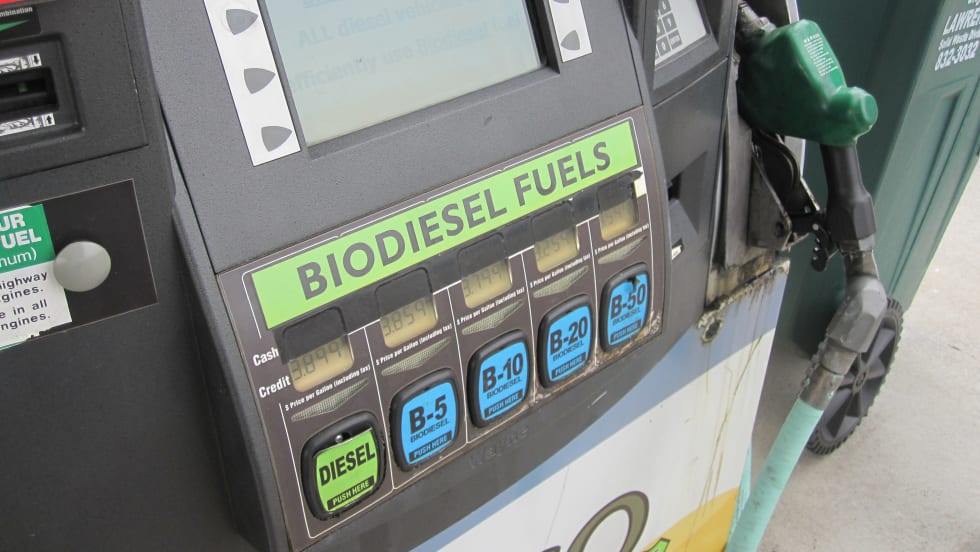

Whether it’s reducing reliance on traditional fuels or cutting harmful emissions, public agencies are meeting their sustainability goals through various methods.
Read More →A biodiesel specialist with the Illinois Soybean Association provides five steps to help ensure trouble-free fuel performance this winter.
Read More →Following a successful renewable diesel demo project, New York City announced it will phase out the use of traditional diesel for its fleet.
Read More →In order to meet a citywide goal to become carbon neutral by 2020, the City of Austin, Texas, found success in adopting multiple alternative fuels.
Read More →Driven by an investment in electric vehicles (EVs), fuel economy of new non-emergency light- and medium-duty vehicle purchases for the New York City fleet reached 83.7 mpg in fiscal-year 2017.
Read More →Voyageurs National Park in Minnesota runs biodiesel blends of up to B-20 year-round, despite temperatures that fall to an average low of minus 7 degrees. A proper winter additive prevents problems.
Read More →In fiscal-year 2016, New York City’s fleet of light- and medium-duty non-emergency vehicle purchases averaged 55 mpg. This was achieved through the addition of electric, hybrid, and other fuel-efficient vehicles.
Read More →DC Water now uses biodiesel fuel to fuel all 230 of its diesel vehicles, including sewer trucks, utility and dump trucks, crane trucks, and crew cabs. The agency uses a B-20 blend of 20% biodiesel and 80% petroleum diesel.
Read More →Through its biodiesel program, the Chicago Park District recycles used cooking oil from local restaurants to fuel 56 vehicles in its fleet, including lawnmowers, refuse trucks, and log loaders.
Read More →