




How the City of Austin Reduces its Carbon Footprint
In order to meet a citywide goal to become carbon neutral by 2020, the City of Austin, Texas, found success in adopting multiple alternative fuels.

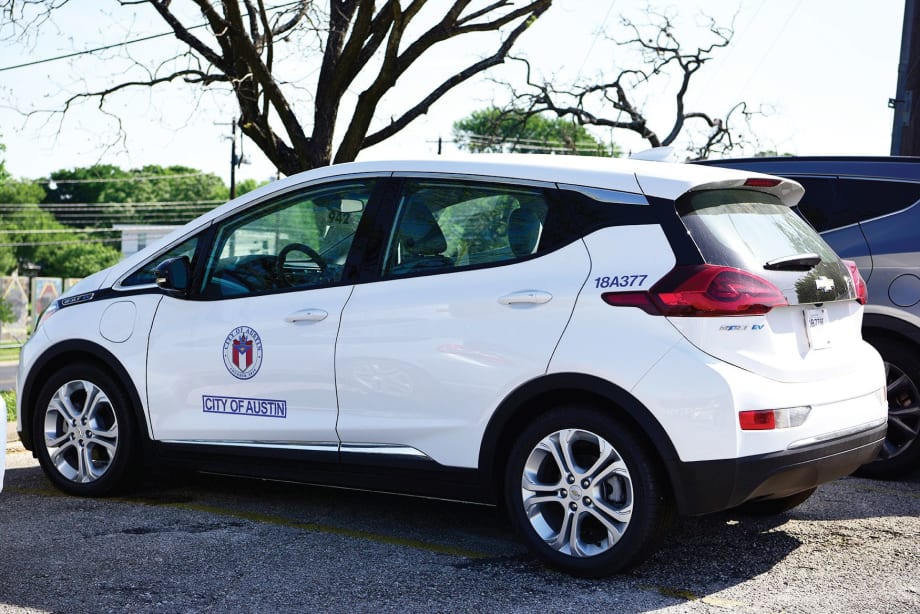
More than 80% of the City of Austin’s fleet vehicles run on alternative fuels or are alternative-fuel capable, including this Chevrolet Bolt electric car.
Photo courtesy of City of Austin
For the City of Austin, Texas,procuring new vehicles helps the fleet achieve the city’s goal of becoming carbon neutral by 2020. The Carbon Neutral Fleet Plan calls for 95% of all vehicle purchases to be alternative fuel, hybrid, or electric. Fleet Officer Jennifer Walls, CAFM, said the fleet has been able to achieve this goal for several years — and without a significant budget impact.
“We have found there is nearly always an alternative-fueled vehicle option that will meet the operational needs of our customers, and most alternative-fueled options with the exception of compressed natural gas (CNG) and electrification do not cost much more than standard vehicles,” she said.
Today, more than 80% of the city’s 6,500+ fleet vehicles run on alternative fuels or are alternative-fuel capable. These include flex-fuel vehicles, plug-in hybrid electric vehicles (PHEVs) and electric vehicles (EVs), and vehicles that use biodiesel, propane autogas, or CNG.
Walls said the city has been able to offset the increase in CNG vehicle purchase price with grant funding, as was the case with its CNG refuse trucks.
“As we transition to vehicles with higher acquisition costs such as CNG and electric vehicles, total cost of ownership of the vehicle over its life is where the savings will occur,” Walls said.
While PHEVs and battery-electric vehicles (BEVs) also come with a higher purchase price, lower total cost of ownership and long-term fuel cost savings are expected to offset the upfront expenditure.
“A recent feasibility study conducted in coordination with our strategic partners revealed the total cost of ownership of light-duty electric vehicles over a 10-year life to be cheaper than that of traditional vehicles,” Walls explained.
The vehicles that run on E-85 or B-20 biodiesel make up a large portion of the fleet and have minimal or no price difference compared to their gasoline and diesel counterparts.
Walls advised fleets to look at long-term savings.
“With over 10 years focusing on the greening of our fleet, both procurement and operating costs have not been significantly higher than what we would have spent on traditionally fueled vehicles during that time,” she said.
Editor's Note: This story is part three of afour-part series on the cost impact of procurement. Click hereto read part four, about the San Francisco Fire Department's efforts to increase efficiency.
Related: Electric Powertrains are the Future. Will Fleets Be Ready?
More Procurement
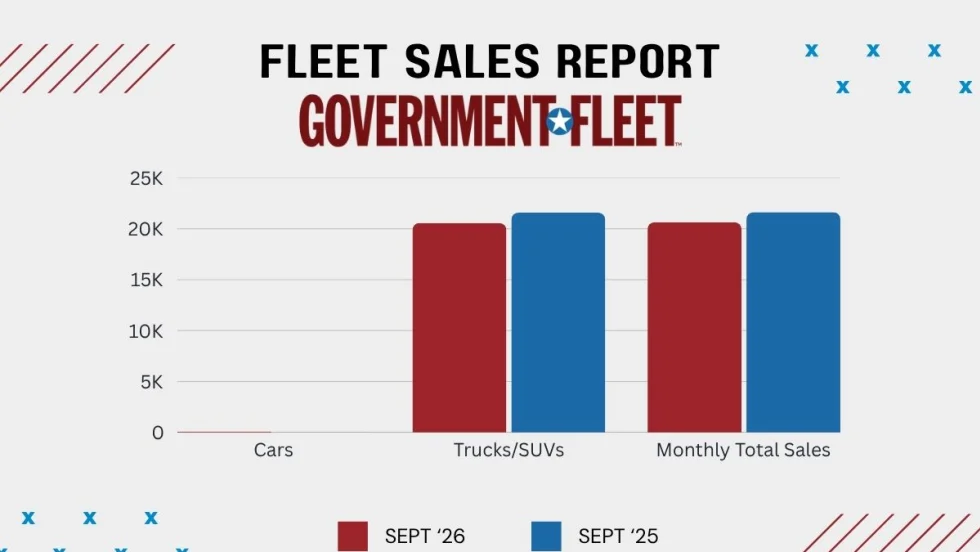
Government Fleet Car Sales More Than Double in September
Government fleet car sales rose 112.8% year over year in September, climbing from 39 to 83 units even as total monthly sales declined 4.5%.
Read More →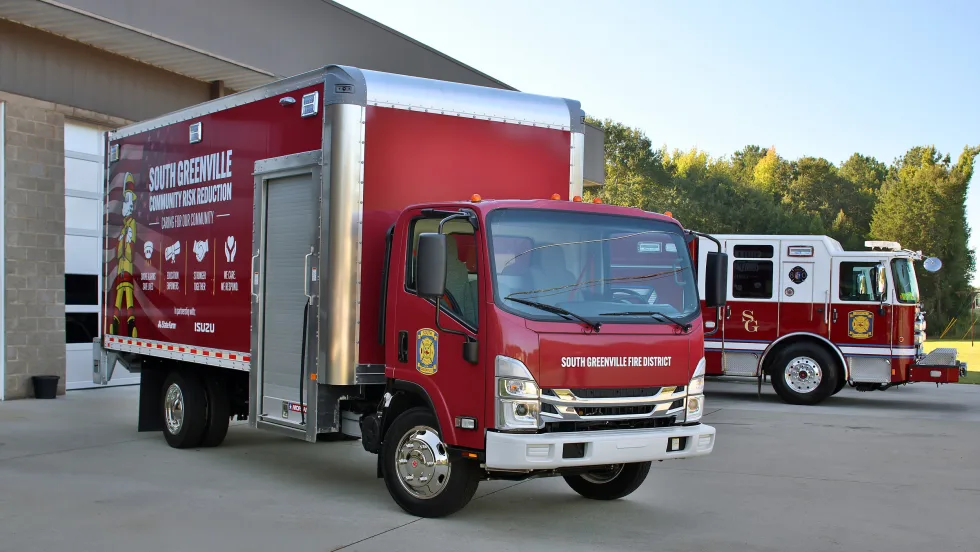
Isuzu Donates New N-SERIES NRR Truck to South Greenville Fire District to Support Community Outreach
Isuzu NRR equipped with Morgan truck body and PALFINGER liftgate will help support fire safety education, community engagement and outreach programs throughout Southern Greenville County.
Read More →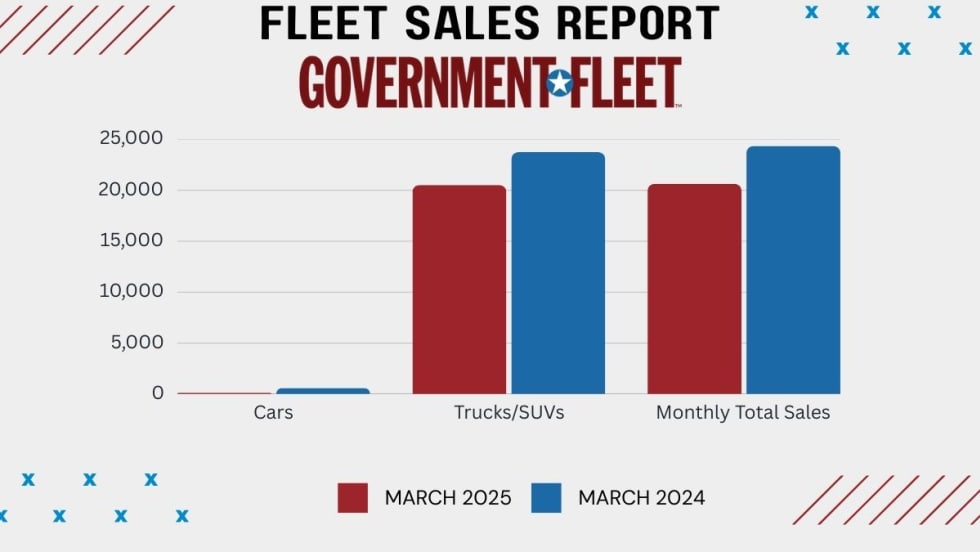
Government Vehicle Sales See Continued Growth from Beginning of Year
Government fleet sales rose from both January and February monthly totals, which were both under 20,000.
Read More →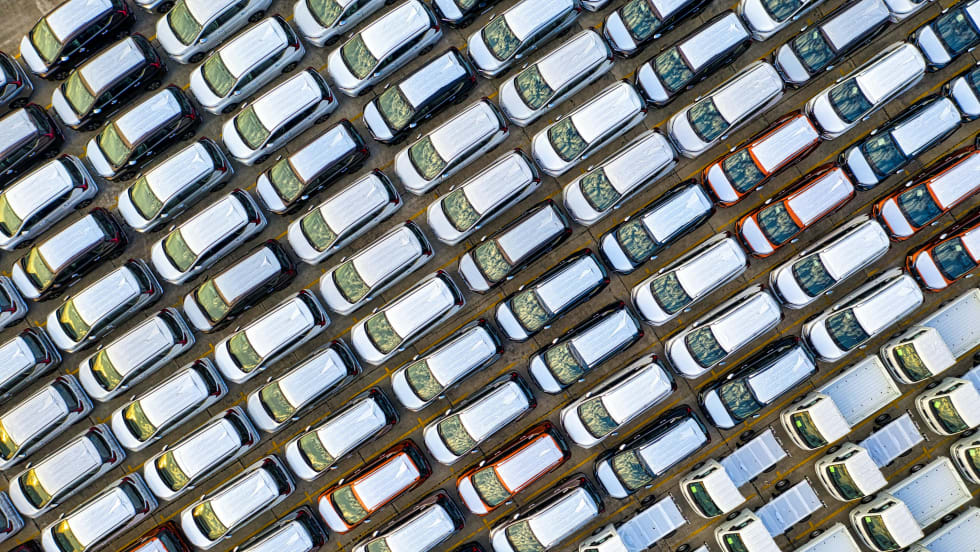
Updated: Trump Signs Proclamation Imposing 25% Tariff on Auto Imports
A new proclamation signed by President Trump imposes a 25% tariff on imported passenger vehicles and key auto parts, citing national security concerns.
Read More →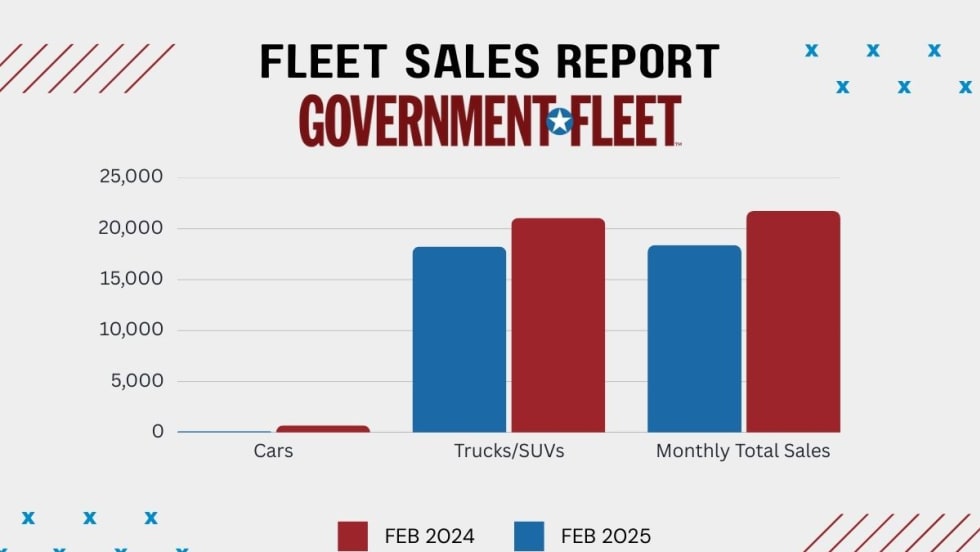
Government Vehicles Sales See Another Dip Compared to 2024
Government fleet sales last month came in at 18,383 vehicles, falling 15.4% from 21,737 in February 2024.
Read More →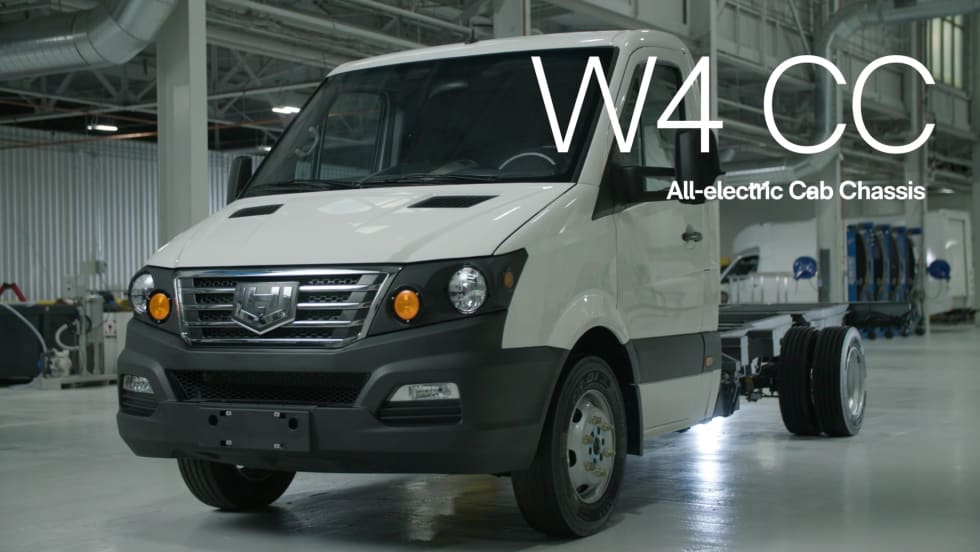
Washington Municipality Adds Workhorse Electric Trucks to Fleet
The municipality will deploy two W4 CC electric work trucks for trash and recycling can switch-outs, enhancing the efficiency of its waste management services.
Read More →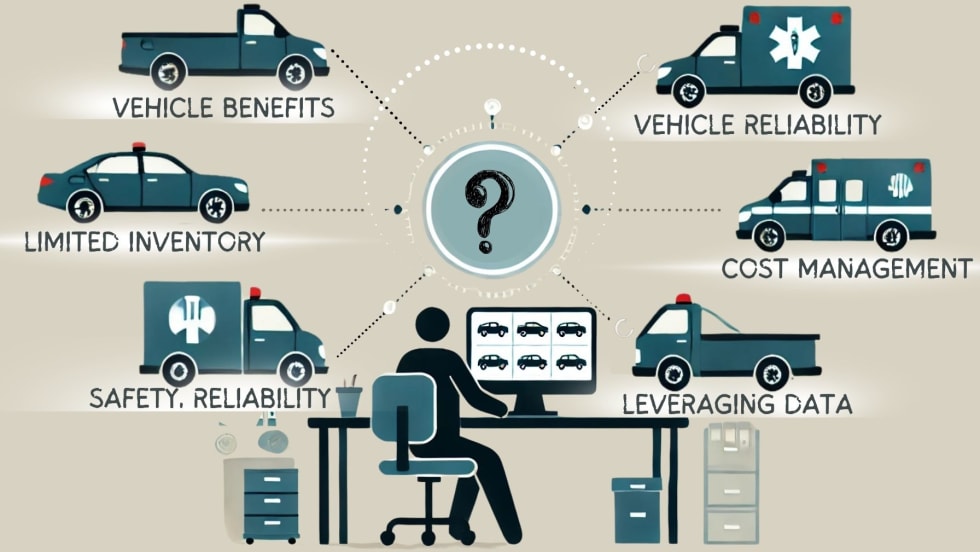
From the Archives: Changes in Fleet Acquisitions
When vehicles become harder to acquire, fleet managers must balance keeping vehicles on the road longer while managing the escalating operating costs of older vehicles.
Read More →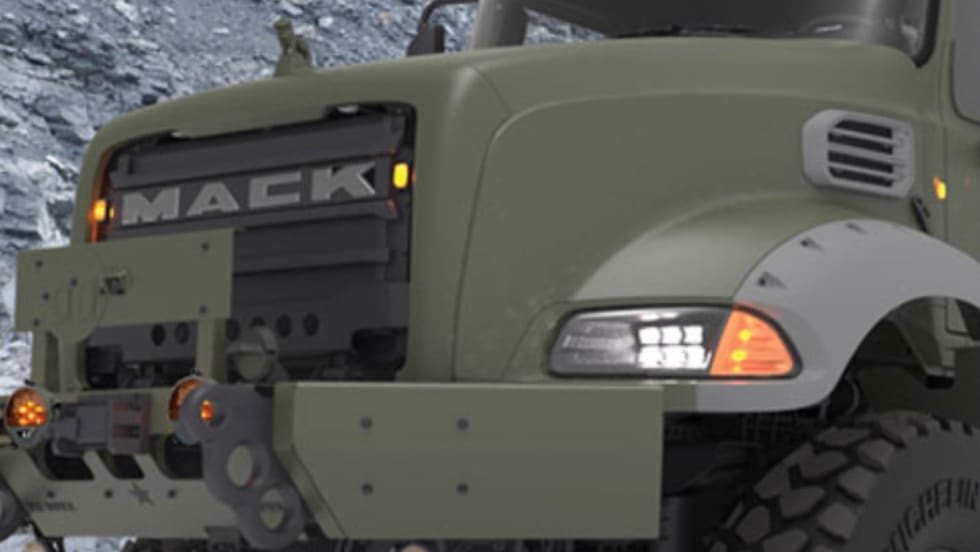
Mack Defense Awarded Contract By U.S. Marine Corps To Develop Medium Tactical Truck
The U.S. Marine Corps awarded Mack Defense a 12-month contract for the initial development of a new Medium Tactical Trucks (MTT) fleet.
Read More →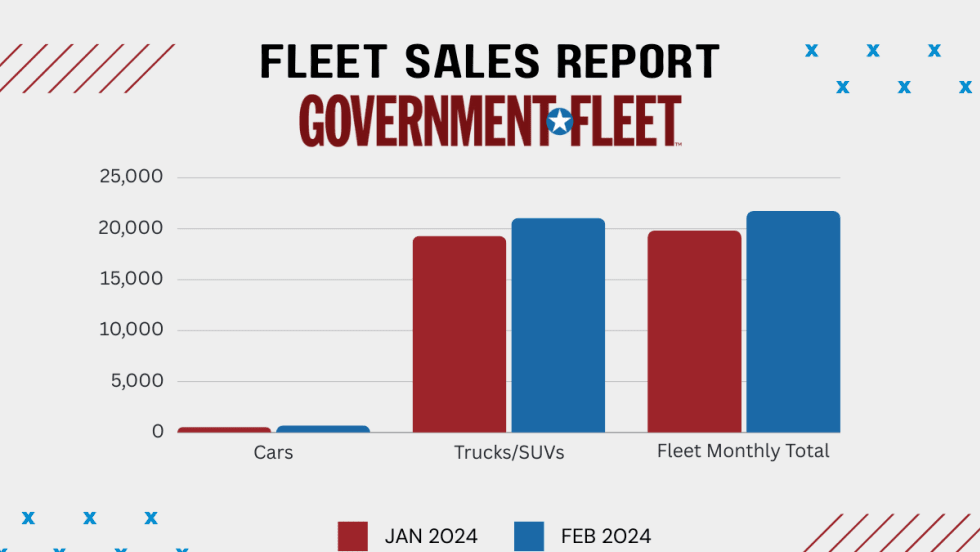
Government Vehicle Sales Rise from January to February
Government vehicle sales continue to rise into 2024 with both car and truck/SUV sales climbing between January and February of 2024, according to Bobit/Government Fleet sales data released March 2.
Read More →
How the UAW Strike Affected Government Fleet Orders from the Big 3
Government Fleet asked the Big 3 how their operations have been in the weeks since the UAW strike ended, with new contracts ratified. Plus, automakers address concerns about vehicle delivery delays.
Read More →