




Wisconsin City Adopts B-20 for All Diesel Vehicles
The City of Madison fleet began slowly introducing biodiesel for the past year. This summer marked the first time all ten city fueling sites dispensed B-20.

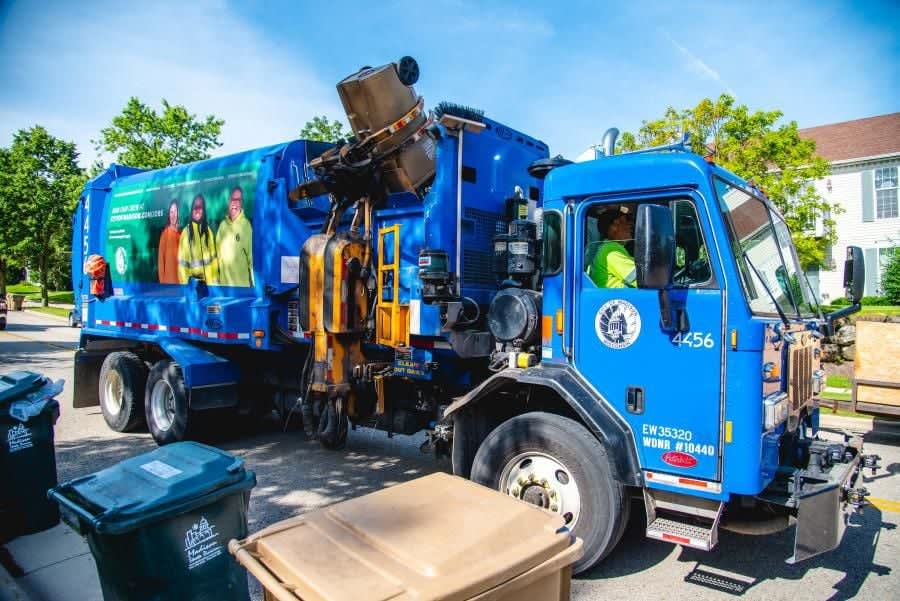
The City of Madison's fleet vehicles that run on diesel, including refuse trucks, will now be fueled with B20.
Photo courtesy of City of Madison
The City of Madison has started fueling its diesel vehicles with B20, a 20% biodiesel blend. It is the first government fleet in the State of Wisconsin to use B-20 for all diesel vehicles.
Biodiesel is a biodegradable, renewable fuel that can be dispensed in virtually any vehicle of equipment that runs on petroleum diesel. Since biodiesel is produced domestically, using the alternative fuel further reduces the City of Madison’s carbon footprint.
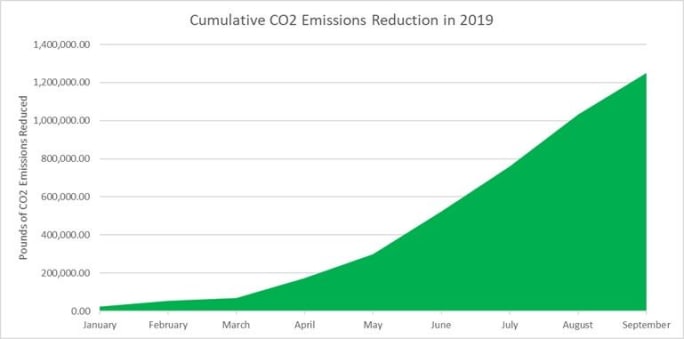
Since implementing B20, the city has already seen significant reductions in CO2 emissions.
Image courtesy of City of Madison
Fleet began slowly introducing biodiesel for the past year. This summer marked the first time all ten city fueling sites dispensed B-20. Of the city’s 500+ pieces of equipment fueled by diesel, only seven units have proven to be incompatible with biodiesel: asphalt heaters used to patch potholes.
“Madison’s transition to biodiesel has gone largely unnoticed – and in the fleet world that’s a good thing. The equipment is working while we take this positive step for the environment,” wrote Rachel Darken, administrative assistant for the City of Madison Fleet Service, in a blog post.
To mitigate any potential issues in winter conditions, the city will adopt smaller blends of biodiesel such as B-5 when the temperature approaches 0 degrees Fahrenheit. Fleet Services has also told fleet users to expect more frequent fuel filter changes when first using biodiesel.
More Green Fleet
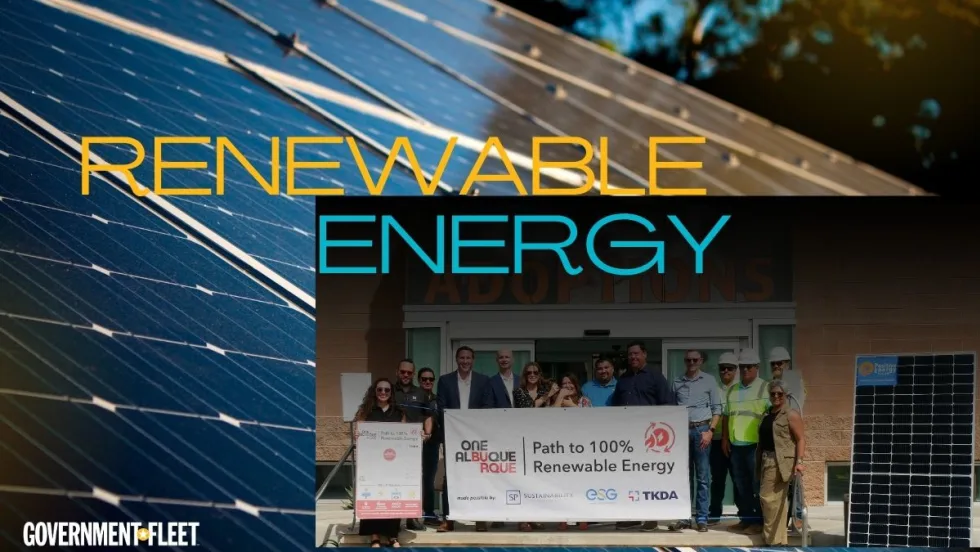
Sustainability Partners, Energy Systems Group Help Albuquerque Close the Gap on its 100% Renewable Energy Goal
The eight-site, 6 MW solar project has advanced the city toward 100% renewable energy for municipal operations.
Read More →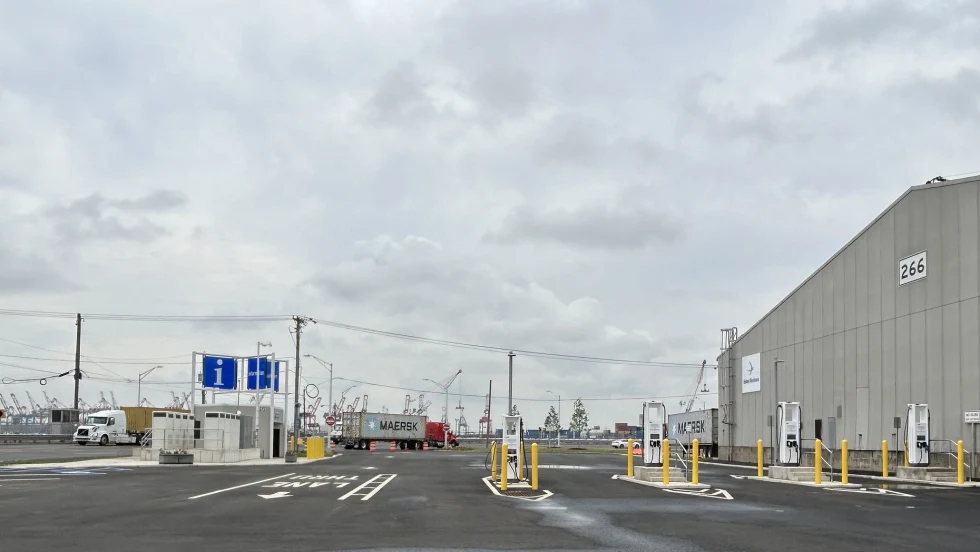
Port Authority and CALSTART Launch $45 Million Electric Truck and Charging Programs
The programs aim to boost sustainable operations across the East Coast's busiest seaport.
Read More →
Moving Government Fleets Beyond the Vehicle Purchase: EV as a Service
A discussion on how EVaaS is moving beyond pilot programs and what fleets should consider before beginning a larger deployment.
Read More →
Moving Government Fleets Beyond the Vehicle Purchase: EV as a Service
As fleets move beyond small EV pilots, Sustainability Partners CEO Adam Cain explains how EVaaS can address the infrastructure and long-term planning required for larger deployments.
Read More →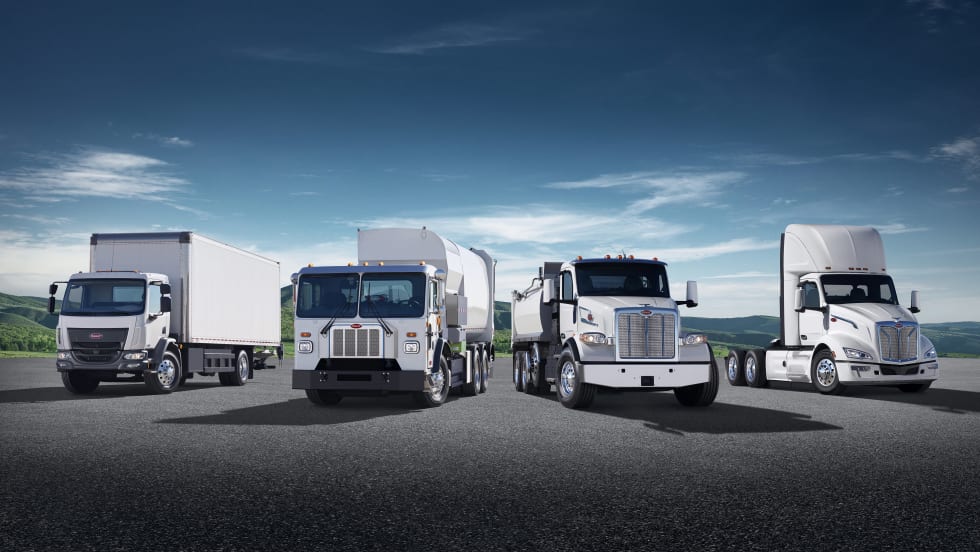
Peterbilt Expands Sourcewell Partnership with Electric Vehicle Lineup
The agreement aims to provide streamlined procurement of Peterbilt trucks for government, education, nonprofit and tribal organizations across the United States and Canada.
Read More →
EV Adoption & Charging Challenges
Where is your fleet in the journey of vehicle electrification? If you're still looking for answers to fleet electrification you've come to the right place.
Read More →
Hawaii Passes Clean Fuel Policy
Hawaii lawmakers passed clean fuel legislation that could support renewable natural gas production, biogas-powered transportation, and lower-carbon fueling options for public and commercial fleets.
Read More →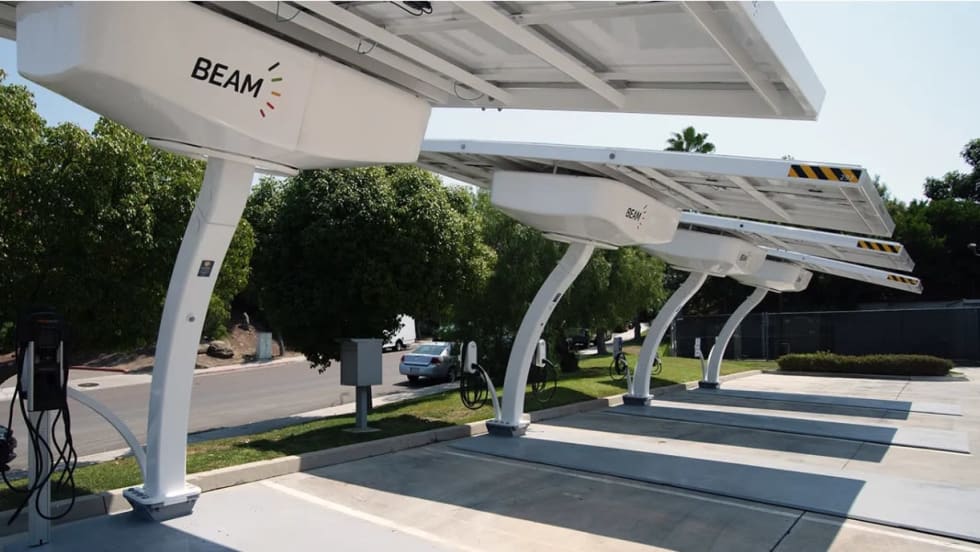
Stanislaus County Deploys Ten Beam Global EV ARC Systems to Support County Fleet Electrification
Stanislaus County deployed 10 off-grid solar-powered EV charging systems and a mobile charging trailer from Beam Global to support its electric fleet operations and emergency response flexibility.
Read More →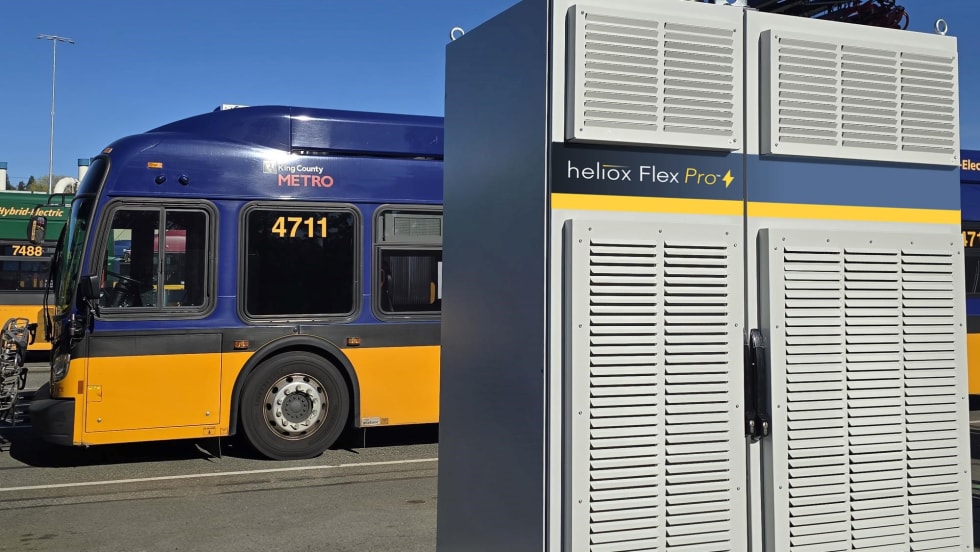
Heliox Pilots 480-kW Bus Charger with King County Metro
King County Metro is piloting Heliox’s new 480-kW Flex Pro charger to support expansion of its battery-electric bus fleet and depot charging infrastructure. The compact charging system supports pantograph and plug-in charging configurations for high-density transit operations.
Read More →