




5 Steps to Improving Biodiesel Performance in Cold Weather
A biodiesel specialist with the Illinois Soybean Association provides five steps to help ensure trouble-free fuel performance this winter.

"In truth, all diesel fuels require maintenance steps in winter. Remember, biodiesel is an all-weather fuel with high performance year-round," Pete Probst of the Illinois Soybean Association says.
Photo via iStock
With frigid temperatures approaching, now is the time to check your fuel system to prevent common issues and keep equipment running smoothly through cold winter months.
Pete Probst, biodiesel specialist with the Illinois Soybean Association (ISA) and Indigenous Energy, provides five steps to help ensure trouble-free fuel performance this winter.
Measure cold-weather operability. Diesel fuel performance in cold weather can vary based on crude oil source and how the fuel has been refined and blended. Cold-flow properties of biodiesel can depend on the feedstocks used for its production.
Whether you run on biodiesel or standard No. 2 diesel fuel, two cold-flow measurements are critical: cloud point (CP) and cold filter plugging point (CFPP). CP is the temperature at which wax crystals first appear in the fuel, making it appear cloudy or hazy. CFPP is temperature at which larger wax crystals form and start to plug the fuel filter.
“CFPP generally indicates the lowest temperature for vehicle operation,” Probst said. “To prevent engine power loss, CFPP should be above expected wintertime low temperatures in your area. Ask your fuel supplier for assistance in testing your fuel before winter begins.”
To test cold-flow characteristics, ISA collected fuel samples from 149 Chicago-area retail stations during the 2017-18 winter. CP and CFPP results were similar for both biodiesel blends and diesel fuel, indicating drivers could expect similar wintertime performance.Use winter fuel additives. Regardless of the fuel you are using, it’s important to winterize fuel to withstand expected low temperatures in your area. “Additives help lower the CFPP and improve the flow of both diesel and biodiesel blends during freezing temperatures,” Probst said. “Work with your fuel supplier to determine additive needs and remember to apply additives before the fuel reaches the cloud point temperature.”
Probst noted that drivers traditionally have added No. 1 diesel, or kerosene, to diesel or biodiesel blends to improve cold weather operability. However, kerosene has a lower BTU value than diesel and can reduce fuel economy. “Additives are generally less expensive and perform just as well as kerosene,” he said.Check for contaminants. Whether you run biodiesel or standard diesel fuel, check storage tanks for water or other contaminants. Water is the most common source of fuel filter plugging issues in diesel engines during winter. When temperatures fall below 32 degrees F, excess water in the tank can freeze and block fuel flow through the filter.
A Bacon Bomb device is an easy and inexpensive way to retrieve a fuel sample from the tank bottom, where free water and sediment settle. You can purchase your own Bacon Bomb for sampling or ask your fuel supplier to provide this service,” Probst said.
Place the fuel sample in a clear plastic or glass jar to inspect for water and sediment. The fuel should be clear and bright. Hazy fuel indicates water contamination. If you detect water, take steps to clean and remove it, or consider a de-icer to keep the water suspended and moving through the system during cold weather.Be aware of microbial growth. Water in the tank also leads to microbial growth.
“Microbial contamination has become more common since the introduction of ultra-low-sulfur diesel (ULSD) fuel in 2006. Prior to ULSD, high sulfur content in diesel fuel acted as a natural antimicrobial agent,” Probst said.
If inspection shows water in your storage tank, Probst advises working with your fuel supplier to test for microbes. Biocides are available to treat contaminated tanks. In severe cases, the tank should be drained and cleaned.Keep water out of the tank. Take these steps to prevent water from entering your fuel tank in the first place. For example:
Top off tanks to eliminate air space that could foster condensation when temperatures change.
Keep fuel caps tight to keep water from entering the tank.
Inspect hoses and gaskets for leaks.
Keep underground storage tank sump pits and fill connection spill containers clean and dry.
“Cold weather performance issues are sometimes falsely blamed on biodiesel blends. In truth, all diesel fuels require maintenance steps in winter. Remember, biodiesel is an all-weather fuel with high performance year-round. With proper maintenance and basic housekeeping practices, you can expect a problem-free experience from ULSD or biodiesel blends up to B-20,” Probst said.
This article was provided by the Illinois Soybean Association.
More Green Fleet
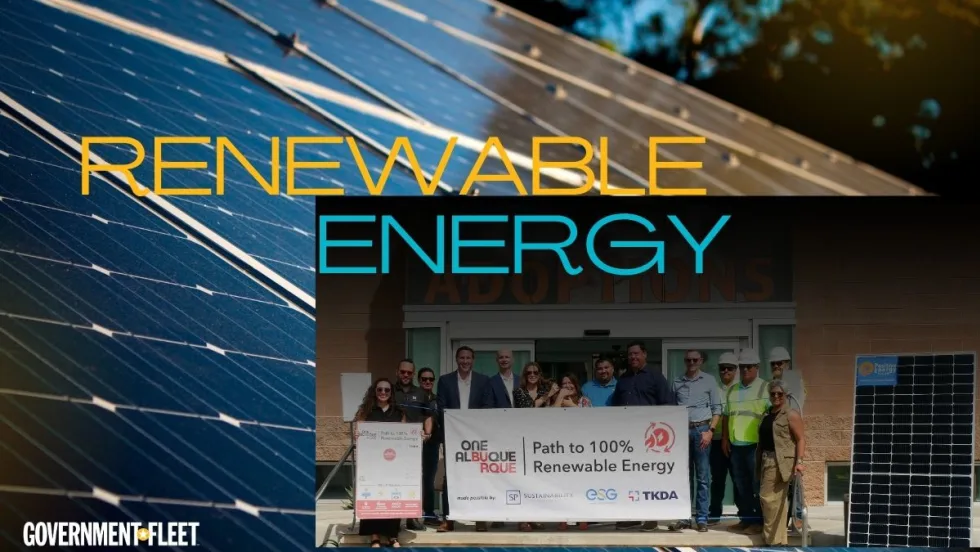
Sustainability Partners, Energy Systems Group Help Albuquerque Close the Gap on its 100% Renewable Energy Goal
The eight-site, 6 MW solar project has advanced the city toward 100% renewable energy for municipal operations.
Read More →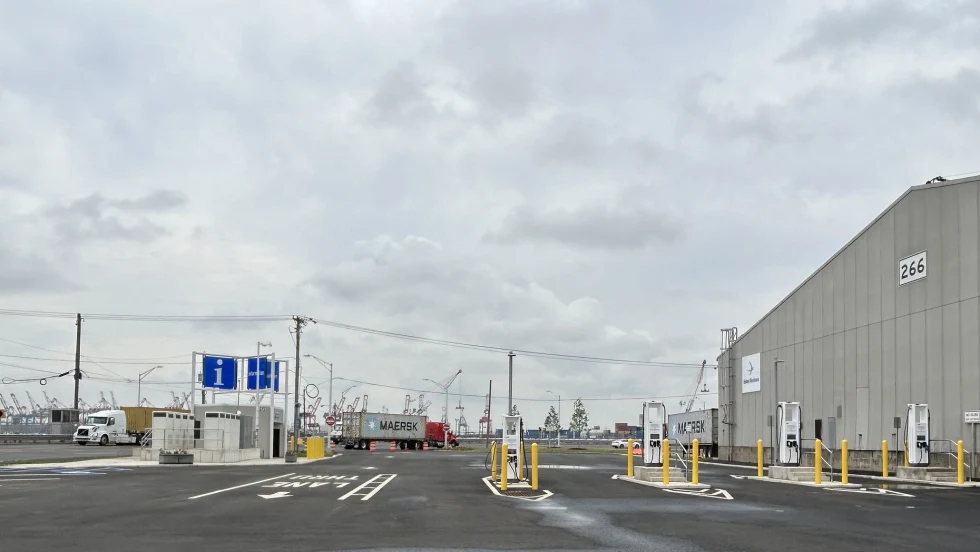
Port Authority and CALSTART Launch $45 Million Electric Truck and Charging Programs
The programs aim to boost sustainable operations across the East Coast's busiest seaport.
Read More →
Moving Government Fleets Beyond the Vehicle Purchase: EV as a Service
A discussion on how EVaaS is moving beyond pilot programs and what fleets should consider before beginning a larger deployment.
Read More →
Moving Government Fleets Beyond the Vehicle Purchase: EV as a Service
As fleets move beyond small EV pilots, Sustainability Partners CEO Adam Cain explains how EVaaS can address the infrastructure and long-term planning required for larger deployments.
Read More →
Peterbilt Expands Sourcewell Partnership with Electric Vehicle Lineup
The agreement aims to provide streamlined procurement of Peterbilt trucks for government, education, nonprofit and tribal organizations across the United States and Canada.
Read More →

EV Adoption & Charging Challenges
Where is your fleet in the journey of vehicle electrification? If you're still looking for answers to fleet electrification you've come to the right place.
Read More →
Hawaii Passes Clean Fuel Policy
Hawaii lawmakers passed clean fuel legislation that could support renewable natural gas production, biogas-powered transportation, and lower-carbon fueling options for public and commercial fleets.
Read More →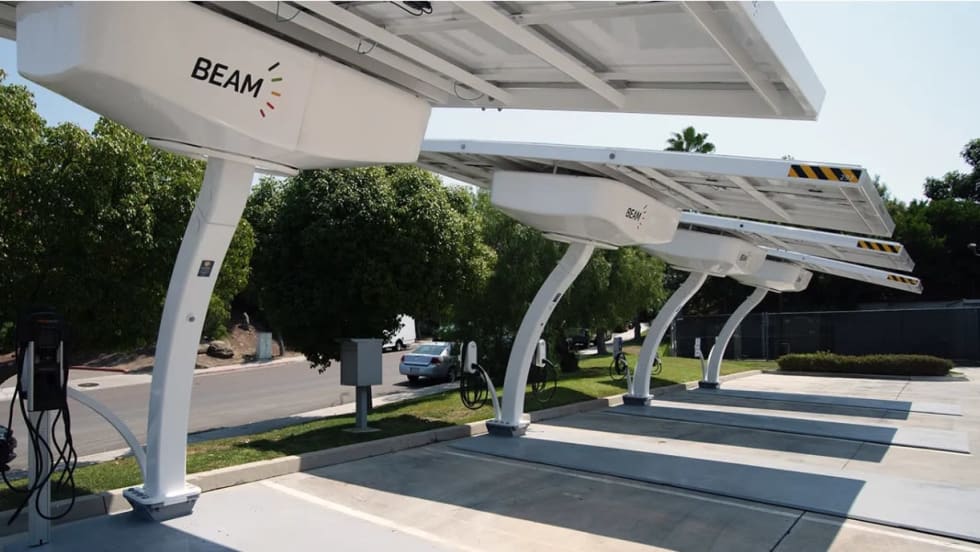
Stanislaus County Deploys Ten Beam Global EV ARC Systems to Support County Fleet Electrification
Stanislaus County deployed 10 off-grid solar-powered EV charging systems and a mobile charging trailer from Beam Global to support its electric fleet operations and emergency response flexibility.
Read More →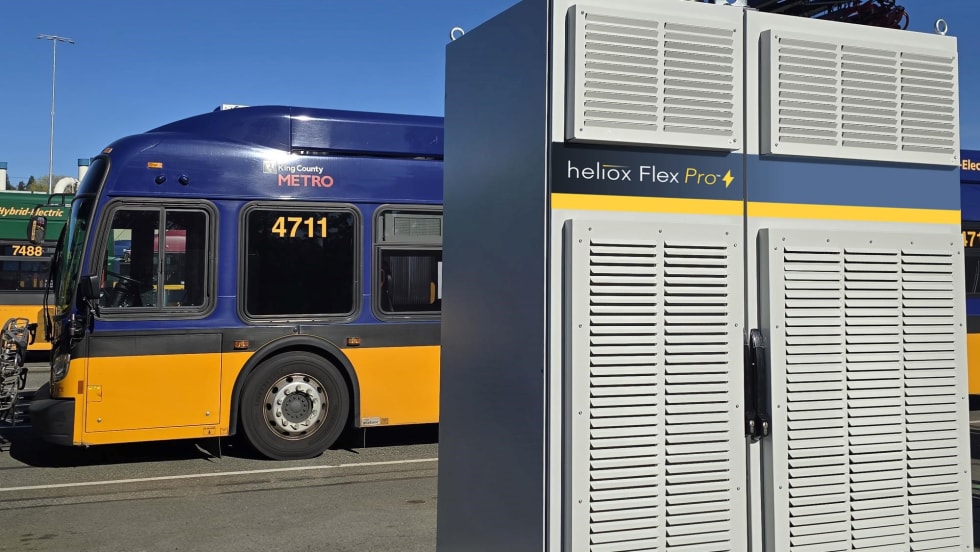
Heliox Pilots 480-kW Bus Charger with King County Metro
King County Metro is piloting Heliox’s new 480-kW Flex Pro charger to support expansion of its battery-electric bus fleet and depot charging infrastructure. The compact charging system supports pantograph and plug-in charging configurations for high-density transit operations.
Read More →