




National Park Runs Biodiesel Year-Round
Voyageurs National Park in Minnesota runs biodiesel blends of up to B-20 year-round, despite temperatures that fall to an average low of minus 7 degrees. A proper winter additive prevents problems.

Photo courtesy of REG

Photo courtesy of REG
Voyageurs National Park in Minnesota runs biodiesel blends of up to B-20 year-round, despite temperatures that fall to an average low of minus 7 degrees.
Voyageurs National Park operates pickup trucks, a large snow groomer, a dump truck, and a skid steer on biodiesel blends throughout the winter. Bill Carlson, who is responsible for the park’s fleet, equipment, campsites and trails, has run B-20 in temperatures as low as 30 degrees Fahrenheit below zero, according to a case study by Renewable Energy Group (REG), which produces biodiesel used by the park.
“You just have to make sure you have a proper winter additive, same as with petroleum diesel,” he said. “We haven’t had any issues at all.”
Carlson was warned of the opposite — that the fuel would gel, vehicles would stall, engine performance would suffer —when the park first started using biodiesel in 2000 to meet environmental goals. Instead, the park started at a B-20 blend right away and the only issue was changing filters earlier than normal at first because biodiesel was cleaning out the systems. Also, no vehicle modifications or infrastructure changes were needed.
“Our shop guys were expecting worse because you hear all the horror stories,” Carlson said. “We were also warned about a loss of power. We use a Ford F-450 to pull a 1,000-gallon sewage pumper around. We thought if anything would notice a loss in power, it’d be that. But the driver couldn’t tell any difference.”
When the weather is nicer, the park’s barge and a tourist boat also run on biodiesel blends. Voyageurs National Park is known for its water resources, with the landscape having been carved out by glaciers and now dominated by four large lakes.
The barge, powered by twin Mercury diesel engines, used to billow heavy smoke for several minutes while warming up in cooler temperatures. That’s been cut to a negligible amount with biodiesel blends.
“We were surprised,” Carlson says. “That’s good for the environment, for the crew and for park visitors.”
Protecting the environment is the top priority in every decision the park makes, according to Carlson. Biodiesel supports that, and the park doesn’t have to sacrifice performance to achieve its sustainability goals.
More Fuel

Clean Energy to Build Hydrogen Station for Orange County Transportation Authority
The new station will support the agency’s growing fleet of zero-emission hydrogen fuel cell buses.
Read More →
How Fleet Managers Reduce Fuel Waste and Protect Budgets
When fuel prices swing, fleet averages don’t tell the whole story. This white paper helps fleet and operations leaders uncover where fuel waste really hides and what data they need to build a smarter, more resilient fuel strategy.
Read More →
Planning for Future Technologies: Hydrogen and Beyond
As public agencies work to cut emissions from off-road operations, fleets are turning to a mix of renewable fuels, hybrid systems, battery-electric equipment and emerging hydrogen technology.
Read More →
RoadFlex Expands Fuel Network with Refuel Partnership
RoadFlex expands its fueling network for public sector fleets through a new partnership with Refuel, adding more than 250 locations across the Southeastern U.S. to improve access, savings, and efficiency.
Read More →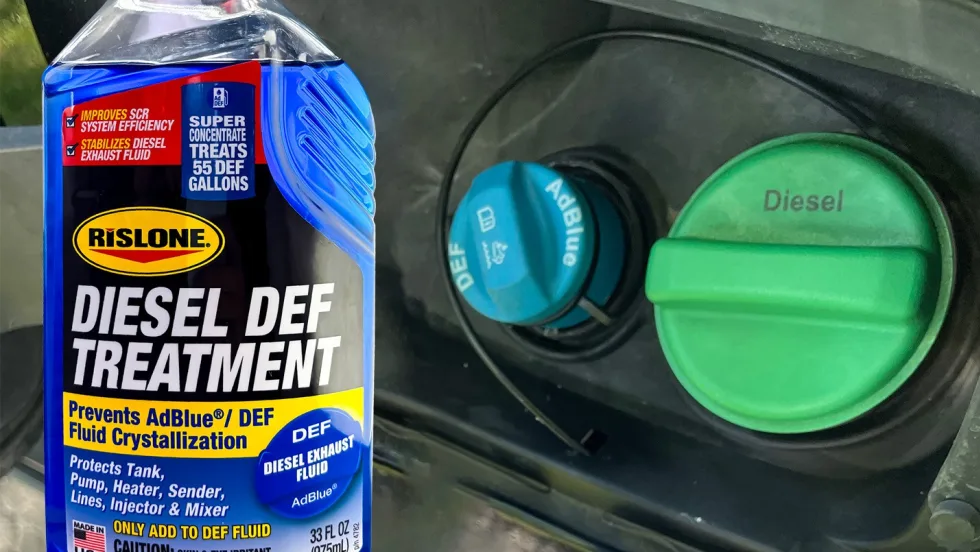
Rislone DEF Treatment Designed to Keep Diesel Exhaust Fluid Crystal-Free
Rislone is rolling out a super-concentrated version of its Diesel DEF Treatment that is designed to stabilize and improve diesel exhaust fluid.
Read More →
Are Bi-Fuel Propane Autogas Vehicles Making Law Enforcement Fleets More Resilient, Cost-Effective?
How a Florida sheriff office’s choice in fuel system led to a healthier budget, increased resiliency, and decreased emissions.
Read More →
Fleets All-In On Fuel Management Tech
Fuel management can become a tricky obstacle, but smart strategies and new tech have turned it into a well-oiled machine where price prediction is art, and cost control is science.
Read More →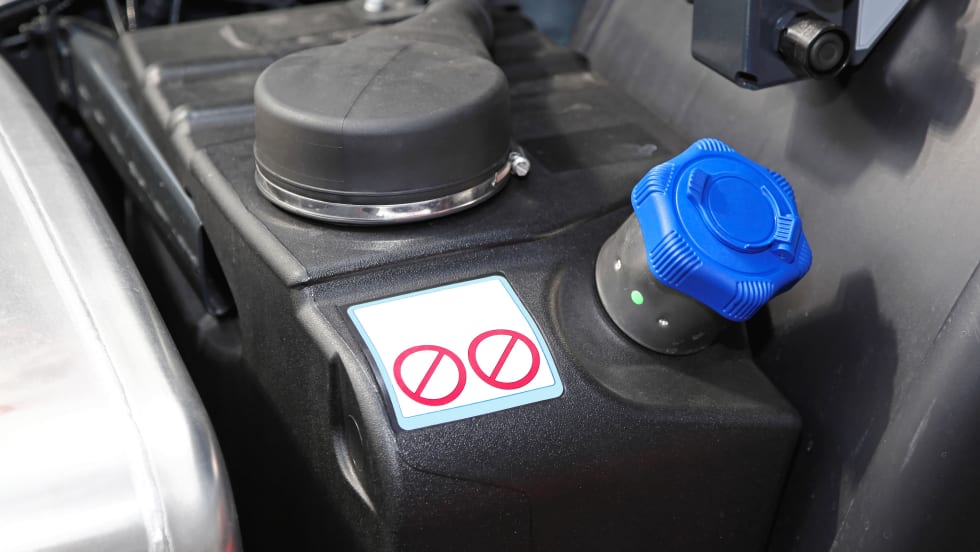
Prepare Diesel Trucks for Winter with Diesel Exhaust Fluid
Understand proper DEF purchasing, handling, and storage practices in order to meet regulatory requirements and operates at peak performance.
Read More →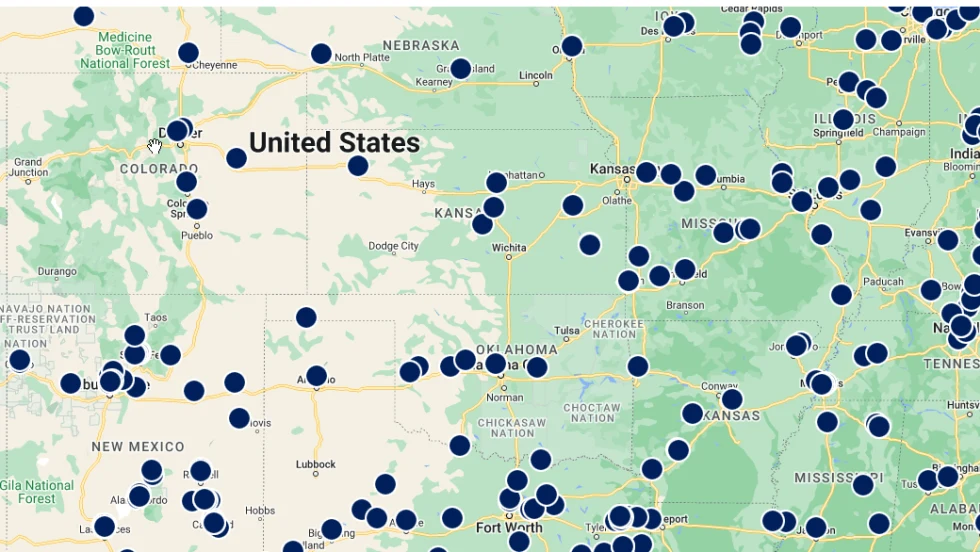
Diesel Exhaust Fluid (DEF) Locator
Yara, a diesel exhaust fluid (DEF) producer, offers a DEF locator website to help get the fluids fleets need.
Read More →
Gas vs. Diesel: The Bad Investment Only Fleet Managers Know About
A major point of debate in fleet management is using diesel vs. gas cars and trucks. Choosing to purchase gasoline engines instead of diesel ones for medium-duty trucks may be an unpopular decision, but is it the right one?
Read More →