


 MENU
MENU SEARCHMENUSEARCH
Loading data...

Since launching in 2009, the City of Columbia, S.C.'s cooking oil recycling program has collected an average of 1,000 gallons of used oil per year, which is converted to biodiesel and used to power the city fleet.
Read More →


The Pennsylvania Department of Environmental Protection (DEP) is offering $7 million in grants to commercial and government fleets to increase use of alternative fuels, the agency announced.
Read More →

A green fleet report suggested that transitioning to compressed natural gas heavy-duty vehicles could potentially save the City of Rockville, Md., 45-50% in fuel costs over diesel.
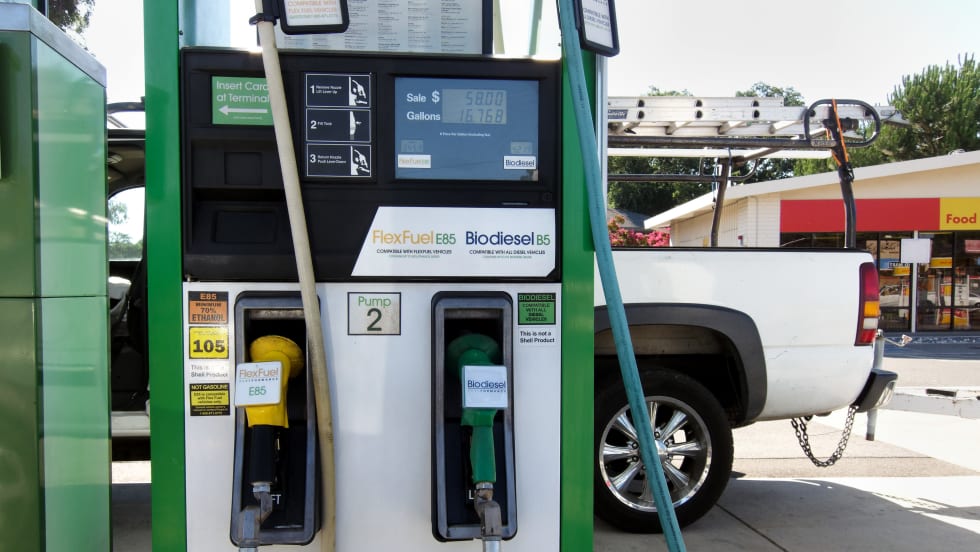
Read More →Ethanol-gasoline blends are prevalent in the United States, and fleet managers should know ethanol's effects on engines and how to use and store this fuel effectively.
Read More →Unlike gasoline, which is delivered to the city by cargo ship, E-85 is transported by rail and is less likely to be delayed during severe weather or hurricanes.
Read More →The Crown Point Police Department (Ind.) has received funding to continue using alternative fuels, including the E-85 ethanol blend.
Read More →Through its biodiesel program, the Chicago Park District recycles used cooking oil from local restaurants to fuel 56 vehicles in its fleet, including lawnmowers, refuse trucks, and log loaders.
Read More →Neste's NEXBTL renewable diesel is produced from renewable raw materials including vegetable oils and animal waste and offers a chemical composition comparable to fossil fuel, according to the company.
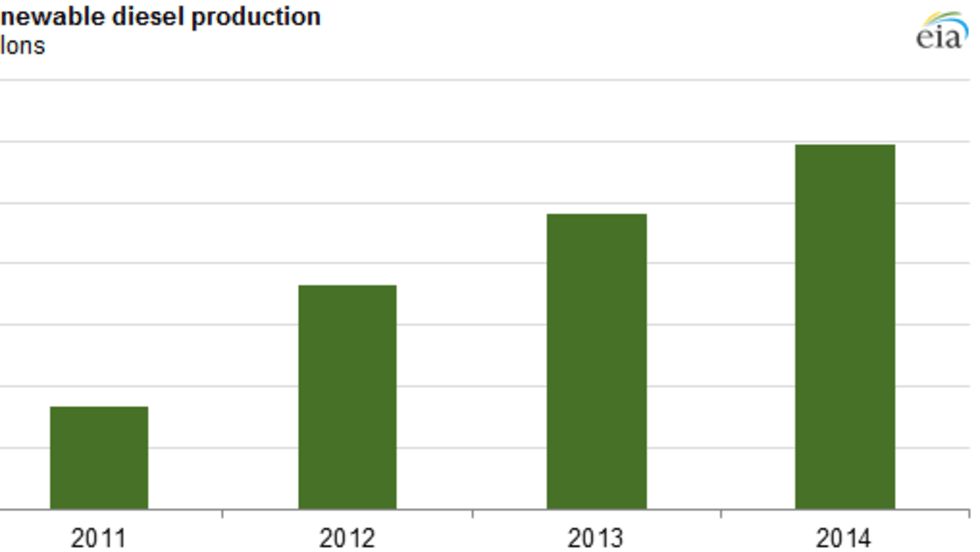
Read More →A new kind of renewable diesel fuel is gaining greater adoption because it's nearly indistinguishable from petroleum-based counterparts and offers a higher quality biofuel to meet federal mandates as well as customer demand, according to federal data.
Read More →The City of Pittsburgh is converting an additional 20 Public Works trucks to run on pure biofuel (B-100/B-99) following a successful 18-month pilot project.
Read More →