




Pittsburgh to Power Garbage Trucks with Pure Biofuel
The City of Pittsburgh is converting an additional 20 Public Works trucks to run on pure biofuel (B-100/B-99) following a successful 18-month pilot project.
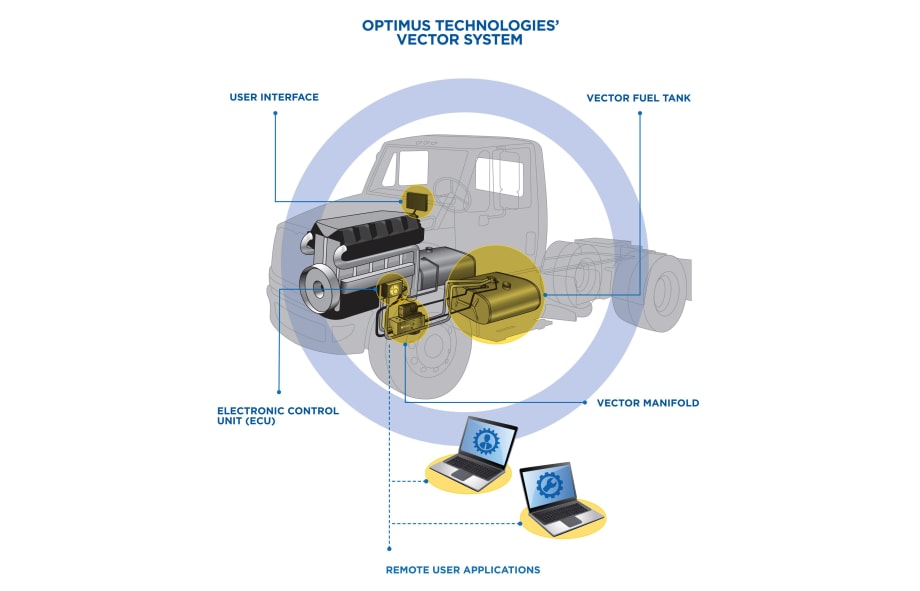
Image courtesy of Optimus
Image courtesy of Optimus
The City of Pittsburgh is converting an additional 20 Public Works trucks to run on pure biofuel (B-100/B-99) and will deploy 5,000 gallon biofuel storage/refilling station at its main garage. The conversion system and station are both provided by Pittsburgh-based Optimus Technologies.
This decision follows a successful test of Optimus’ Vector biofuel conversion system for 18 months on five of the city's International trucks. The trucks were used for road maintenance and snow-removal operations. The vehicles ran more than three-quarters of the time, even on the coldest days, on pure biodiesel.
City staff conducted an inventory of the city’s truck fleet and prioritized the vehicles, in part, by the amount of emissions they generate. They found garbage and recycling trucks are the biggest emission contributors due to their fuel consumption and their low gas mileage — both impacted by the trucks’ many stops, idling, and restarts throughout each work day.
“Our garbage and recycling trucks are driven hard every day and any solution has to be very rugged,” said Mike Gable, director of Public Works for the city. “We are pleased to see a purpose-built solution for medium- and heavy-duty trucks that, relative to other alternative fuel solutions, is easy to add to our trucks, minimizes changes to our maintenance operations, and minimizes any changes our fueling infrastructure.”
The Optimus Vector system is an EPA-approved, bi-fuel (diesel/biofuel) conversion system that runs parallel to a truck’s existing diesel system — without significantly modifying, replacing, or rebuilding the engine. The Vector enables the engine to run exclusively on biofuel most of the time, while using diesel during startup, shutdown, or fallback operation, if necessary.
To manage fueling operations, the city is adding additional refueling facilities at a garage to include a dedicated pure biofuel station, which can support more than 100 trucks. During cold weather, a multi-stage holding tank heats only the volume of fuel that will be dispensed in the near-term, which reduces overall biofuel heating demands by an expected 70%.
The company says its solution reduces lifecycle emissions by more than 80% and fuel costs up to 25%. The conversions help the city meet its goals outlined in its Pittsburgh Climate Action Plan version 2.0, which aims to reduce overall greenhouse gases generated by the city by 20% between 2003 and 2023.
The Vector system is compatible with all modern emission after-treatment systems such as selective catalytic reduction systems (SCRs) and diesel particulate filters (DPF). Vector is now compatible with a variety of diesel engines, including the Navistar DT 466 and HT 570, and the Cummins ISL 8.9L and ISM 10.8L.
The city will offset the costs of the new solution with grant funding.
More Green Fleet
Sustainability Partners, Energy Systems Group Help Albuquerque Close the Gap on its 100% Renewable Energy Goal
The eight-site, 6 MW solar project has advanced the city toward 100% renewable energy for municipal operations.
Read More →
Port Authority and CALSTART Launch $45 Million Electric Truck and Charging Programs
The programs aim to boost sustainable operations across the East Coast's busiest seaport.
Read More →
Moving Government Fleets Beyond the Vehicle Purchase: EV as a Service
A discussion on how EVaaS is moving beyond pilot programs and what fleets should consider before beginning a larger deployment.
Read More →
Moving Government Fleets Beyond the Vehicle Purchase: EV as a Service
As fleets move beyond small EV pilots, Sustainability Partners CEO Adam Cain explains how EVaaS can address the infrastructure and long-term planning required for larger deployments.
Read More →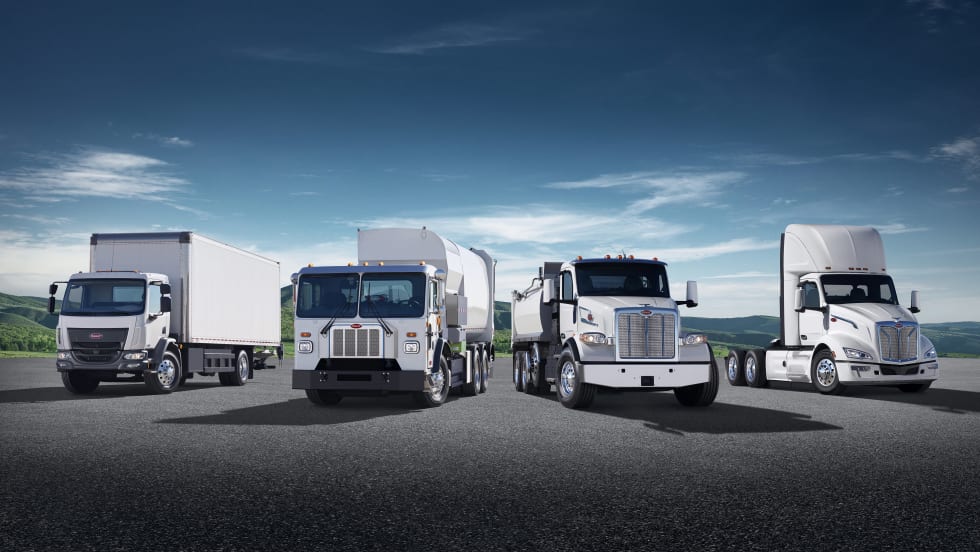
Peterbilt Expands Sourcewell Partnership with Electric Vehicle Lineup
The agreement aims to provide streamlined procurement of Peterbilt trucks for government, education, nonprofit and tribal organizations across the United States and Canada.
Read More →
EV Adoption & Charging Challenges
Where is your fleet in the journey of vehicle electrification? If you're still looking for answers to fleet electrification you've come to the right place.
Read More →
Hawaii Passes Clean Fuel Policy
Hawaii lawmakers passed clean fuel legislation that could support renewable natural gas production, biogas-powered transportation, and lower-carbon fueling options for public and commercial fleets.
Read More →
Stanislaus County Deploys Ten Beam Global EV ARC Systems to Support County Fleet Electrification
Stanislaus County deployed 10 off-grid solar-powered EV charging systems and a mobile charging trailer from Beam Global to support its electric fleet operations and emergency response flexibility.
Read More →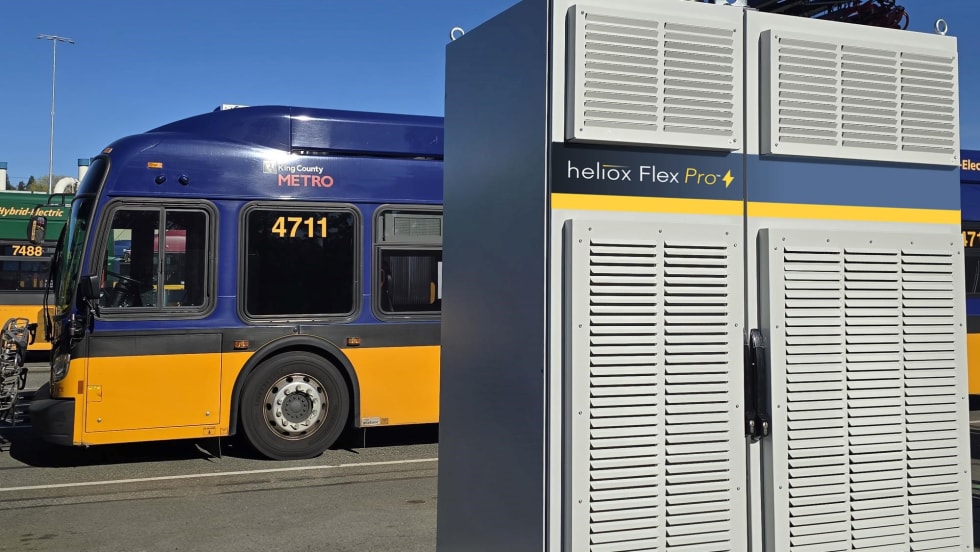
Heliox Pilots 480-kW Bus Charger with King County Metro
King County Metro is piloting Heliox’s new 480-kW Flex Pro charger to support expansion of its battery-electric bus fleet and depot charging infrastructure. The compact charging system supports pantograph and plug-in charging configurations for high-density transit operations.
Read More →