




Optimus Technologies Receives EPA Approval for Biofuel Conversions
Optimus Technologies announced that it is the first to receive U.S. Environmental Protection Agency approval for a biofuel conversion solution for existing medium- and heavy-duty trucks.
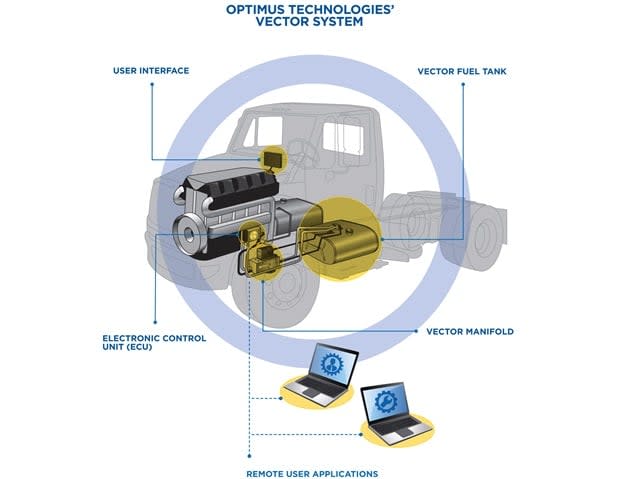
Optimus Technologies announced that it is the first to receive U.S. Environmental Protection Agency approval for an advanced biofuel conversion solution for existing medium- and heavy-duty trucks. Additionally, the company added that while it is approved for a wide range of fuel types, it is also the first to achieve compliance for use with pure biofuel derived from recycled cooking oil. Optimus Technologies estimates that the solution reduces fleet fuel costs up to 25% and reduces lifecycle emissions up to 80% without the prohibitive start-up costs of compressed natural gas (CNG).
The solution is based on a combination of Optimus’ Vector bi-fuel (diesel or biofuel) conversion system — hardware and software that bolts on to existing diesel engines — and certified, pure biofuel. Fuels tested were derived from a variety of bio-sources including non-food grade corn oil, recycled cooking oil, and pure biodiesel (B-100). While Optimus may be first to the U.S. market, such solutions have been available in Europe for more than a decade, the company stated.
“We’re very excited that the EPA has approved our technology,” said CEO Colin Huwyler, “Our solution represents a tangible opportunity for fleets to shrink their operating costs while improving the environment. And, our solution does not require multi-million dollar start-up costs like CNG does.”
Optimus’ solution can leverage current facilities with only minor modifications, offering paybacks as little as one year, according to the company.
Optimus currently works with a network of advanced biofuel suppliers whose fuel meets the Optimus standard.
Emissions tests conducted for Optimus’ approval in May were performed and validated by the West Virginia University Center for Alternative Fuels, Engines, and Emissions. The results showed a significant overall reduction in tailpipe emissions in comparison to diesel. Specifically, particulate matter was reduced by about 40%. Further, nitrogen oxide (NOx) emissions were reduced with all fuels tested, including when used with B-100. The Vector system was approved for use on Navistar DT466 engines between the model years 2004 and 2006. Field trials and certification tests on other engines are currently underway.
More Green Fleet
Sustainability Partners, Energy Systems Group Help Albuquerque Close the Gap on its 100% Renewable Energy Goal
The eight-site, 6 MW solar project has advanced the city toward 100% renewable energy for municipal operations.
Read More →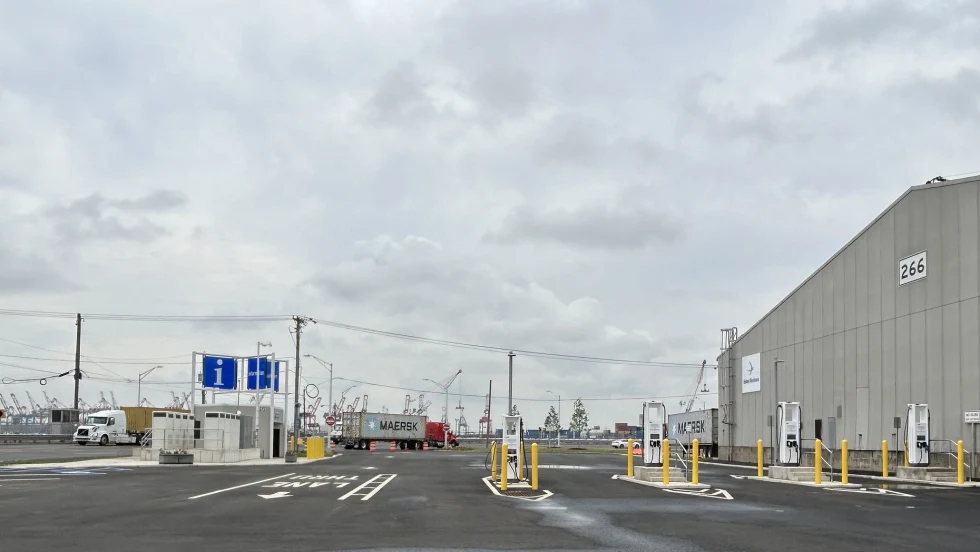
Port Authority and CALSTART Launch $45 Million Electric Truck and Charging Programs
The programs aim to boost sustainable operations across the East Coast's busiest seaport.
Read More →
Moving Government Fleets Beyond the Vehicle Purchase: EV as a Service
A discussion on how EVaaS is moving beyond pilot programs and what fleets should consider before beginning a larger deployment.
Read More →
Moving Government Fleets Beyond the Vehicle Purchase: EV as a Service
As fleets move beyond small EV pilots, Sustainability Partners CEO Adam Cain explains how EVaaS can address the infrastructure and long-term planning required for larger deployments.
Read More →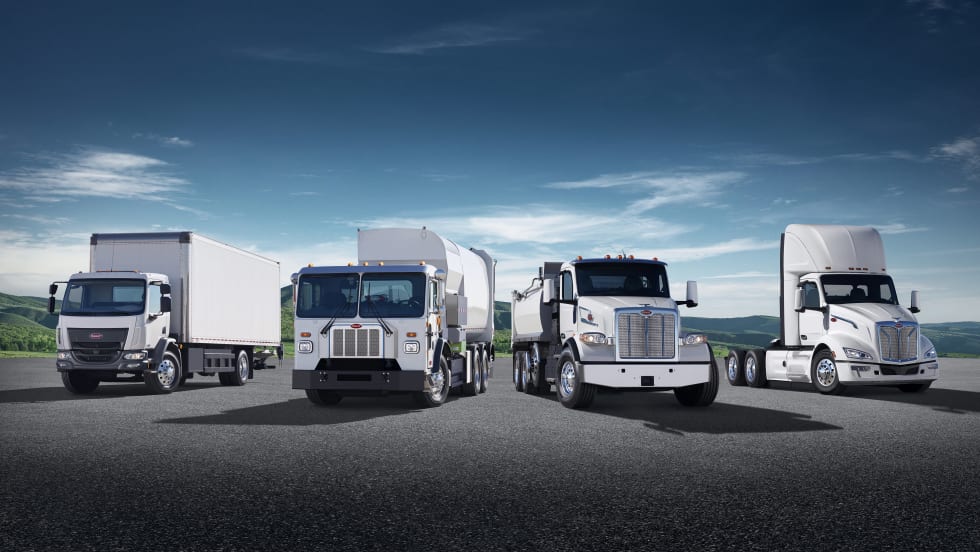
Peterbilt Expands Sourcewell Partnership with Electric Vehicle Lineup
The agreement aims to provide streamlined procurement of Peterbilt trucks for government, education, nonprofit and tribal organizations across the United States and Canada.
Read More →
EV Adoption & Charging Challenges
Where is your fleet in the journey of vehicle electrification? If you're still looking for answers to fleet electrification you've come to the right place.
Read More →
Hawaii Passes Clean Fuel Policy
Hawaii lawmakers passed clean fuel legislation that could support renewable natural gas production, biogas-powered transportation, and lower-carbon fueling options for public and commercial fleets.
Read More →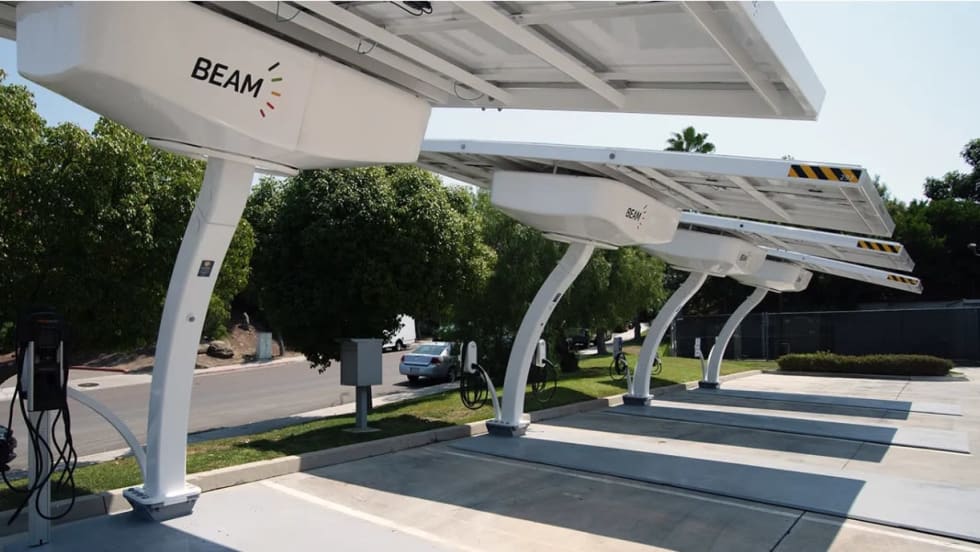
Stanislaus County Deploys Ten Beam Global EV ARC Systems to Support County Fleet Electrification
Stanislaus County deployed 10 off-grid solar-powered EV charging systems and a mobile charging trailer from Beam Global to support its electric fleet operations and emergency response flexibility.
Read More →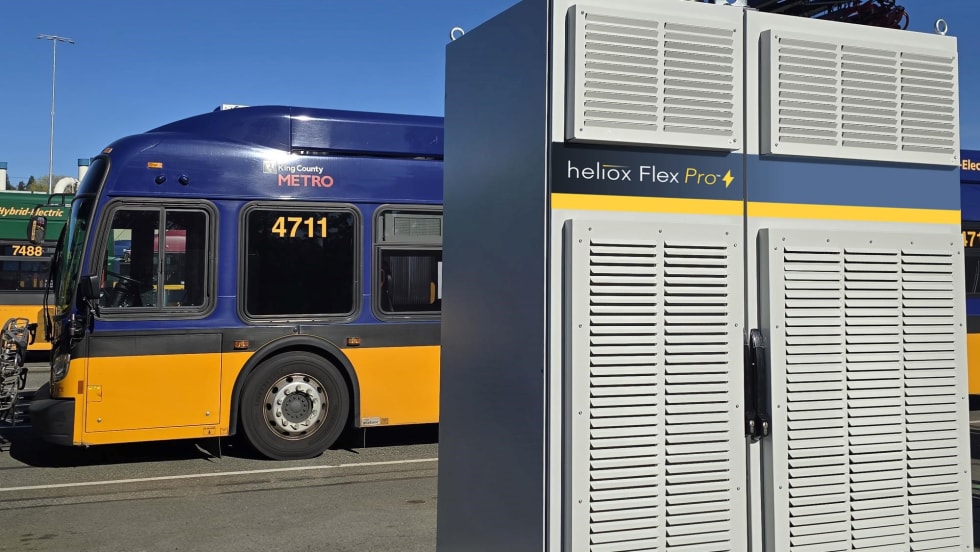
Heliox Pilots 480-kW Bus Charger with King County Metro
King County Metro is piloting Heliox’s new 480-kW Flex Pro charger to support expansion of its battery-electric bus fleet and depot charging infrastructure. The compact charging system supports pantograph and plug-in charging configurations for high-density transit operations.
Read More →