




Similar Content: Soybean Farmers Help City of Madison Grow a Sustainable Fleet
Wisconsin City Uses B-100 Biodiesel
The City of Madison, Wisconsin, has converted 17 of its fleet vehicles to operate on 100% biodiesel.
by Staff
March 14, 2022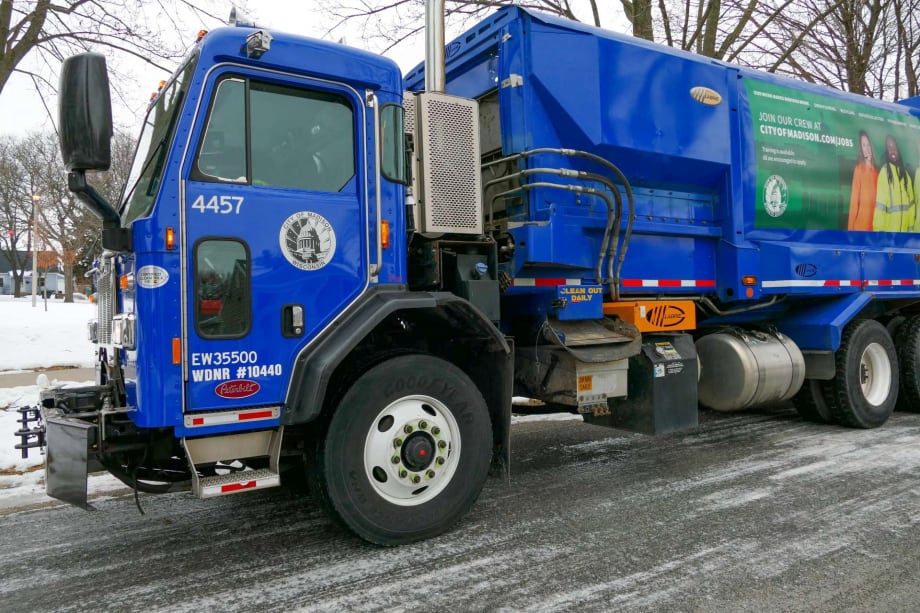
The vehicles converted to run on B-100 include 12 garbage trucks like this one.
Photo: Optimus Technologies
3 min to read
The City of Madison, Wisconsin, will soon be seeing emissions reductions after converting 17 of its fleet vehicles to operate on 100% biodiesel, thanks to their partnership with Optimus Technologies and Renewable Energy Group.
Biodiesel is a cleaner alternative to petroleum diesel that is a sustainable solution for fleets. Over the lifecycle of the fuel, biodiesel can reduce greenhouse gas emissions by up to 86% when compared with petroleum diesel, according to a release from Optimus. Utilizing Optimus Technologies’ proprietary Vector System, a vehicle add-on that works in conjunction with the conventional diesel components, fleets can operate on B-100 year-round.
“Optimus’ Vector System is in use in cities across the U.S. like Washington, D.C., and the City of Chicago where we’re eliminating carbon emissions from critical public services such as refuse collection and snow removal,” said Colin Huwyler, CEO of Optimus Technologies. “These applications require severe-duty trucks with the ability to perform in the harshest conditions without compromising reliability or performance. While others sit idly by and wait for electrification solutions that are decades away, we’re incredibly excited to add the City of Madison to the growing list of leading cities that have made the decision to deploy 100% biodiesel to accelerate their decarbonization objectives.”
The City of Madison has set a goal of reaching 100% renewable energy and zero net carbon emissions for all city operations by 2030. The City of Madison is believed to be the only city in America that has achieved LEED Gold status for environmental sustainability with its fleet garage. The city has also already launched an integrated energy management approach to reduce its emissions, which includes use of biodiesel, propane, solar, renewable natural gas, and electric vehicle technology. While all are proving to be viable solutions, B-100 technology is a 100% renewable solution that is available now and doesn’t require purchasing costly new vehicles.
“The City of Madison looks forward to turbocharging our carbon emission reductions in 2022 with the B-100 pilot, drawing on support from REG, Optimus Technologies, Clean Fuels Alliance America, and the Wisconsin Soybean Marketing Board,” said Mahanth Joishy, superintendent, City of Madison Fleet. “The icing on this cake is that all renewable source materials of the biodiesel we purchase are from Wisconsin, and all of it is processed by REG right here in our own Dane County. We are buying a perfect blend of economy plus environment to power the state capital for years to come.”
The 17 City of Madison vehicles were installed with the Vector System at the end of February and will begin operating on B-100 in the coming weeks. The vehicles that were converted include three dump trucks, 12 garbage trucks, one loader, and one wood grinder.
More Green Fleet
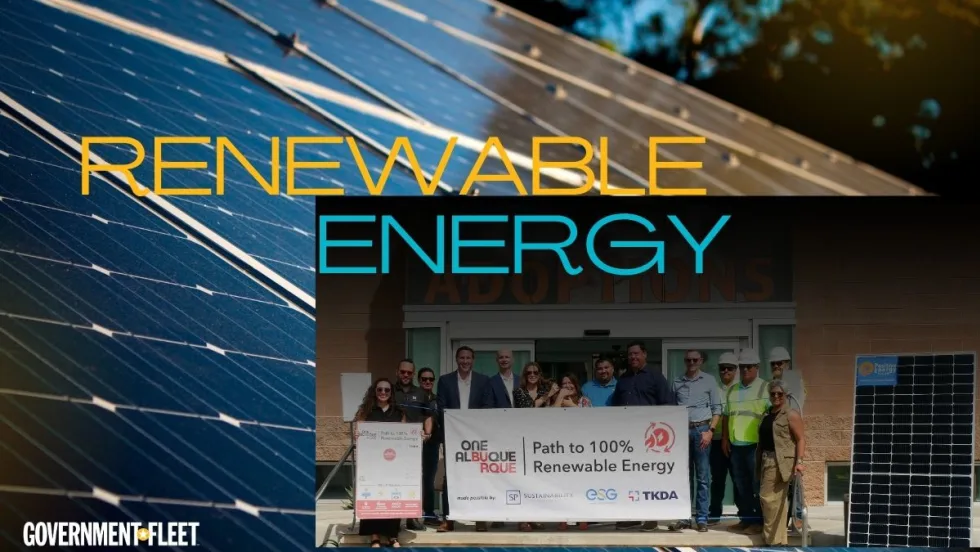
Sustainability Partners, Energy Systems Group Help Albuquerque Close the Gap on its 100% Renewable Energy Goal
The eight-site, 6 MW solar project has advanced the city toward 100% renewable energy for municipal operations.
Read More →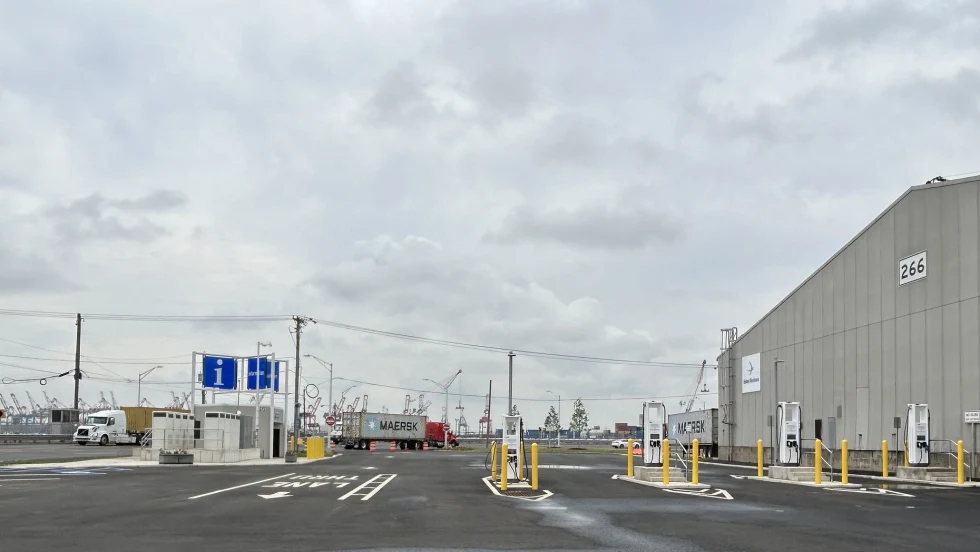
Port Authority and CALSTART Launch $45 Million Electric Truck and Charging Programs
The programs aim to boost sustainable operations across the East Coast's busiest seaport.
Read More →
Moving Government Fleets Beyond the Vehicle Purchase: EV as a Service
A discussion on how EVaaS is moving beyond pilot programs and what fleets should consider before beginning a larger deployment.
Read More →
Moving Government Fleets Beyond the Vehicle Purchase: EV as a Service
As fleets move beyond small EV pilots, Sustainability Partners CEO Adam Cain explains how EVaaS can address the infrastructure and long-term planning required for larger deployments.
Read More →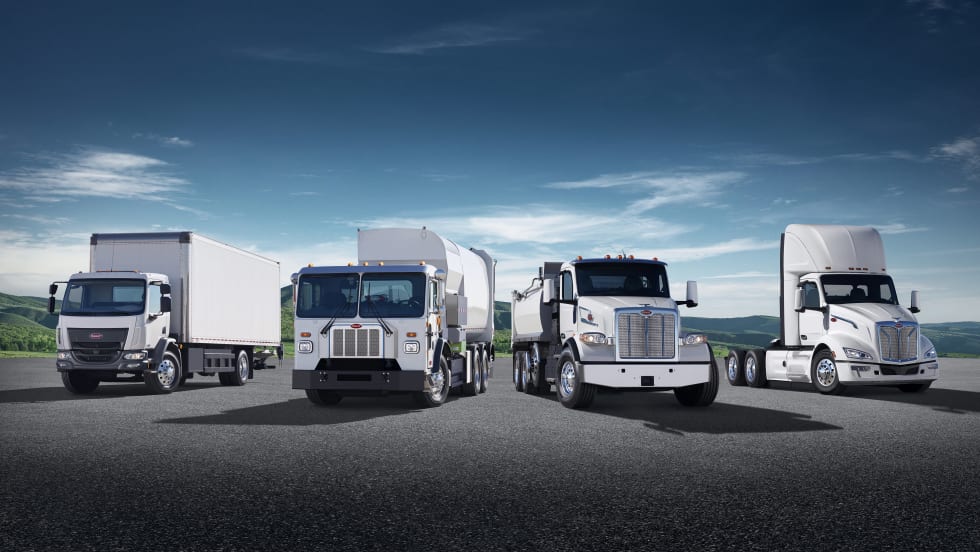
Peterbilt Expands Sourcewell Partnership with Electric Vehicle Lineup
The agreement aims to provide streamlined procurement of Peterbilt trucks for government, education, nonprofit and tribal organizations across the United States and Canada.
Read More →
EV Adoption & Charging Challenges
Where is your fleet in the journey of vehicle electrification? If you're still looking for answers to fleet electrification you've come to the right place.
Read More →
Hawaii Passes Clean Fuel Policy
Hawaii lawmakers passed clean fuel legislation that could support renewable natural gas production, biogas-powered transportation, and lower-carbon fueling options for public and commercial fleets.
Read More →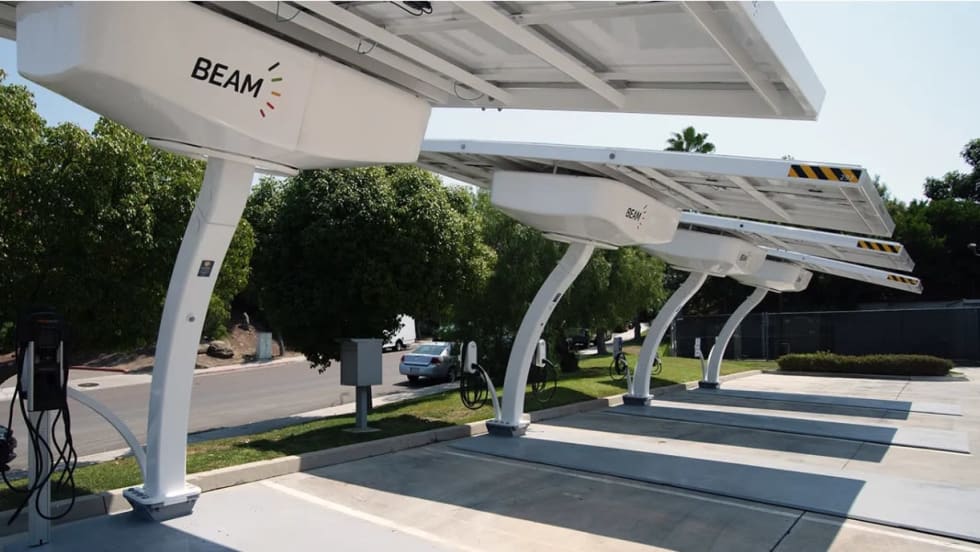
Stanislaus County Deploys Ten Beam Global EV ARC Systems to Support County Fleet Electrification
Stanislaus County deployed 10 off-grid solar-powered EV charging systems and a mobile charging trailer from Beam Global to support its electric fleet operations and emergency response flexibility.
Read More →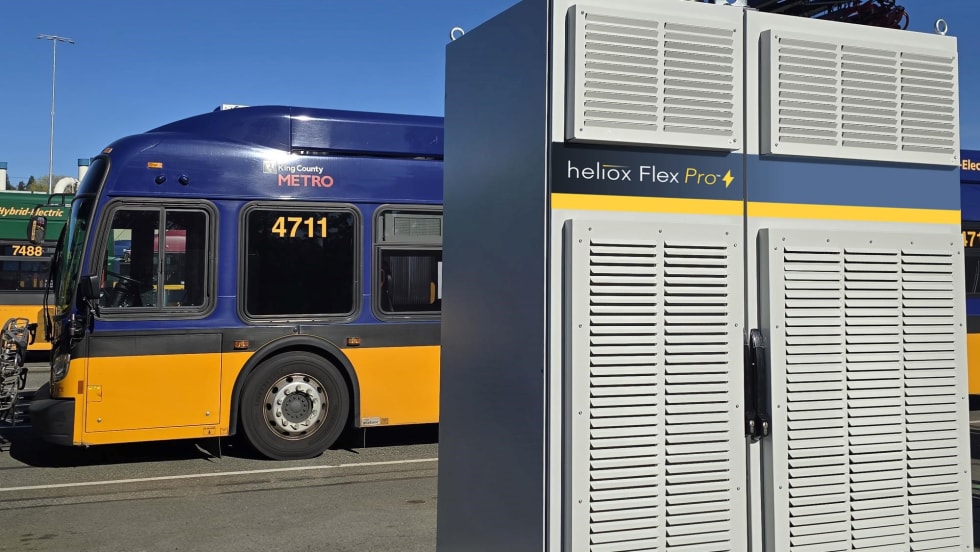
Heliox Pilots 480-kW Bus Charger with King County Metro
King County Metro is piloting Heliox’s new 480-kW Flex Pro charger to support expansion of its battery-electric bus fleet and depot charging infrastructure. The compact charging system supports pantograph and plug-in charging configurations for high-density transit operations.
Read More →