




Related: Justifying Your Agency’s Acquisition of Armored Vehicles
White House to Reinstate Military Surplus Program for Police
The U.S. Department of Defense will reinstate the 1033 program, which allows the military to transfer surplus weapons, vehicles, and equipment to state and local law enforcement agencies.
by Staff
August 28, 2017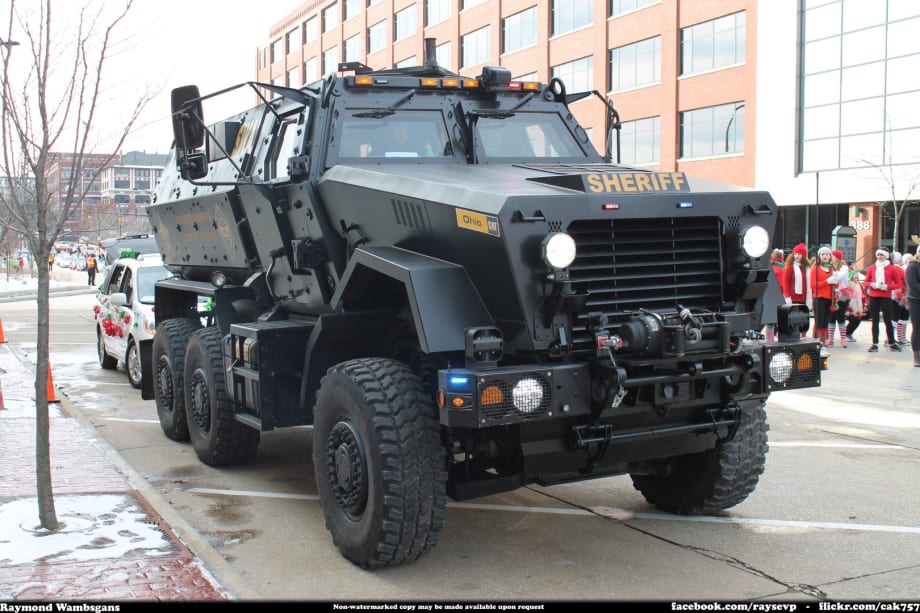
Photo via Flickr/Raymond Wambsgans.
2 min to read
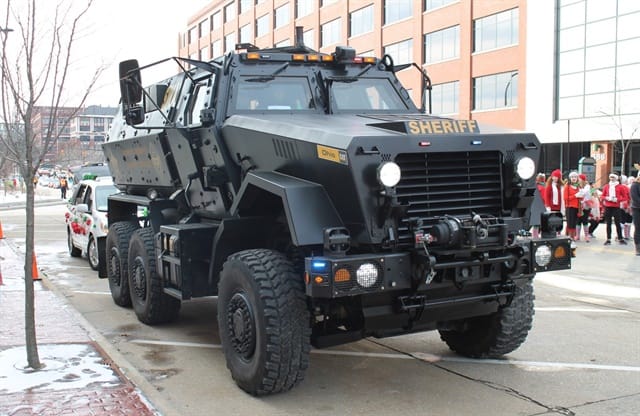
Photo via Flickr/Raymond Wambsgans.
The U.S. Department of Defense will reinstate the 1033 program, which allows the military to transfer surplus weapons, vehicles, and equipment to state and local law enforcement agencies. Attorney General Jeff Sessions announced the decision during his keynote address at the Fraternal Order of Police (FOP) Biennial Conference in Nashville. The Washington Post reported that President Trump will sign an executive order formalizing the move.
Then-President Obama restricted the program in 2015 as part of an effort to reduce tensions between law enforcement agencies and minority communities following the protests and police response in Ferguson, Mo., in 2014. Prohibited equipment includes grenade launchers; weaponized vehicles, vessels and aircraft; bayonets; firearms of .50 caliber or higher; ammo of .50 caliber or higher; camouflage uniforms and tracked armored vehicles.
In a statement, FOP National President Chuck Canterbury applauded the decision, which the organization has worked to overturn since the initial restrictions were placed.
“We are always pleased with Attorney General Sessions, but for him and this administration to choose our Biennial Conference to announce this critical police change — something that I personally spoke to the President about — demonstrates how much respect he and his Attorney General have for our members and all the men and women in law enforcement,” Canterbury said.
The American Civil Liberties Union disagreed with the decision, citing the police crackdown in Ferguson three years ago that influenced Obama’s executive order.
“Today’s executive order erases the sensible limits placed by the Obama administration after Ferguson on the kinds of military equipment flowing from the federal government to local police and into our neighborhoods," according to the ACLU statement. "Tensions between law enforcement and communities remain high, yet the president and the attorney general are giving the police military-grade weaponry instead of practical, effective ways to protect and serve everyone.”
More Police
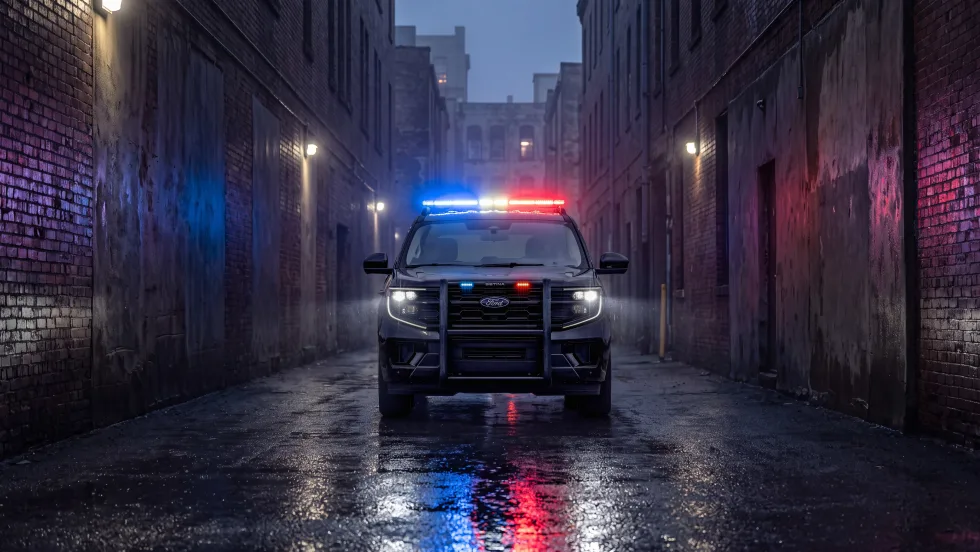
Ford Pro Introduces Full-Size 2028 Expedition Police Responder
Ford Pro gave law enforcement customers a first look at the pursuit-rated utility during Police Fleet Expo.
Read More →
Paterson Police Expand Drone Fleet, Launch Real-Time Operations Center
The Paterson Police Department has expanded its drone program and opened a new Real-Time Operations Center designed to support emergency response and incident management. The initiative integrates multiple technologies to provide officers with real-time information during investigations and public safety operations.
Read More →
Why Public Fleet Success Depends on More Than the Vehicles
Tim Coxwell of the Leon County Sheriff’s Office discusses the projects shaping his fleet operation, including long-term work around vehicle selection, greenhouse gas emissions, and cost per mile.
Read More →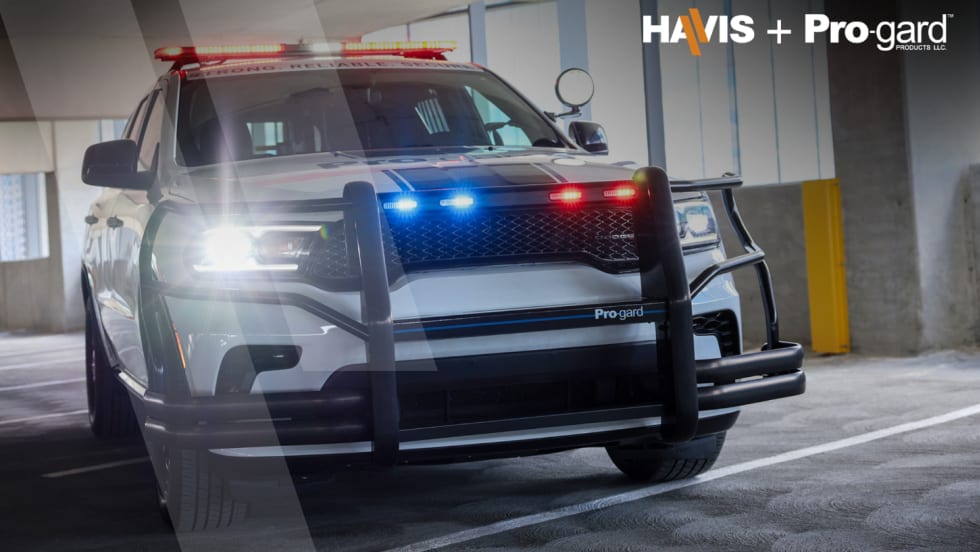
Havis Acquires Pro-gard Products
The acquisition brings together two manufacturers of public safety vehicle equipment under one company. Havis says the move expands its portfolio of products for outfitting law enforcement vehicles and other public safety fleets.
Read More →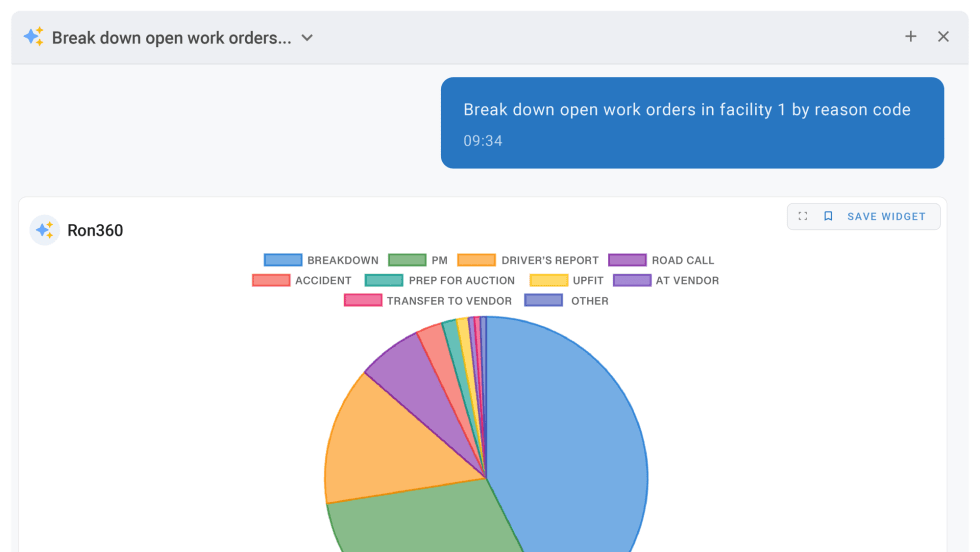
RTA Fleet Introduces AI Assistant for Fleet360 Platform
As artificial intelligence continues to gain traction across public-sector operations, fleet software providers are finding new ways to incorporate the technology into everyday workflows. RTA's latest addition aims to simplify how users interact with fleet data.
Read More →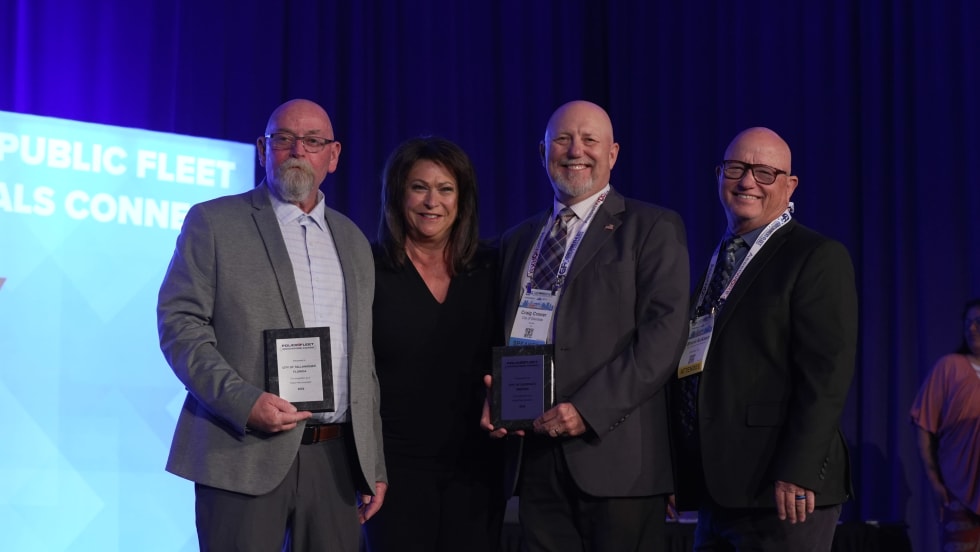
2026 Police Fleet Innovators Named
Meet the professionals finding new ways to solve some of law enforcement's toughest fleet challenges.
Read More →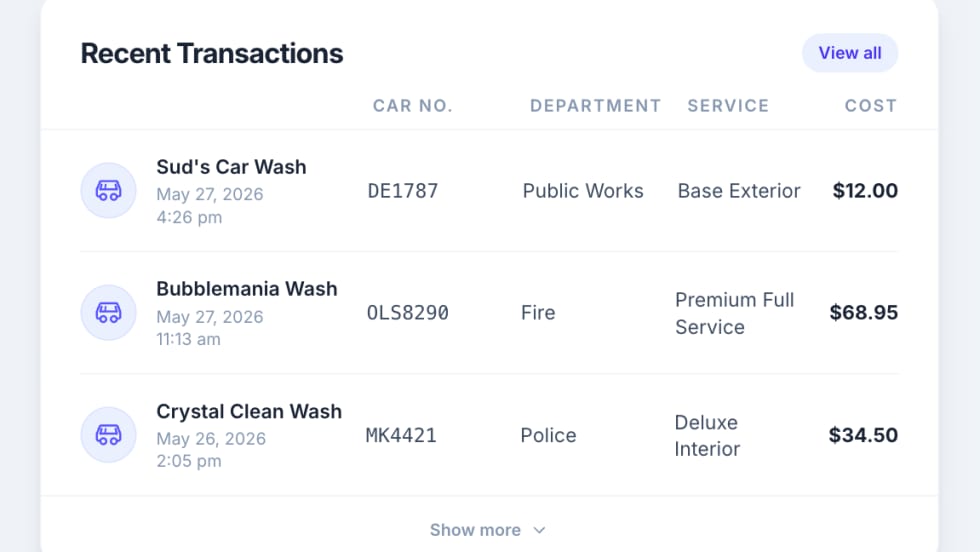
Rynse Expands Nationwide Fleet Wash Access for Law Enforcement
The North Carolina Sheriff’s Association Contract Cooperative purchasing contract aims to streamline procurement process for law enforcement agencies across the U.S.
Read More →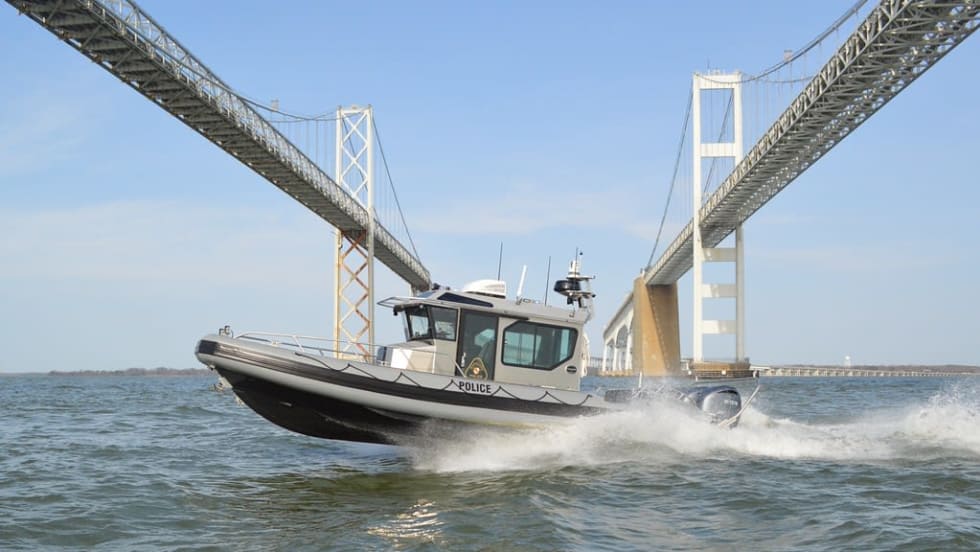
Maryland Natural Resources Police Adds 31-Foot Patrol Boat to Enforcement Fleet
A new addition to Maryland’s marine enforcement fleet is bringing expanded capabilities to Chesapeake Bay operations while honoring a legacy within the agency. The high-performance patrol vessel reflects how law enforcement fleets are adapting to growing demands on the water.
Read More →
LEHR Expands Florida Presence With Enforcement One Acquisition
LEHR has acquired Florida-based emergency vehicle upfitter Enforcement One, marking its eighth add-on acquisition.
Read More →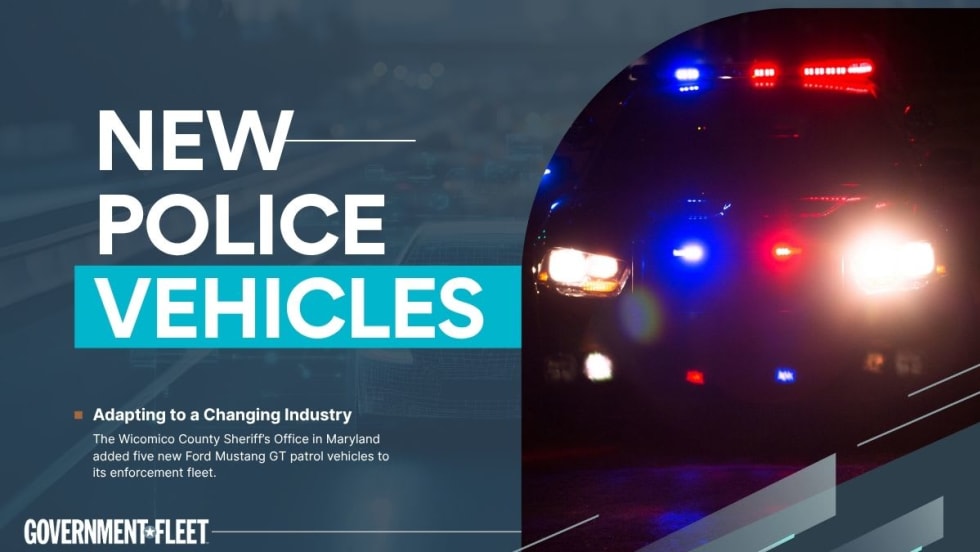
Maryland’s Wicomico County Sheriff Adds Mustang GT Patrol Vehicles
The agency is also working with the Maryland Police Training Commission on a specialized high-performance driving course for deputies assigned to the vehicles.
Read More →