




Whisenhunt Appointed to Board of Directors of the Georgia Regional Transportation Authority
ATLANTA – Livia Whisenhunt, president and CEO of PS Energy Group, Inc., was appointed by Georgia Governor Sonny Perdue to the Board of Directors of the Georgia Regional Transportation Authority (GRTA).
ATLANTA – Livia Whisenhunt, president and CEO of PS Energy Group, Inc., was appointed by Georgia Governor Sonny Perdue to the Board of Directors of the Georgia Regional Transportation Authority (GRTA). Whisenhunt succeeds Richard Tucker on the GRTA Board. Her term of office began June 6, 2005, and will end June 1, 2009. Formed in 1999, GRTA’s mission is to improve Georgia’s mobility, air quality, and land use practices. This is accomplished through cooperative ventures with local, state, federal, and private partners linking land use regulations and planning agencies and transportation agencies. PS Energy Group, Inc. is an Atlanta-based energy marketing and fleet services company specializing in providing value-added companion services for automated vehicle tracking, inventory management, and fuel management since 1985. PS Energy markets nationally to small- to mid-size, service-based businesses, utilities, local/state/federal agencies, and private industry. Whisenhunt’s previous appointments were in 1996, when she was appointed by the lieutenant governor of the State of Georgia to the House Competitive Natural Gas Service Study Committee, which was established to study and make recommendations regarding the deregulation of the natural gas distribution system in the state. And in July 1999, when she was appointed to serve as the Southeastern Region chairperson to the Federal Regulatory Fairness Board (REGFAIR), a board established by Congress and the President, under the Small Business Regulatory Enforcement Fairness Act of 1996, to represent small businesses and comment on the enforcement activities of federal regulatory agencies.
More Operations

What Government Fleets Are Missing About Their True Costs
What are fleet budgets missing, and how can agencies use the data they already collect to make a stronger case for change?
Read More →
Rethinking Fleet Decisions From the Budget Office to the Shop
This October we looked back at how public fleets are reconsidering familiar processes and using what they learn to make better decisions.
Read More →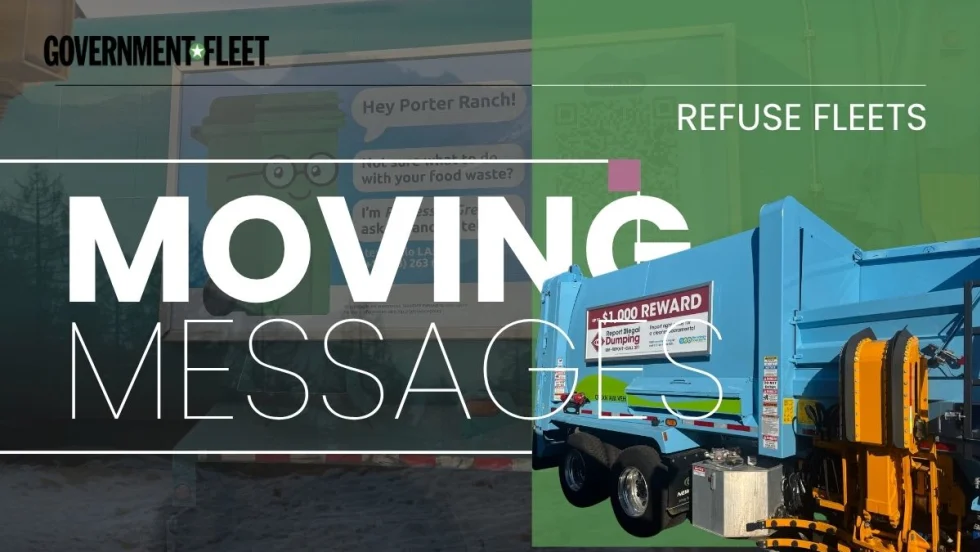
Who Owns the Message on a Refuse Truck?
Refuse trucks can carry public messages into neighborhoods, but keeping those messages current takes planning and clear responsibility.
Read More →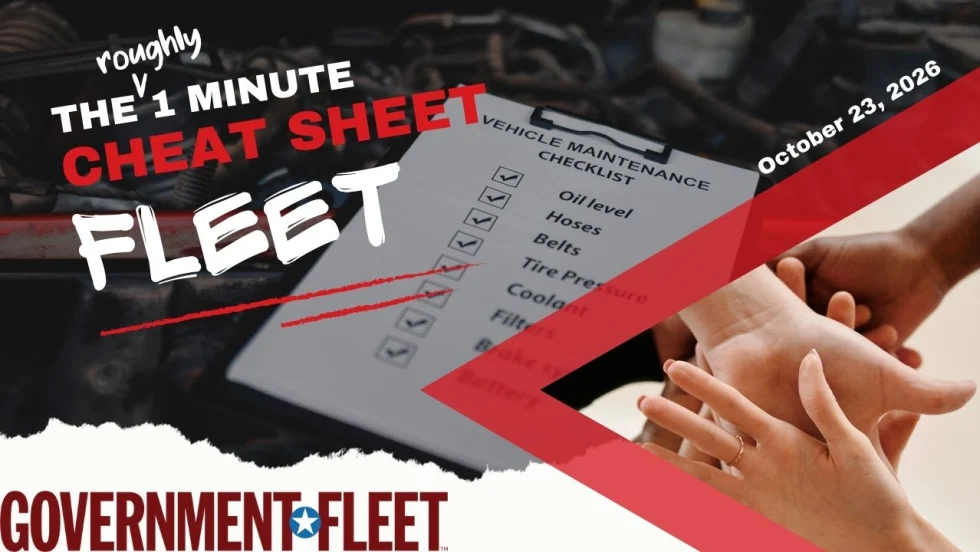
Who Deserves Fleet Recognition and What Could You Teach at GFX?
Who helped shape your fleet career, and what have you learned that could help someone else?
Read More →
What’s Haunting Public Sector Fleets?
Public sector fleet challenges rarely happen in isolation, and addressing one often means understanding how it connects to another.
Read More →
Is Keeping Older Fleet Vehicles Really Saving Money?
Is keeping vehicles longer saving money, and what happens when a diagnostic test points to the wrong fix?
Read More →
How Smart Fleet Strategy Can Help Local Government Agencies Do More with Less
Keeping a vehicle longer may ease this year’s budget, but what does it cost the next one? A closer look at fleet decisions can reveal opportunities to reduce spending while protecting essential services.
Read More →
Connect with Government Fleet on LinkedIn
From industry news and fleet management strategies to conversations with peers, Government Fleet's LinkedIn page offers public-sector fleet professionals another way to stay informed and connected.
Read More →
Town of Queen Creek Named Most Successful Fleet Award Winner of Inaugural RTA Fleet Success Awards
Five fleets were honored at RTA Connect 2026 in Chicago for excellence across resource efficiency, intentional culture, risk management, and stakeholder satisfaction.
Read More →
A buyer's guide to fleet management software in 2027
Buying fleet management software in 2027 means looking beyond features and price. As fleet operations, technology and expectations evolve, this guide explores what today’s fleet professionals should consider when choosing a system that can deliver value now and adapt to what comes next.
Read More →