




Washington County Officials Say Take-Home Vehicle Policy Isn’t Wasteful
HAGERSTOWN, MD – As gas prices continue to climb, prompting some to question the value of giving take-home vehicles to government employees, Washington County officials defended the practice saying it is not the money-waster that some people think it is.
HAGERSTOWN, MD – As gas prices continue to climb, prompting some to question the value of giving take-home vehicles to government employees, Washington County officials defended the practice, saying it is not the money-waster that some people think it is, according to the Hagerstown Morning Herald.
In the past six months, elected officials in Howard and Allegany counties in Maryland have ordered reviews of policies that allow government employees to have a paid car, truck, SUV.
Recently, Hagerstown City Councilwoman Kelly Cromer said the city should limit the number of take-home vehicles it provides to its employees. The council will discuss the cost of the city’s program during Tuesday’s work session.
The Washington County Commissioners, however, said they do not think the county’s policy needs to be changed.
Documents provided to The Herald-Mail show that 126 Washington County employees are assigned take-home vehicles. Of those, 79 are members of the Washington County Sheriff’s Department. Some employees of the Highway, Permits and Inspections, Water Quality and Engineering departments also have take-home vehicles, as do several department heads. Of the 47 nonpolice take-home vehicles, 26 are pickup trucks, 14 are SUVs, four are vans, and three are cars. Eleven Highway Department employees, including Plank, have county-issued, full-size 4X4 pickup trucks.
According to a written policy governing the use of vehicles and equipment, the county offers take-home vehicles to some employees “for the benefit of the county so that an employee can perform his or her job more efficiently.” The policy prohibits county employees from using the vehicles for personal use “except for commuting and circumstances approved by the employee’s department head.”
In fiscal 2007, the most recent year for which complete data is available, those deductions totaled $24,369, Debra S. Murray wrote in an e-mail.
When Cromer argued that the City of Hagerstown should take a closer look at its take-home vehicle program, she said city vehicles should not be given to employees who live outside the city. County Commissioner Kristin B. Aleshire, however, said that kind of limitation doesn’t make sense in the county or city. Aleshire said depending on where employees live, they could be out of the governmental boundaries, but still have a shorter drive to work or a fueling station.
While County Commissioners Aleshire and William Wivell said it would not hurt to review the county’s take-home vehicle policy, the commissioners said they do not think changes are necessary. Because take-home vehicles largely are limited to emergency responders and on-call employees, further restrictions could jeopardize public safety, Wivell said, according to the Hagerstown Morning Herald.
Hagerstown’s mayor and City Council say they are willing to consider a proposal to limit the number of city-owned vehicles that municipal employees are allowed to drive home after work.
More Operations
Who Deserves Fleet Recognition and What Could You Teach at GFX?
Who helped shape your fleet career, and what have you learned that could help someone else?
Read More →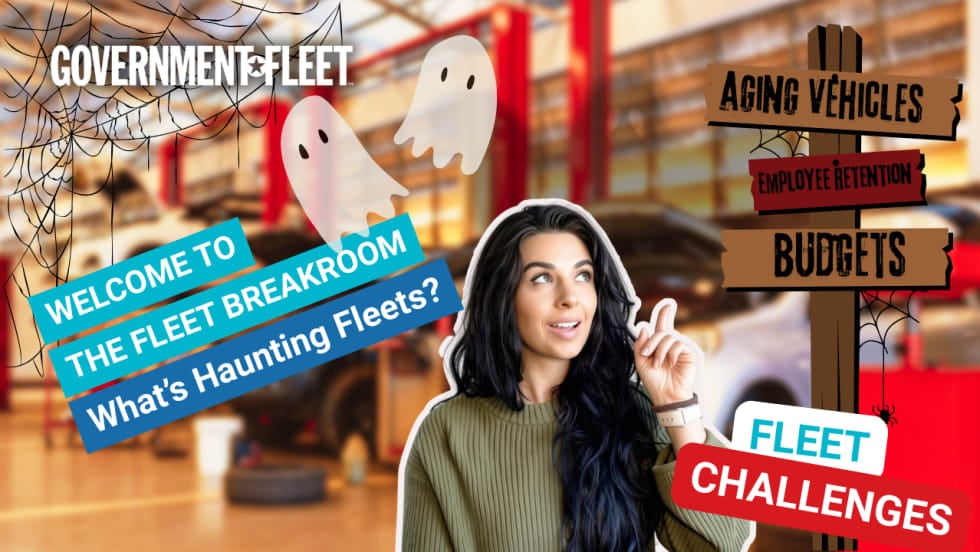
What’s Haunting Public Sector Fleets?
Public sector fleet challenges rarely happen in isolation, and addressing one often means understanding how it connects to another.
Read More →
Is Keeping Older Fleet Vehicles Really Saving Money?
Is keeping vehicles longer saving money, and what happens when a diagnostic test points to the wrong fix?
Read More →
How Smart Fleet Strategy Can Help Local Government Agencies Do More with Less
Keeping a vehicle longer may ease this year’s budget, but what does it cost the next one? A closer look at fleet decisions can reveal opportunities to reduce spending while protecting essential services.
Read More →
Connect with Government Fleet on LinkedIn
From industry news and fleet management strategies to conversations with peers, Government Fleet's LinkedIn page offers public-sector fleet professionals another way to stay informed and connected.
Read More →
Town of Queen Creek Named Most Successful Fleet Award Winner of Inaugural RTA Fleet Success Awards
Five fleets were honored at RTA Connect 2026 in Chicago for excellence across resource efficiency, intentional culture, risk management, and stakeholder satisfaction.
Read More →
A buyer's guide to fleet management software in 2027
Buying fleet management software in 2027 means looking beyond features and price. As fleet operations, technology and expectations evolve, this guide explores what today’s fleet professionals should consider when choosing a system that can deliver value now and adapt to what comes next.
Read More →
Hazard Alerts, Fleet Car Sales Rise and a New Shuttle Concept
Fleet car sales doubled, but the bigger picture tells a different story in this week’s roundup.
Read More →
How St. Johns County Turned Fleet Data Into Better Replacement Decisions
St. Johns County, Florida, had fleet data, but turning it into reliable decision guidance was another matter. Instead of starting over with a new fleet management system, the county connected existing tools and built a scoring system that gives managers an objective look at fleet health.
Read More →
Fleet Forward Conference Introduces One-Day Passes for 2026
New one-day registration lets fleet professionals attend Tuesday, Wednesday, or Thursday, with passes available for $249.
Read More →