




Wash. to Purchase 20% EVs by 2017
The Washington State Electric Fleets Initiative aims to ensure at least 20% of all new state passenger vehicle purchases are electric vehicles by 2017.
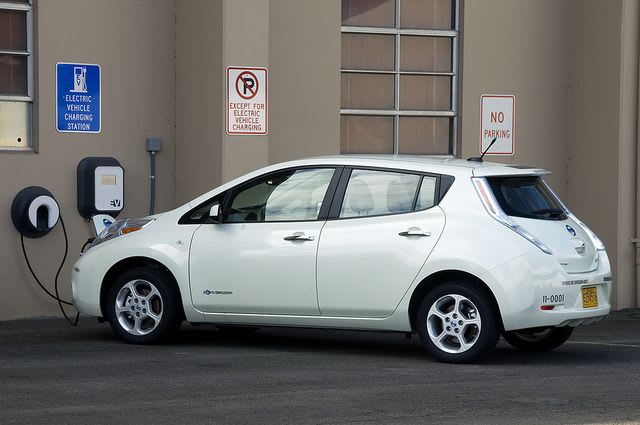
Photo via Flickr/Oregon DOT
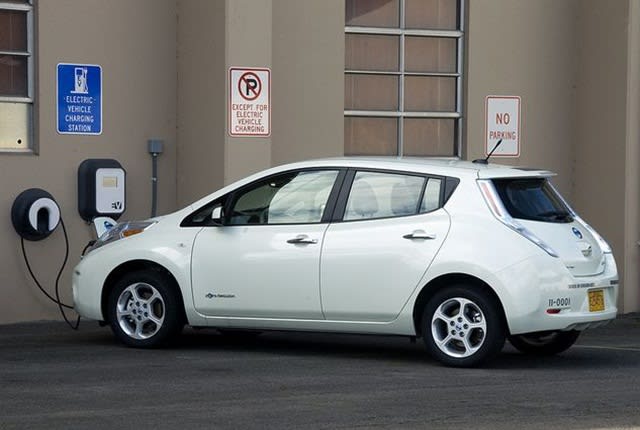
Photo via Flickr/Oregon DOT
The State of Washington has launched a new initiative to accelerate the adoption of zero-emission electric vehicles in public and private fleets. The Washington State Electric Fleets Initiative aims to ensure at least 20% of all new state passenger vehicle purchases are electric vehicles by 2017.
Governor Jay Inslee announced the new plan while attending the Paris Climate Conference this week as a step toward meeting the state’s goal of putting 50,000 EVs on the road by 2020.
The state’s current vehicle procurement contract expires on Jan. 1, 2017, allowing it to solicit new proposals from EV manufacturers in early 2016. The initiative includes a plan to convene a team to draft a new state master contract, invite other states to participate, issue a competitive solicitation, and award one or more contracts with a guaranteed minimum purchase commitment.
The plan targets fleets because they can often use centralized charging, have predictable routes, and focus on lifetime vehicle costs.
The state provides a fact sheet about the initiative here.
More Procurement
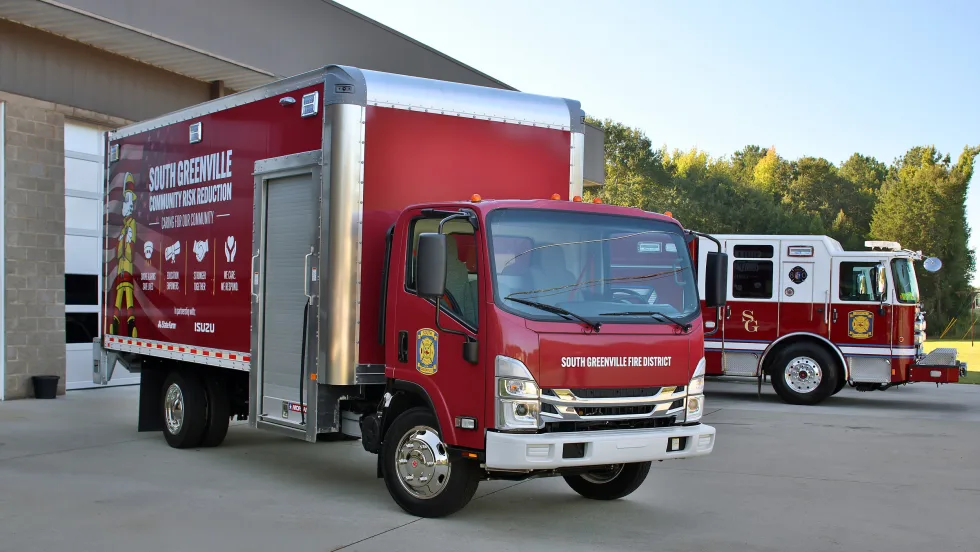
Isuzu Donates New N-SERIES NRR Truck to South Greenville Fire District to Support Community Outreach
Isuzu NRR equipped with Morgan truck body and PALFINGER liftgate will help support fire safety education, community engagement and outreach programs throughout Southern Greenville County.
Read More →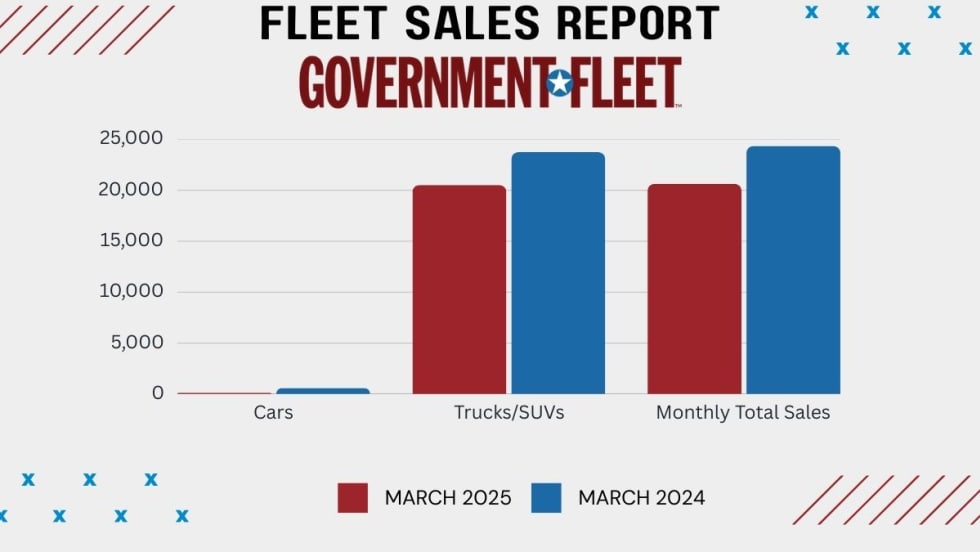
Government Vehicle Sales See Continued Growth from Beginning of Year
Government fleet sales rose from both January and February monthly totals, which were both under 20,000.
Read More →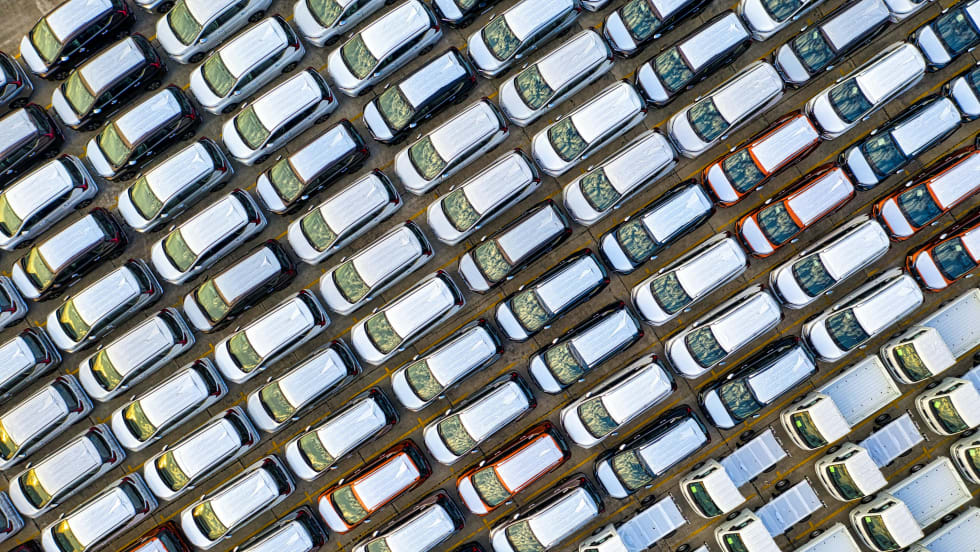
Updated: Trump Signs Proclamation Imposing 25% Tariff on Auto Imports
A new proclamation signed by President Trump imposes a 25% tariff on imported passenger vehicles and key auto parts, citing national security concerns.
Read More →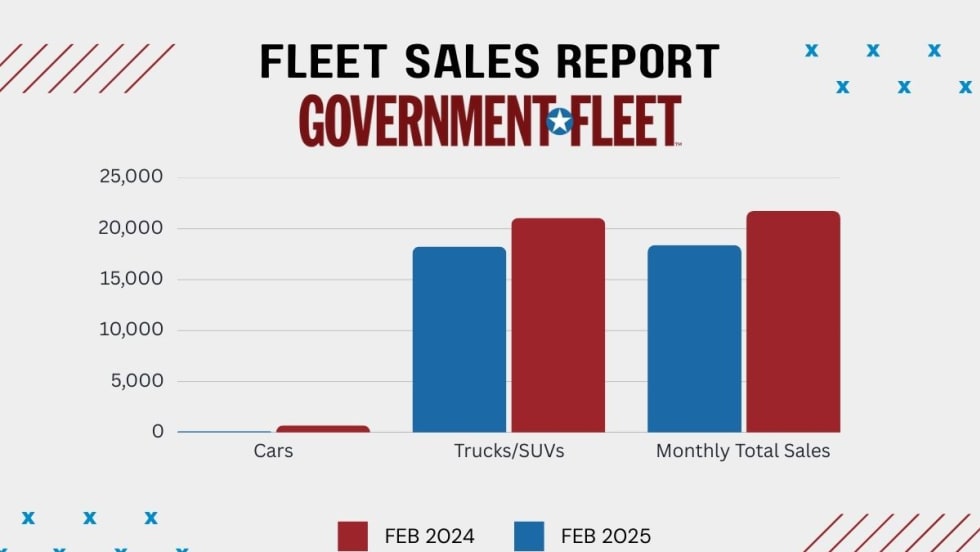
Government Vehicles Sales See Another Dip Compared to 2024
Government fleet sales last month came in at 18,383 vehicles, falling 15.4% from 21,737 in February 2024.
Read More →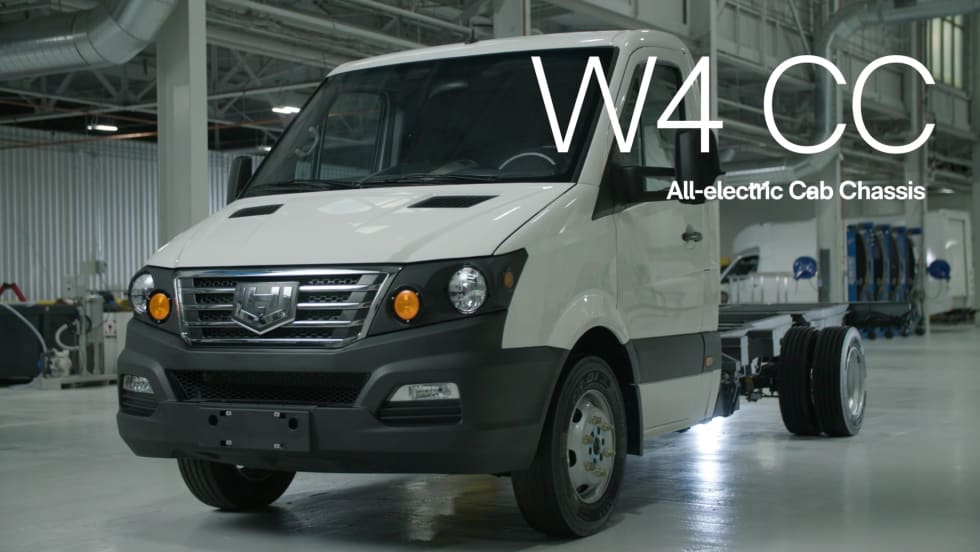
Washington Municipality Adds Workhorse Electric Trucks to Fleet
The municipality will deploy two W4 CC electric work trucks for trash and recycling can switch-outs, enhancing the efficiency of its waste management services.
Read More →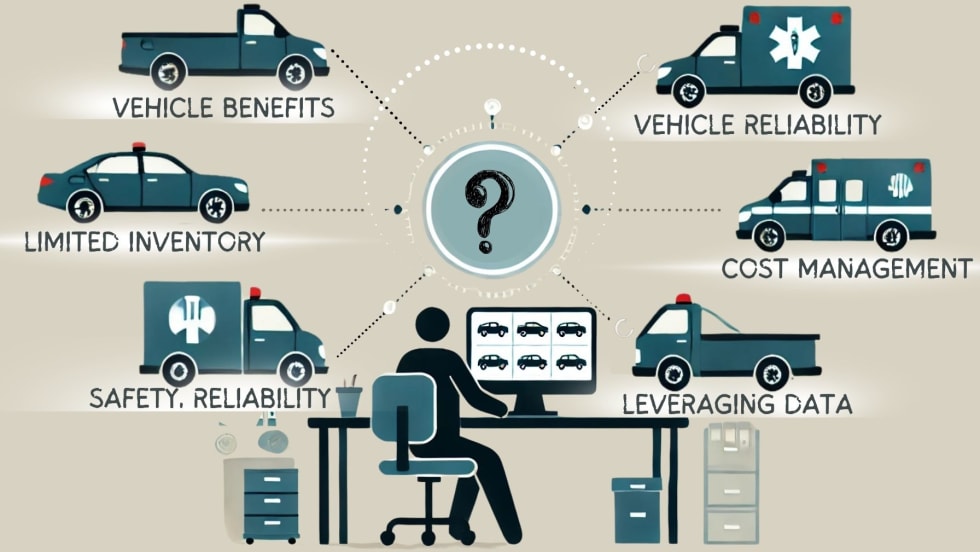
From the Archives: Changes in Fleet Acquisitions
When vehicles become harder to acquire, fleet managers must balance keeping vehicles on the road longer while managing the escalating operating costs of older vehicles.
Read More →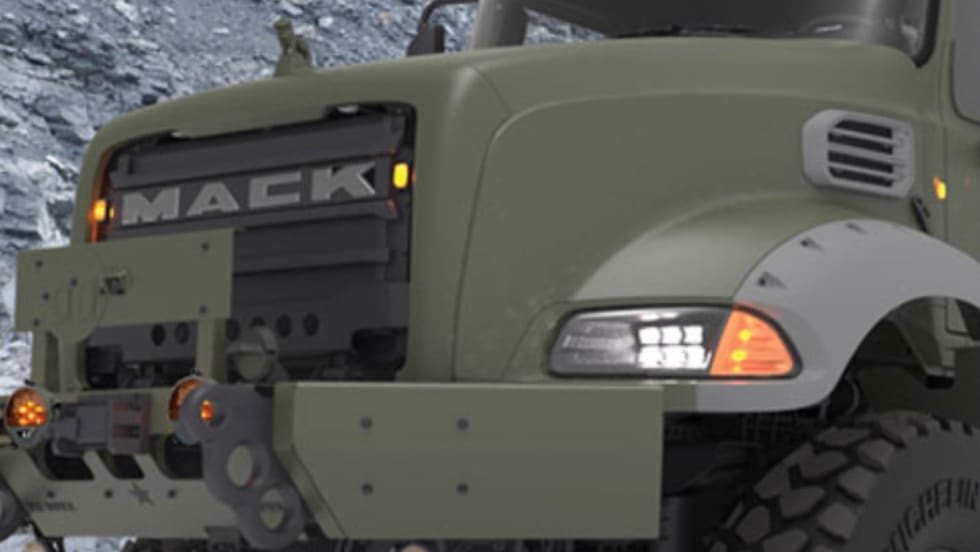
Mack Defense Awarded Contract By U.S. Marine Corps To Develop Medium Tactical Truck
The U.S. Marine Corps awarded Mack Defense a 12-month contract for the initial development of a new Medium Tactical Trucks (MTT) fleet.
Read More →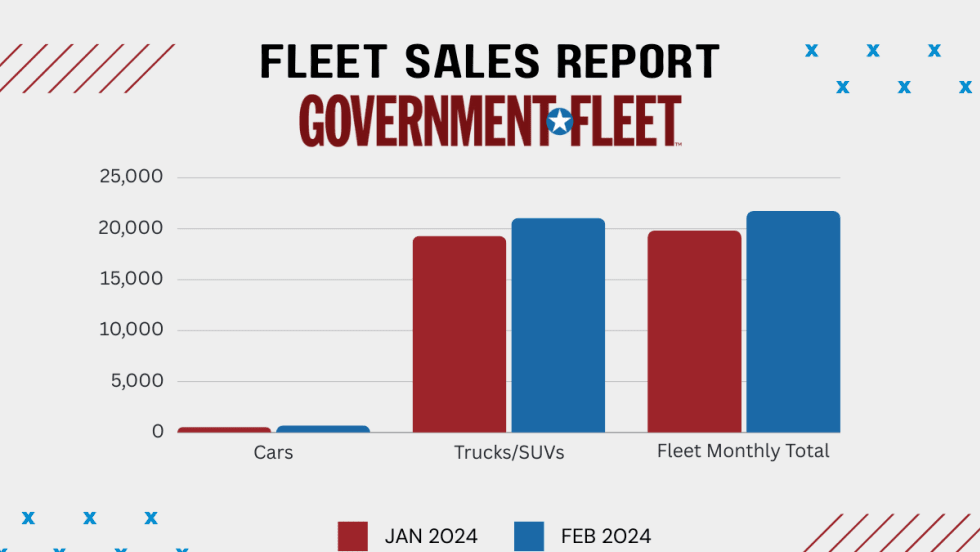
Government Vehicle Sales Rise from January to February
Government vehicle sales continue to rise into 2024 with both car and truck/SUV sales climbing between January and February of 2024, according to Bobit/Government Fleet sales data released March 2.
Read More →
How the UAW Strike Affected Government Fleet Orders from the Big 3
Government Fleet asked the Big 3 how their operations have been in the weeks since the UAW strike ended, with new contracts ratified. Plus, automakers address concerns about vehicle delivery delays.
Read More →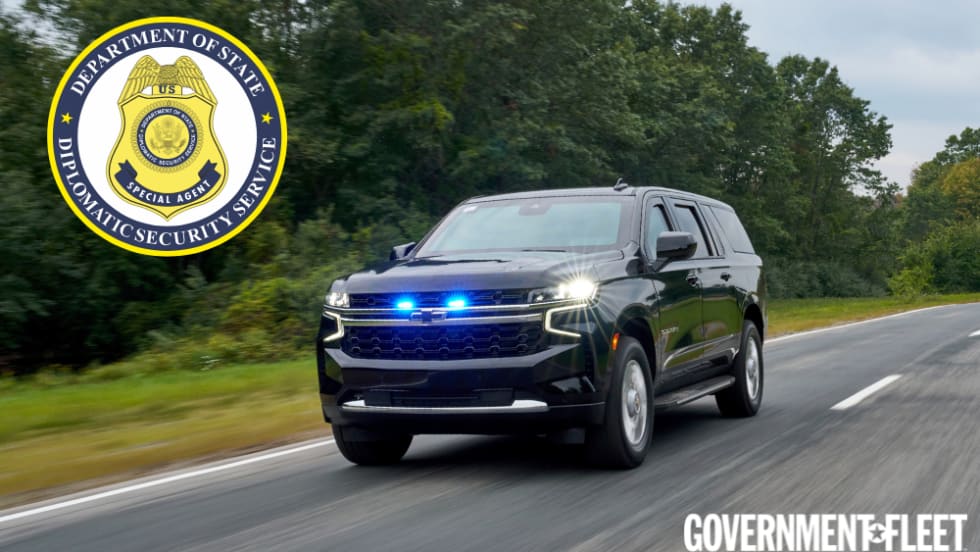
GM Defense to Supply Armored Vehicles to U.S. Department of State
Details on the contract, a look at upgrades and an improved up-armoring process in the next generation heavy-duty armored SUVs, and how the Department of State landed on GM Defense's product.
Read More →