




Wash. Gov. Honors University Motor Pool for Pollution Prevention
OLYMPIA, WA - Gov. Gary Locke has honored the University of Washington´s (UW) Motor Pool with the Governor´s Award for Pollution Prevention and Sustainable Practices. David Carr is the manager of motor pool operations for the University of Washington.
OLYMPIA, WA - Gov. Gary Locke has honored the University of Washington´s (UW) Motor Pool with the Governor´s Award for Pollution Prevention and Sustainable Practices. David Carr is the manager of motor pool operations for the University of Washington. The award recognizes businesses, agencies, and organizations that reach high environmental protection goals, such as conserving vital resources and reducing or eliminating hazardous waste, while making products and providing services. The UW Motor Pool and six other winners were recognized for preventing pollution and using business practices that are “sustainable” - those that support the vitality of the economy, the environment, and the community. State Department of Ecology Director Linda Hoffman presented the awards with Tom Fitzsimmons, Gov. Locke´s chief of staff. The facility´s sustainable practice efforts apply to all aspects of fleet management, from a nearly paperless reservations system to using soap and hot water instead of chemical solvent for parts cleaning. Much of the fleet runs on re-refined motor oil and uses about 9,000 gallons each year. The motor pool recycles everything possible, including oil, antifreeze, lead-acid batteries, and the toner cartridges used in the office. Recycling the spent antifreeze has reduced new antifreeze purchases by 300-600 gallons per year. Also, changing to the soap and water parts washer means 400 less gallons of solvent purchased each year. No solvent used also means no disposal costs and no exposure to solvent fumes for employees. The motor pool switched to more fuel-efficient buses for the Health Science Express. The engines produce 60- to 80-percent fewer exhaust emissions, 20 percent less nitrogen dioxide (a greenhouse gas), and 30 percent fewer particulates. In addition, there is a “no-idling” policy for UW buses and diesel trucks operating on campus. Fitzsimmons acknowledged the winners´ financial and professional effort, and applauded their hard work. He said, “Our grandchildren should inherit a clean environment, a good economy, and healthy communities. This vision takes effort and costs money - we know that, and we deeply thank you for your investment.” This year´s winners were selected from 25 applicants by a panel of judges. The judges included a past award-winner, conservation and pollution prevention experts, and representatives from labor and environmental groups. The judges evaluated the entries on how they reduced the use of toxic materials and the waste created, increased their use of renewable and recycled materials, conserved energy and switched to renewable energy sources, conserved water, and minimized the environmental effects of a product throughout its life cycle.
More Operations
How Government Fleets Are Turning Connected Vehicle Data Into Practical Decisions
Public sector fleets are using connected technology to improve visibility, but the bigger challenge is building the processes to act on the information it provides.
Read More →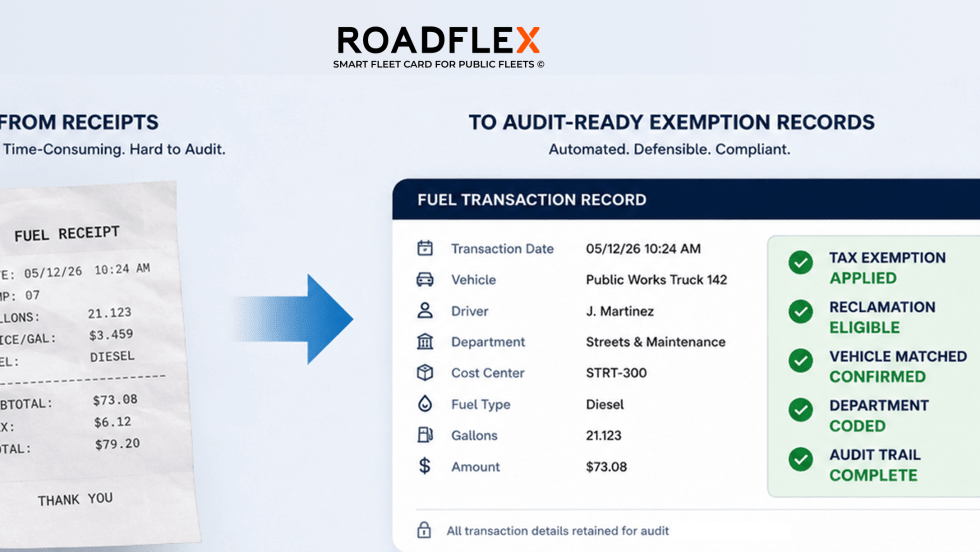
RoadFlex Brings Fuel Tax Compliance and Audit-Ready Reporting to Government, Public Works Fleets
New capabilities aim to help public-sector and public works fleets streamline fuel tax exemptions, reclamation, reconciliation, and audit-ready reporting.
Read More →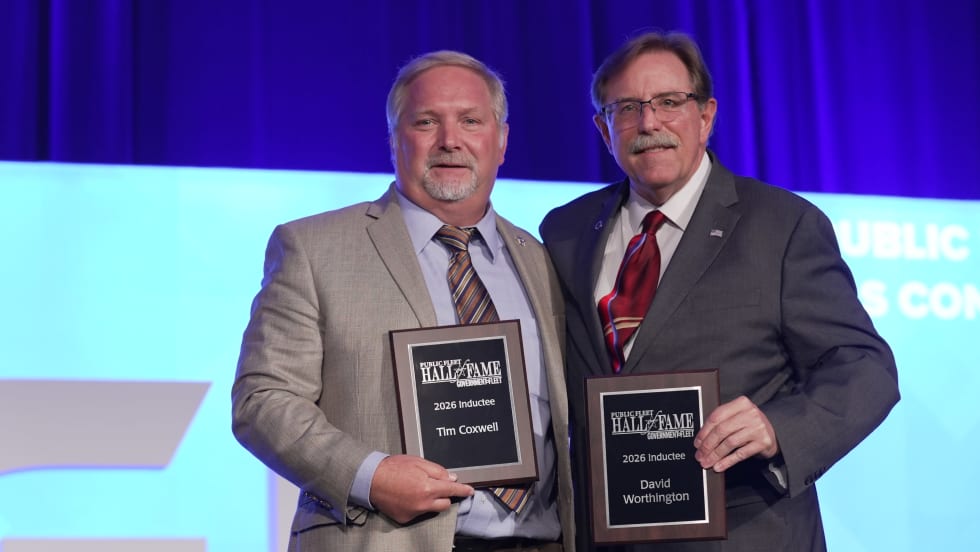
2026 Public Fleet Hall of Fame Inductees Honored
This year's class includes leaders whose work has helped shape the public fleet industry.
Read More →
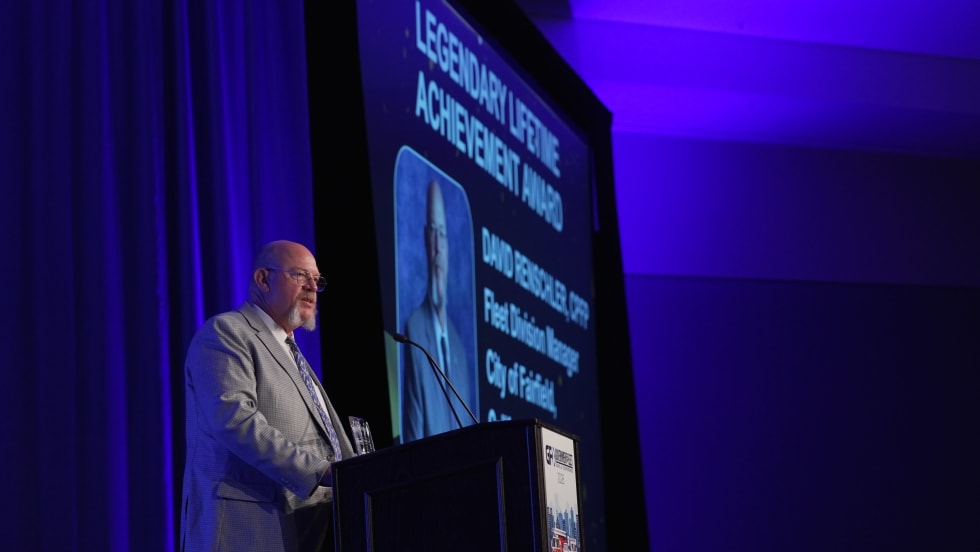
David Renschler Receives 2026 Legendary Lifetime Achievement Award
Andy Campbell of Sourcewell, which partnered with Government Fleet in presenting the award, recognized Renschler.
Read More →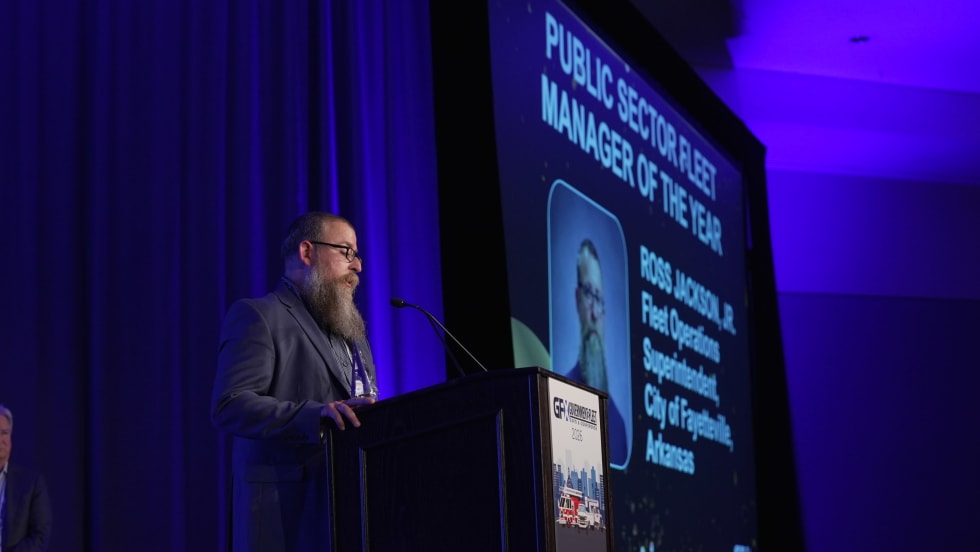
Ross Jackson Jr. Named 2026 Public Sector Fleet Manager of the Year
His leadership, innovation, and commitment to excellence earned him one of the industry's top honors.
Read More →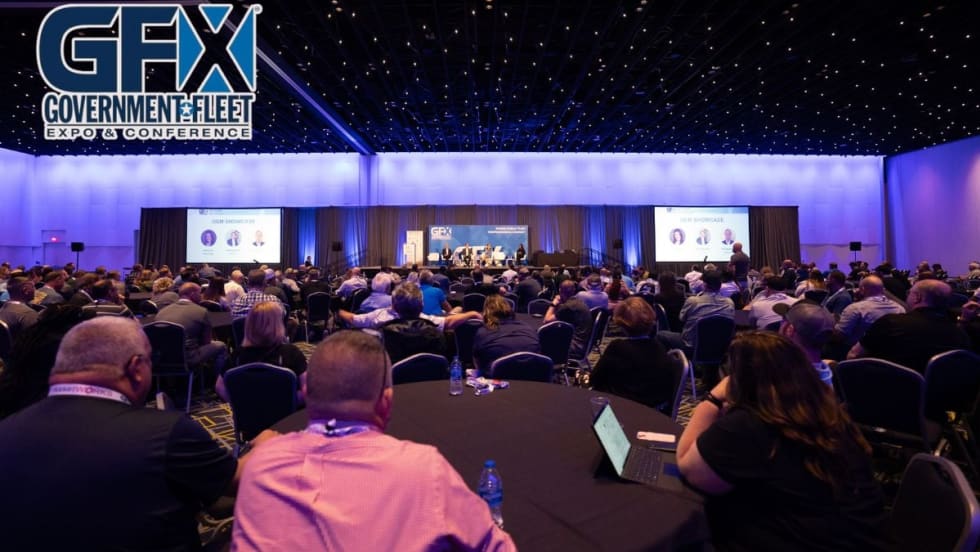
Public Fleet Professionals Set to Converge as GFX Gets Underway
Known as the largest gathering of public fleet professionals in the nation, GFX will feature in-depth training sessions, emerging fleet technologies, and access to leading suppliers and service providers.
Read More →
The Technician Pipeline: Finding, Keeping, and Promoting Techs Within the Operation
A look at where to find good talent, what fleets are doing to incentivize those techs to stay within the fleet, and what promotion looks like for a technician within the public sector.
Read More →
5 Public Fleet Stories Worth Revisiting Before GFX | The May Dispatch
Public fleet leaders are being asked to prepare for more, communicate better, and make decisions that hold up under pressure.
Read More →
Drive More Profit with Greater Fleet Uptime
Fleet downtime costs money. JASPER helps keep vehicles on the road with quality remanufactured components, fast nationwide delivery, and reliable solutions that boost uptime and profitability.
Read More →
Are You Tracking Your Fleet's True Total Cost of Ownership?
Bobit Business Media surveyed 190 fleet professionals and found that while most fleets are tracking costs, fragmented systems and data gaps are keeping true TCO visibility out of reach. With rising pressure to control spend in an increasingly volatile environment, the gap between what fleets think they know and what the data actually shows is wider than you might expect. See how your peers are managing costs today and where the industry still has room to improve.
Read More →