




Wash. FD Standardizes Fire Fleet
The Redmond (Wash.) Fire Department has standardized its fleet with 100% Pierce apparatus after adding two Pierce Velocity pumpers and a 100-foot aerial platform into service.
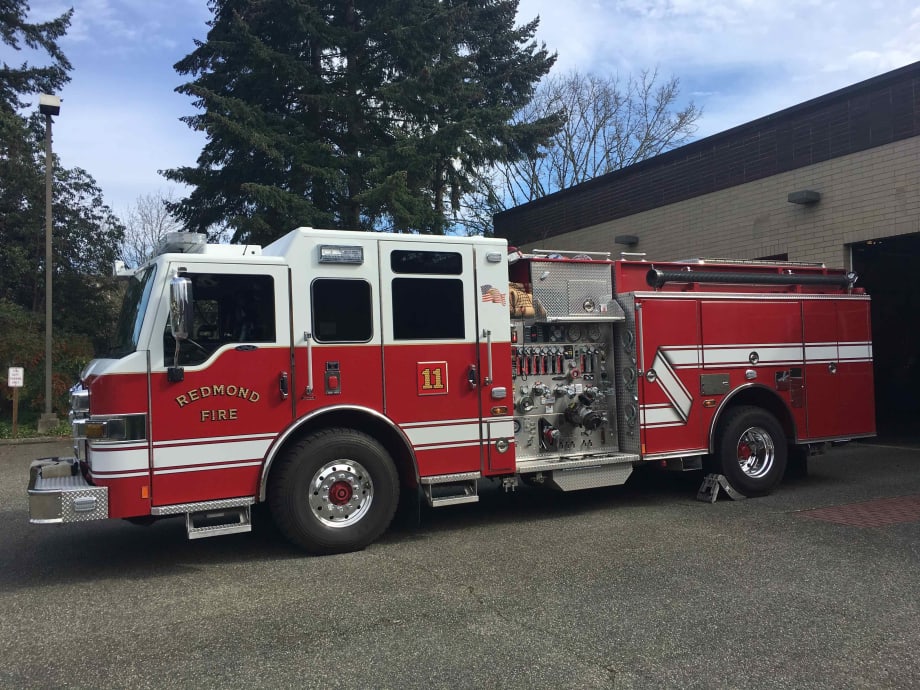
Photo courtesy of Pierce Manufacturing
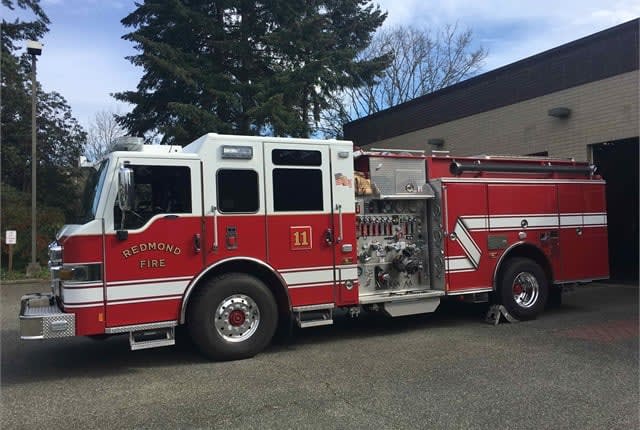
Photo courtesy of Pierce Manufacturing
The Redmond (Wash.) Fire Department has standardized its fleet with 100% Pierce apparatus after adding two Pierce Velocity pumpers and a 100-foot aerial platform into service, according to a release from Pierce Manufacturing.
Vehicle cost is just one of the factors in total cost of ownership, said Doug Jones, Redmond Fire Department’s fleet manager for the past decade, and someone who plays a significant role in vehicle purchases.
“Our protection area is similar to other suburban departments, but it presents some unique challenges, including the wildland urban interface issue,” said Mike Hilley, medical services administrator, health and safety officer, and head of its EMS Division. “The new Pierce Velocity engines will spend 90% of their time working the suburban neighborhoods, but they will also support wildland response throughout the county. The aerial platform will serve the city’s urban and commercial areas, including the Microsoft and Nintendo of America campuses.”
The Velocity pumpers each feature a big block DD13 500-hp engine, TAK-4 independent front suspension, Command Zone advanced electronics, and side roll and front impact protection systems. The vehicles offer seating for four firefighters (with a seatbelt monitoring system), a wide range of compartmentation for rescue tools and equipment, and an EMS cabinet inside the cab. Each vehicle’s firefighting system includes a 1500-gallon-per-minute (gpm) single-stage pump, a Husky 12 single agent foam system, and a 500-gallon water tank.
The Pierce 100-foot aerial platform, also built on the Velocity chassis, features the same big block DD13 500-hp engine, TAK-4 independent front suspension, Command Zone advanced electronics, and side roll and front impact protection systems. The aerial platform offers a 50 mph wind rating, a five-inch waterway and 2000-gpm monitor, a wide and roomy platform basket, a Lyfe bracket rescue tool system, and LED rung lighting. Also on board is a portable compressed air foam system (in place of a full pump and tank) for quick response to car fires or similar emergencies.
All three apparatus include idle reduction technology (IRT) to reduce engine emissions, prolong engine life, and improve air quality.
“At an emergency scene, IRT allows us to shut down the main engine unless we’re in pump mode,” Hilley explained. “We’ll be able to run all vehicle systems with the IRT system while a small generator charges the vehicle’s batteries.”
More Procurement
Government Fleet Car Sales More Than Double in September
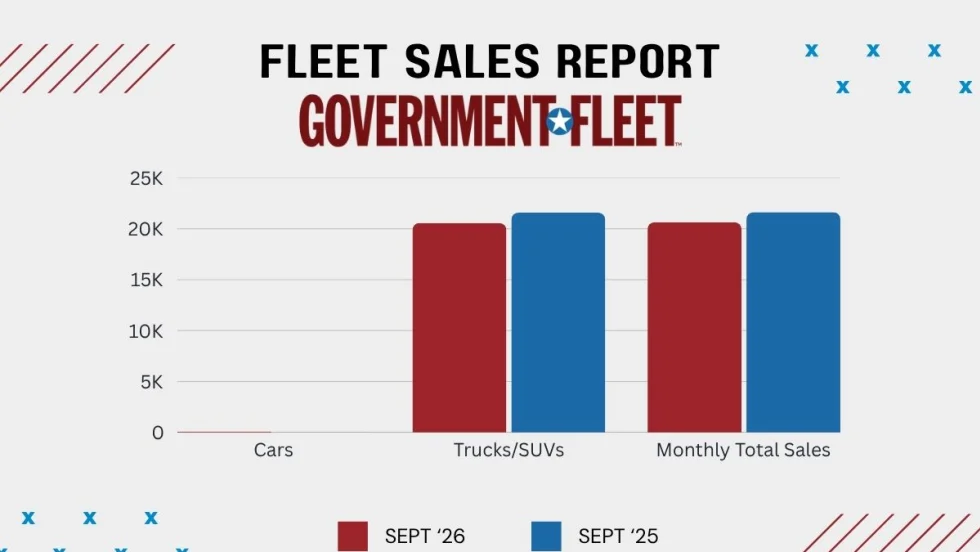
Government fleet car sales rose 112.8% year over year in September, climbing from 39 to 83 units even as total monthly sales declined 4.5%.
Read More →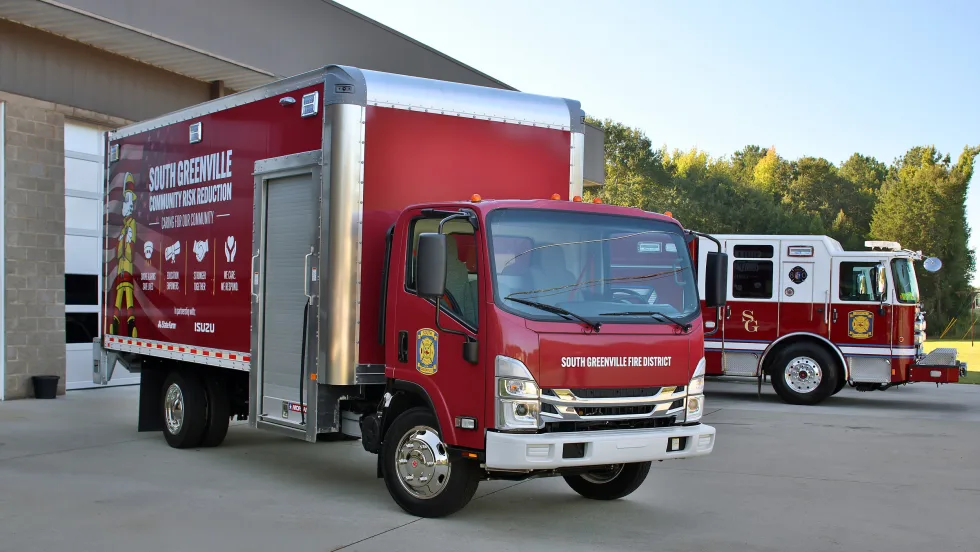
Isuzu Donates New N-SERIES NRR Truck to South Greenville Fire District to Support Community Outreach
Isuzu NRR equipped with Morgan truck body and PALFINGER liftgate will help support fire safety education, community engagement and outreach programs throughout Southern Greenville County.
Read More →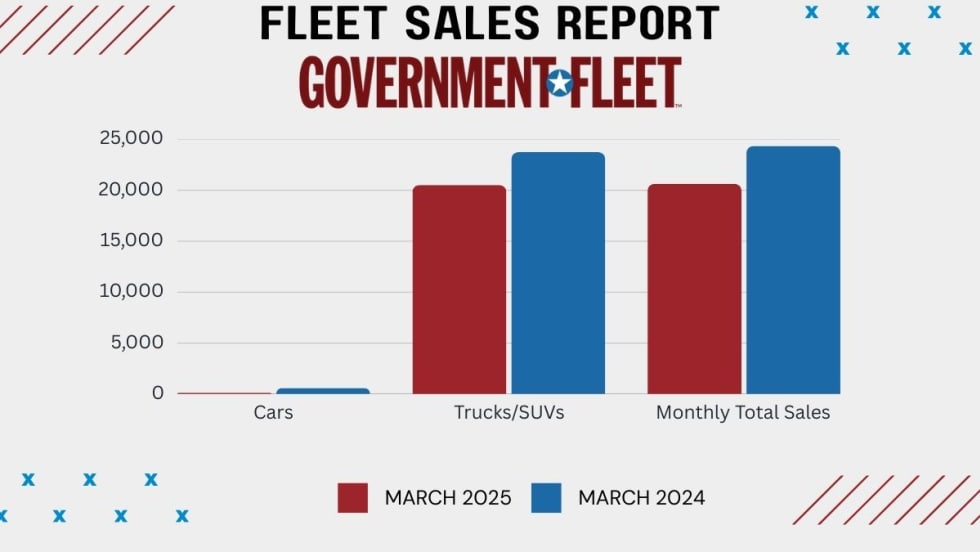
Government Vehicle Sales See Continued Growth from Beginning of Year
Government fleet sales rose from both January and February monthly totals, which were both under 20,000.
Read More →
Updated: Trump Signs Proclamation Imposing 25% Tariff on Auto Imports
A new proclamation signed by President Trump imposes a 25% tariff on imported passenger vehicles and key auto parts, citing national security concerns.
Read More →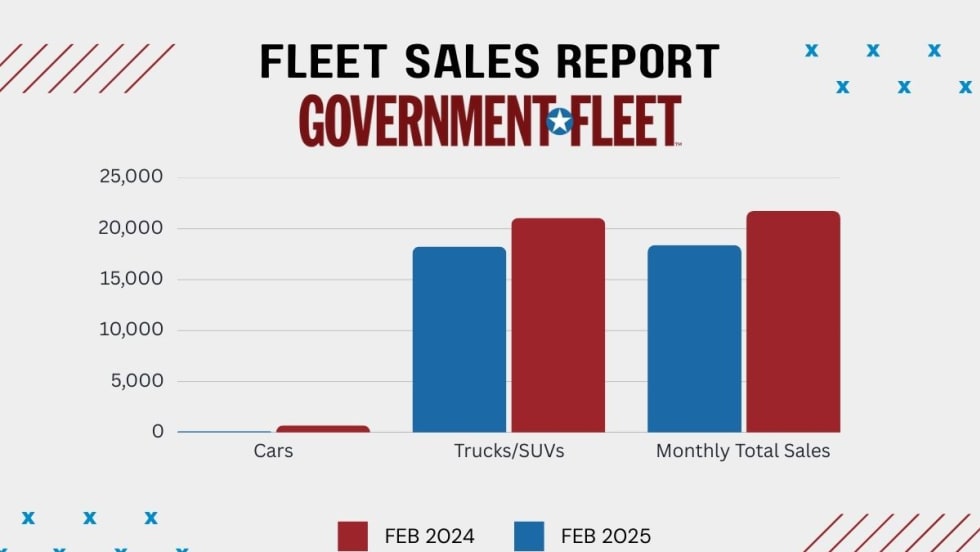
Government Vehicles Sales See Another Dip Compared to 2024
Government fleet sales last month came in at 18,383 vehicles, falling 15.4% from 21,737 in February 2024.
Read More →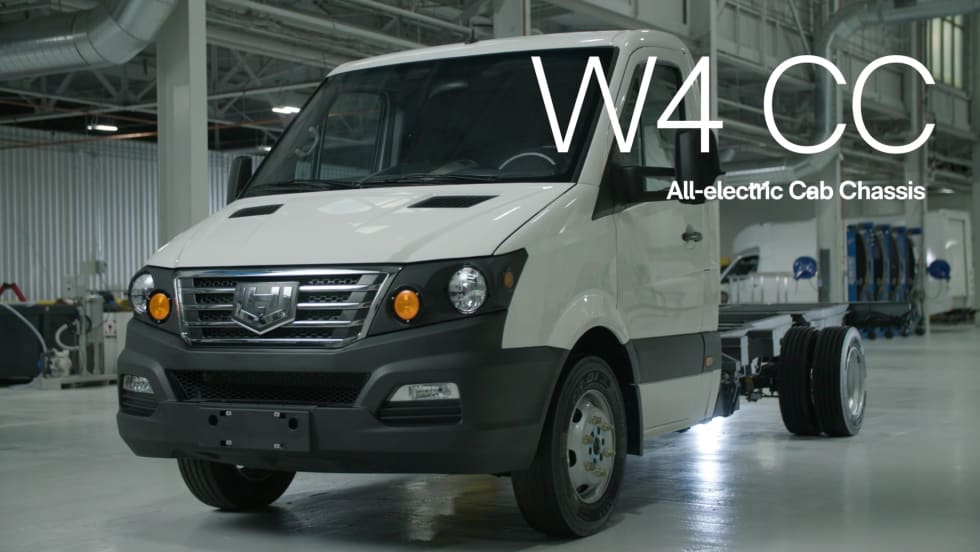
Washington Municipality Adds Workhorse Electric Trucks to Fleet
The municipality will deploy two W4 CC electric work trucks for trash and recycling can switch-outs, enhancing the efficiency of its waste management services.
Read More →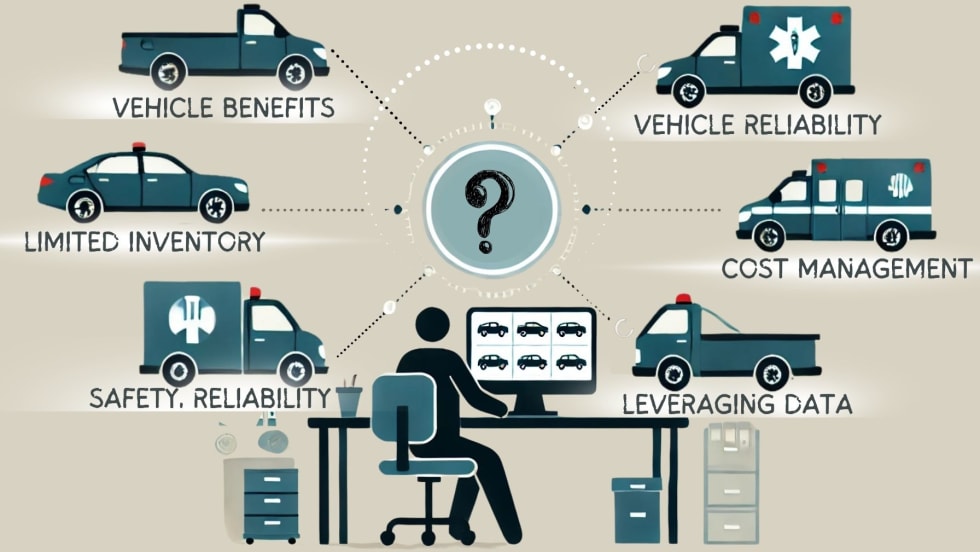
From the Archives: Changes in Fleet Acquisitions
When vehicles become harder to acquire, fleet managers must balance keeping vehicles on the road longer while managing the escalating operating costs of older vehicles.
Read More →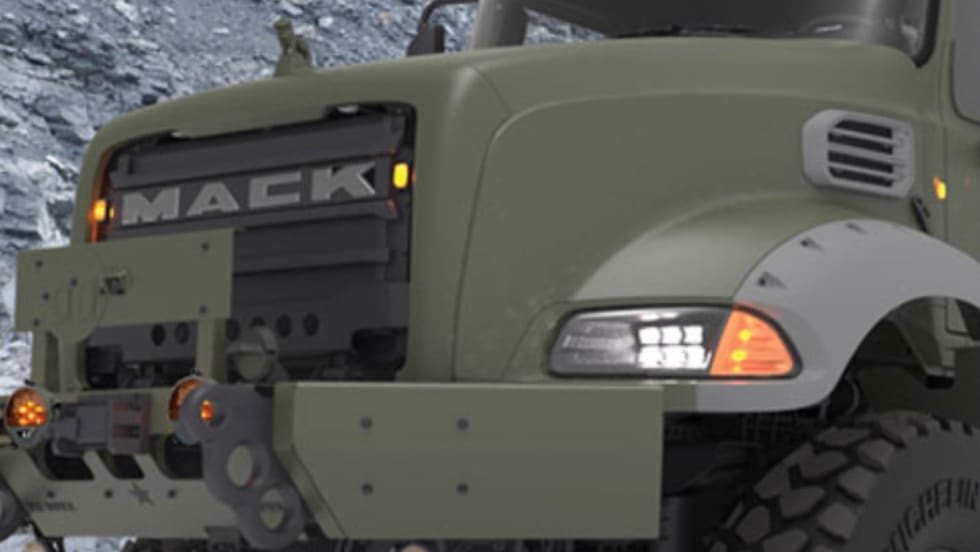
Mack Defense Awarded Contract By U.S. Marine Corps To Develop Medium Tactical Truck
The U.S. Marine Corps awarded Mack Defense a 12-month contract for the initial development of a new Medium Tactical Trucks (MTT) fleet.
Read More →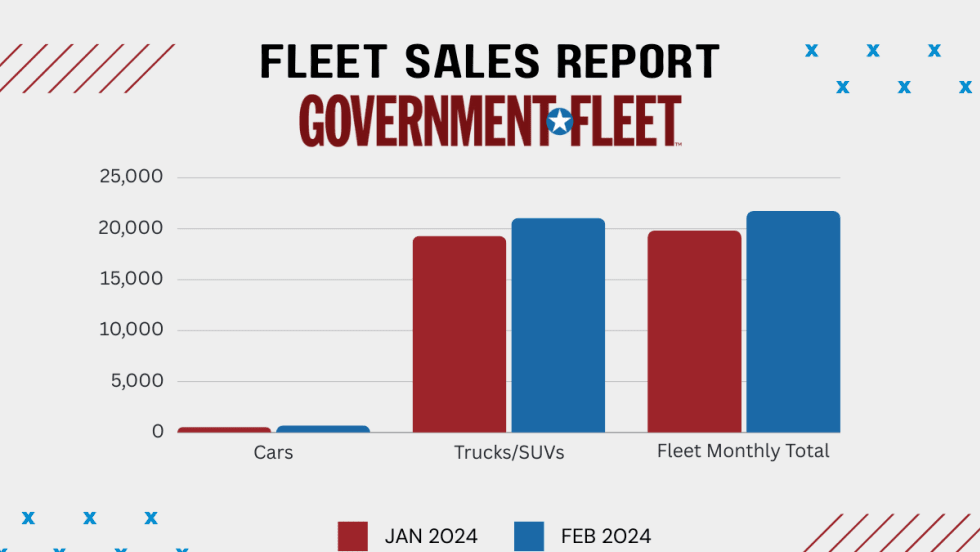
Government Vehicle Sales Rise from January to February
Government vehicle sales continue to rise into 2024 with both car and truck/SUV sales climbing between January and February of 2024, according to Bobit/Government Fleet sales data released March 2.
Read More →
How the UAW Strike Affected Government Fleet Orders from the Big 3
Government Fleet asked the Big 3 how their operations have been in the weeks since the UAW strike ended, with new contracts ratified. Plus, automakers address concerns about vehicle delivery delays.
Read More →