




Virginia’s Fairfax County to Conduct Audit on Feasibility of Reducing Fleet Size
A Fairfax County, Va., Board Chairman thinks he may have found a way of saving money: reduce the number of vehicles assigned to county agencies.
FAIRFAX, VA -- In a time of tight budgets, rising taxes and service cutbacks, Fairfax County Board Chairman Gerry Connolly thinks he may have found a way of saving money: reduce the number of vehicles assigned to county agencies, according to an article in the Connection newspaper. Currently, the county maintains 3,537 vehicles for use by government agencies not counting the school system, according to the Department of Vehicle Services. That translates to about one vehicle for every three employees. Police cars, emergency vehicles, and heavy vehicles such as tractors and earthmovers account for a large percentage of the fleet, Connolly said. But the county also maintains many passenger vehicles for employees to use when driving around the county, he added. Last week, as part of the budget adoption, Connolly asked that county auditors and employees study whether the county’s fleet can be made more economical. The cost of maintaining those vehicles has risen in recent years, largely due to fluctuations in the price of gas, said Jim Gorby, director of the Department of Vehicle Services. For the 2005 fiscal year, the board allocated almost $52 million to the department, which employs 256 full-time employees. That's a 27 percent increase in two years. At the same time, Gorby said, the county’s fleet keeps growing. The school system adds about 30 new school buses a year to keep up with new students. Homeland security grants to the county have also resulted in more first-responder vehicles. “As a consequence we are having to spend more money to maintain these vehicles,” Gorby said. Auditors started looking at the number of county vehicles in January. “We’re trying to get the right size for the fleet to determine whether there might be economies through sharing vehicles, perhaps using personal vehicles for county business,” said auditor John Adair, who presented an initial report to supervisors last week. “What we seem to have discovered is once you’ve gotten a vehicle from an agency point of view, you never let go. It just gets in the system and it gets renewed.” The county has already started purchasing hybrid vehicles as a way to cut down on fuel costs.
More Operations

Fleet Forward Conference Introduces One-Day Passes for 2026
New one-day registration lets fleet professionals attend Tuesday, Wednesday, or Thursday, with passes available for $249.
Read More →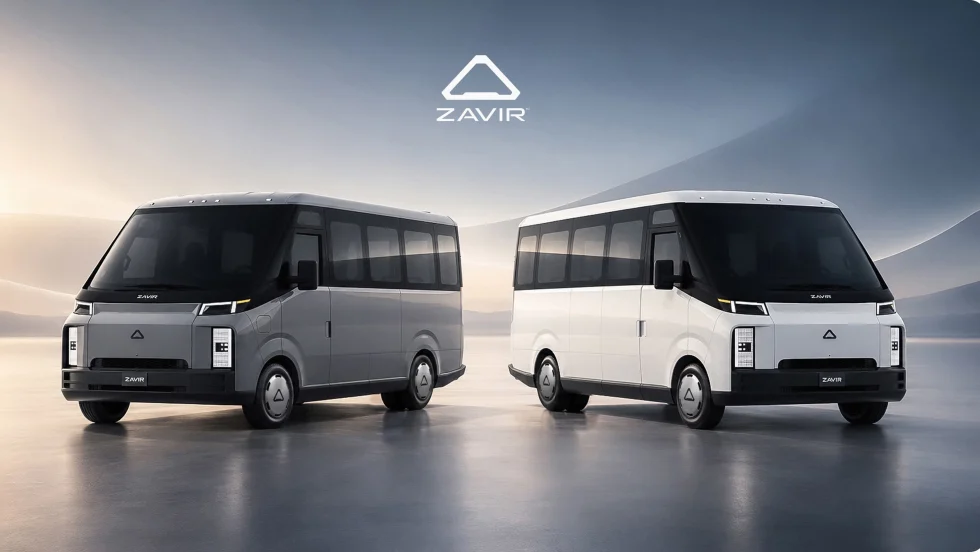
ENC Unveils its ZAVIR Medium-Duty Shuttle
Two variants of the concept shuttles were revealed: a low-floor configuration and a high-floor configuration.
Read More →
Could Your Next Fleet Technician Start as an Intern?
What if your next technician hasn’t worked in a fleet shop yet? What fleets are doing to free up time.
Read More →
How Phoenix Is Building Its Next Generation of Fleet Technicians
With more than 8,000 vehicles and pieces of equipment to maintain, the City of Phoenix could not afford to wait for fully trained technicians to walk through the door. Instead, they revamped their entire workforce strategy and showed how public fleets can create their own talent pipeline while preparing existing employees for increasingly complex vehicles.
Read More →
What’s Slowing Your Fleet Down?
Could a change in how work gets done help your fleet return vehicles to service sooner?
Read More →
Can Public Fleets Trust the Data Driving Their Decisions?
Public fleets have more data than ever, but inconsistent records and missing information can still undermine maintenance, replacement, and cost decisions.
Read More →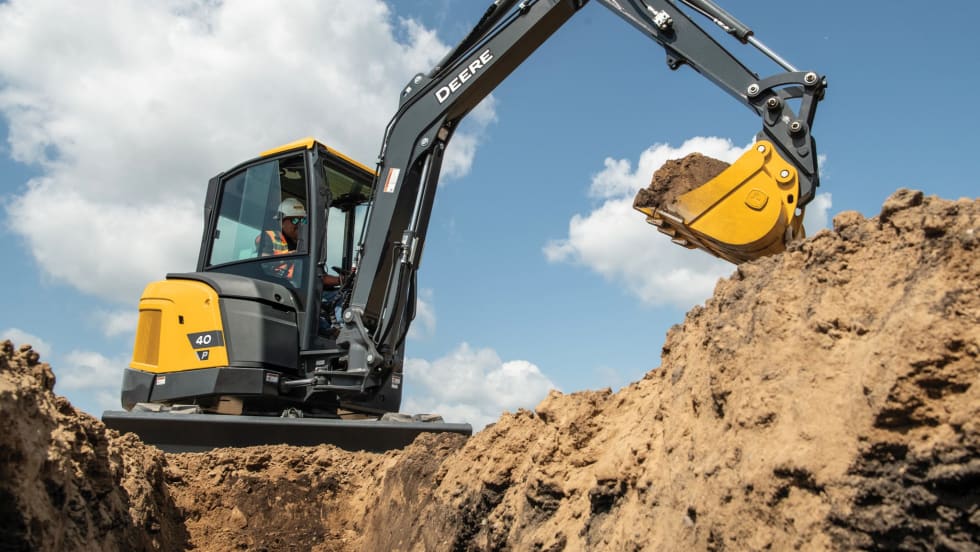
John Deere Introduces 40 P-Tier Compact Excavator
John Deere is adding a compact excavator designed for crews that need to move equipment between jobsites and handle multiple types of work with one machine. The 40 P-Tier weighs less than 10,000 pounds and offers configurable hydraulics, attachment options, and connected fleet-management capabilities.
Read More →
How Leading Fleets Improve and Why Business Plans Matter
This week, we look at what past Leading Fleet winners can teach us about making progress, plus how to build a business plan your fleet will actually use.
Read More →
Nominate a Fleet Leader for the 2027 Public Fleet Hall of Fame
Do you know a fleet leader who has made a lasting impact on the industry? Nominate this fleet professional for the 2027 Public Fleet Hall of Fame.
Read More →
Why Fleet Business Plans Need Three Perspectives
A fleet business plan should help agency leaders understand the fleet’s value, give the organization a clear direction, and establish shared expectations with customer departments.
Read More →