




U.S. Military Becomes Major User of Biodiesel
WASHINGTON, D.C. — At military bases throughout the United States, soldiers are filling their gas tanks with biodiesel. Use of the environmentally friendly fuel at bases throughout the United States is growing rapidly.
WASHINGTON, D.C. — At military bases throughout the United States, soldiers are filling their gas tanks with biodiesel. Use of the environmentally friendly fuel at bases throughout the United States is growing rapidly. In 2003, the Marine Corps used 844,000 gallons of B-20 biodiesel, says retired Navy Cmdr. Leo Grassilli, a military biodiesel expert, according to Wired News. This year, Camp Pendleton and other nearby bases alone expect to use more than a million gallons. So far, the military is not running biodiesel in tanks or other equipment that could get sent into battle zones. Other military services are also turning to biodiesel. The naval station at Everett, Wash., has been running the fuel since 2001. So has Peterson Air Force Base near Colorado Springs, Colo. Biodiesel can be found on at least 40 more Air Force bases, according to the National Biodiesel Board. The Wired News reports that the military will use more than 6 million gallons of biodiesel this year, according to the Defense Energy Support Center, the government agency that supplies the military with fuel. However, the Navy and Marine Corps burn through nearly 2 billion gallons of diesel a year. One advantage of biodiesel is that it delivers the same performance as petroleum diesel, but is far less damaging to the environment.
More Operations

Fleet Forward Conference Introduces One-Day Passes for 2026
New one-day registration lets fleet professionals attend Tuesday, Wednesday, or Thursday, with passes available for $249.
Read More →
ENC Unveils its ZAVIR Medium-Duty Shuttle
Two variants of the concept shuttles were revealed: a low-floor configuration and a high-floor configuration.
Read More →
Could Your Next Fleet Technician Start as an Intern?
What if your next technician hasn’t worked in a fleet shop yet? What fleets are doing to free up time.
Read More →
How Phoenix Is Building Its Next Generation of Fleet Technicians
With more than 8,000 vehicles and pieces of equipment to maintain, the City of Phoenix could not afford to wait for fully trained technicians to walk through the door. Instead, they revamped their entire workforce strategy and showed how public fleets can create their own talent pipeline while preparing existing employees for increasingly complex vehicles.
Read More →
What’s Slowing Your Fleet Down?
Could a change in how work gets done help your fleet return vehicles to service sooner?
Read More →
Can Public Fleets Trust the Data Driving Their Decisions?
Public fleets have more data than ever, but inconsistent records and missing information can still undermine maintenance, replacement, and cost decisions.
Read More →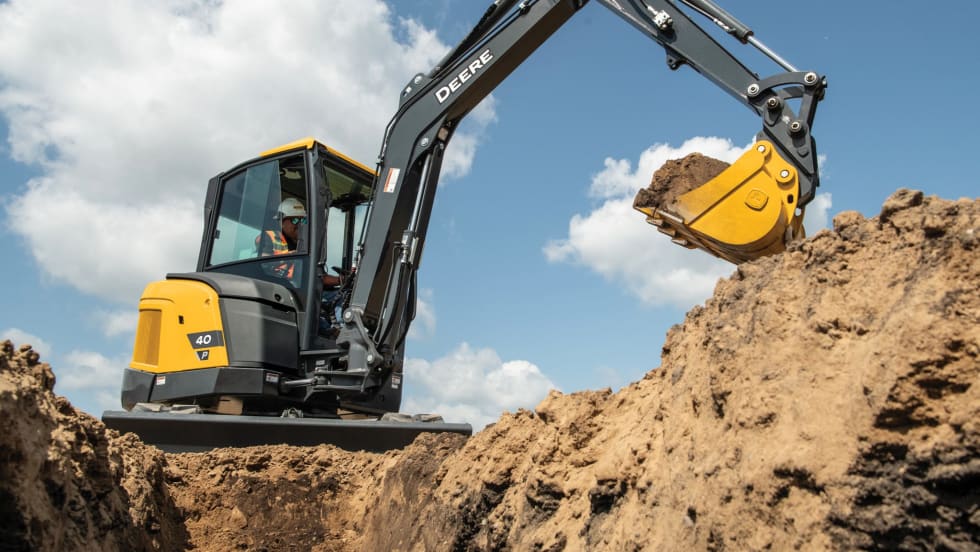
John Deere Introduces 40 P-Tier Compact Excavator
John Deere is adding a compact excavator designed for crews that need to move equipment between jobsites and handle multiple types of work with one machine. The 40 P-Tier weighs less than 10,000 pounds and offers configurable hydraulics, attachment options, and connected fleet-management capabilities.
Read More →
How Leading Fleets Improve and Why Business Plans Matter
This week, we look at what past Leading Fleet winners can teach us about making progress, plus how to build a business plan your fleet will actually use.
Read More →
Nominate a Fleet Leader for the 2027 Public Fleet Hall of Fame
Do you know a fleet leader who has made a lasting impact on the industry? Nominate this fleet professional for the 2027 Public Fleet Hall of Fame.
Read More →
Why Fleet Business Plans Need Three Perspectives
A fleet business plan should help agency leaders understand the fleet’s value, give the organization a clear direction, and establish shared expectations with customer departments.
Read More →