




U.Va. Reduces Fuel Use, Fleet Emissions
In the past year, the University of Virginia fleet has reduced its gasoline consumption by 3,200 gallons and its carbon emissions by 28 metric tons.


The University of Virginia fleet staffed collaborated in the alternative-fuel program and to achieve accreditation.
Photo courtesy of University of Virginia
The University of Virginia has turned to electric and hybrid vehicles to reduce its fleet emissions, helping it earn a Sustainable Fleet Accreditation from NAFA and Calstart.
In the past year, the fleet department has reduced its gasoline consumption by 3,200 gallons and its carbon emissions by 28 metric tons by replacing 10 of its older, less-efficient vehicles with electric and hybrid vehicles. The team also reduced the department’s number of older diesel vehicles by 50% down to just 13, resulting in a reduction of 2,500 gallons of diesel and 26 metric tons of emissions, according to Michael Duffy, CAFM, transportation operations and fleet manager for the university.
Facilities Management’s electric vehicles produce zero emissions while driving and have a range of 150-170 miles. These consist of five Nissan Leaf passenger vehicles and three e-ride Industries work trucks.
The department also uses five hybrid vans and box trucks, which use up to 25% less fuel, reducing carbon emissions and maintenance costs. Its Ford F-250 trucks with the XL hybrid electric drive system, used by UVA’s recycling and maintenance divisions, produce 20% fewer carbon emissions than their gasoline counterparts. In February, UVA added XLH Ford E-350 Cutaway box trucks to its Facilities Management fleet and is expecting similar results.
The transition to using alternative-fuel vehicles has involved some challenges as these vehicles cannot carry some of the heavy tools and equipment needed by some Facilities Management teams for specific jobs.
The vehicles also tend to have higher up-front costs than their conventional counterparts, requiring cost analysis by the fleet management team. To examine cost efficiency, staff members track the miles per gallon performance using GPS analytics systems, which automatically record data about vehicles’ mileage and fuel consumption.
“We are still collecting information about how the transition is progressing,” Duffy said. “We have noted a reduction in both diesel and gas fuel use.”
The fleet operation is following a UVA Sustainability Plan to reduce greenhouse gas emissions to its 2009 totals by the year 2025. Its mission is to reduce fuel consumption and emissions while modernizing its 252-vehicle fleet.
Duffy said that multiple staff members collaborated in the alternative-fuel program and to achieve accreditation. Employees researched the use of alternative energy vehicles at other universities, collected data to examine the impact of reducing fuel consumption and emissions, and installed the infrastructure necessary to charge electric vehicles.
More Green Fleet
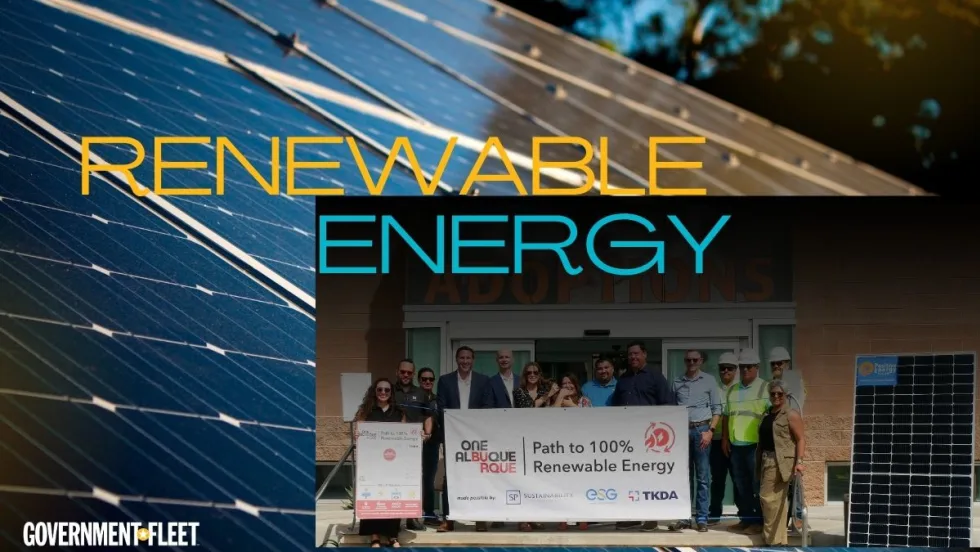
Sustainability Partners, Energy Systems Group Help Albuquerque Close the Gap on its 100% Renewable Energy Goal
The eight-site, 6 MW solar project has advanced the city toward 100% renewable energy for municipal operations.
Read More →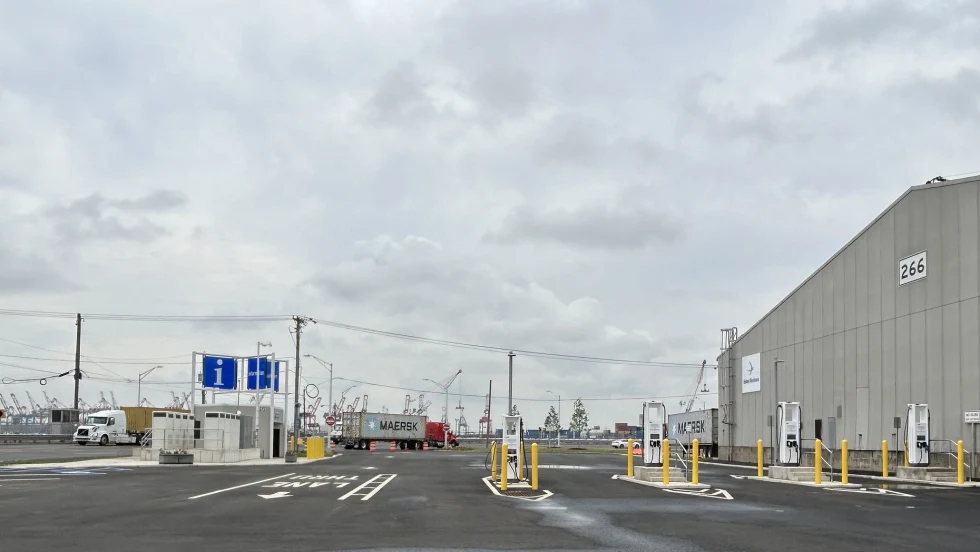
Port Authority and CALSTART Launch $45 Million Electric Truck and Charging Programs
The programs aim to boost sustainable operations across the East Coast's busiest seaport.
Read More →
Moving Government Fleets Beyond the Vehicle Purchase: EV as a Service
A discussion on how EVaaS is moving beyond pilot programs and what fleets should consider before beginning a larger deployment.
Read More →
Moving Government Fleets Beyond the Vehicle Purchase: EV as a Service
As fleets move beyond small EV pilots, Sustainability Partners CEO Adam Cain explains how EVaaS can address the infrastructure and long-term planning required for larger deployments.
Read More →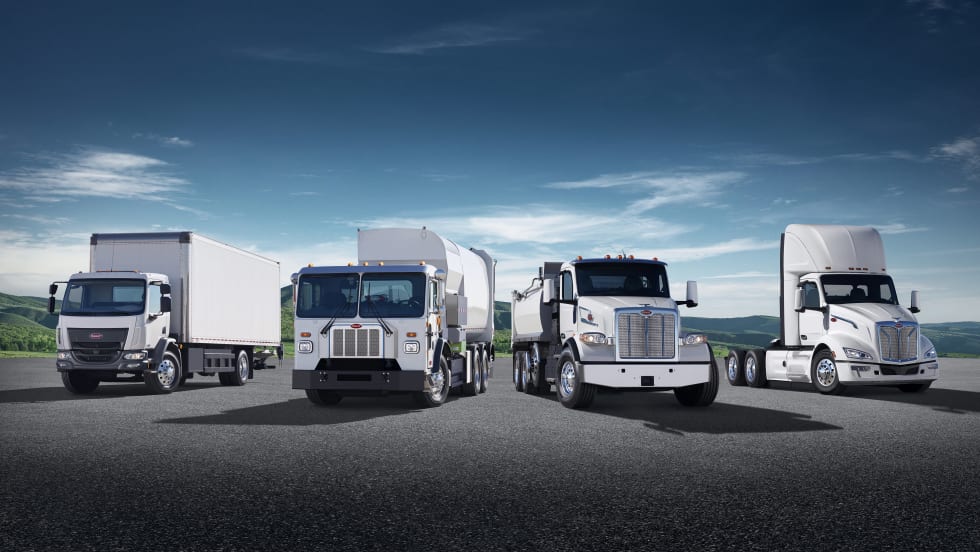
Peterbilt Expands Sourcewell Partnership with Electric Vehicle Lineup
The agreement aims to provide streamlined procurement of Peterbilt trucks for government, education, nonprofit and tribal organizations across the United States and Canada.
Read More →
EV Adoption & Charging Challenges
Where is your fleet in the journey of vehicle electrification? If you're still looking for answers to fleet electrification you've come to the right place.
Read More →
Hawaii Passes Clean Fuel Policy
Hawaii lawmakers passed clean fuel legislation that could support renewable natural gas production, biogas-powered transportation, and lower-carbon fueling options for public and commercial fleets.
Read More →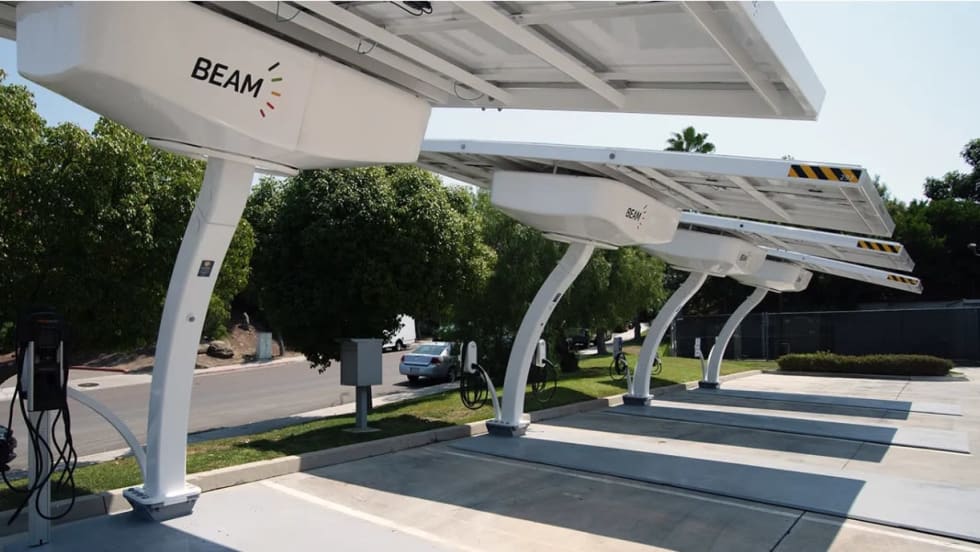
Stanislaus County Deploys Ten Beam Global EV ARC Systems to Support County Fleet Electrification
Stanislaus County deployed 10 off-grid solar-powered EV charging systems and a mobile charging trailer from Beam Global to support its electric fleet operations and emergency response flexibility.
Read More →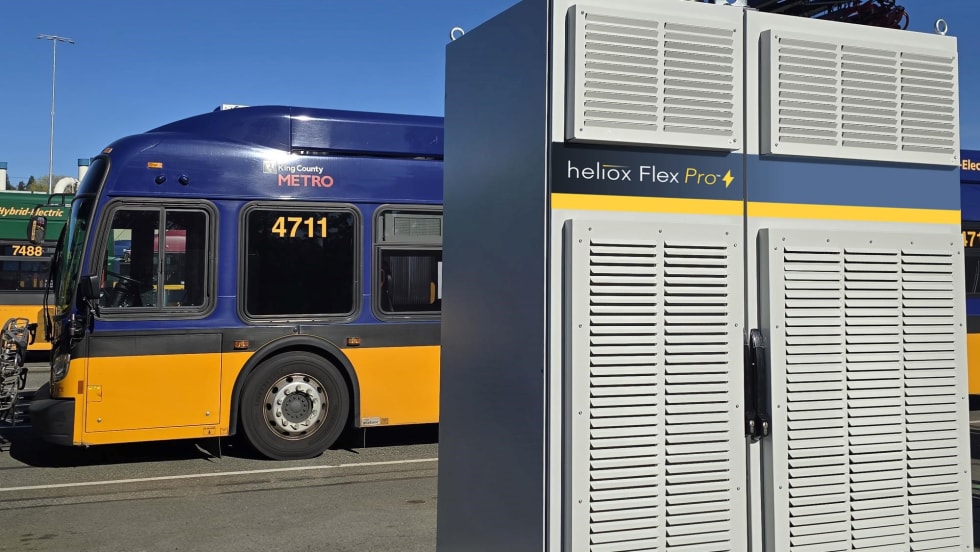
Heliox Pilots 480-kW Bus Charger with King County Metro
King County Metro is piloting Heliox’s new 480-kW Flex Pro charger to support expansion of its battery-electric bus fleet and depot charging infrastructure. The compact charging system supports pantograph and plug-in charging configurations for high-density transit operations.
Read More →