




Tulsa to Reduce Fleet Size by 22 Percent
TULSA, OK - The City of Tulsa also plans to consolidate six garage facilities down to four and purchase a new asset management system next year.
TULSA, OK – The City of Tulsa plans to right-size its fleet and create a Fleet Management Steering Committee, according to Vickie Beyer, director of the Management Review Office for the City of Tulsa. Both of these recommendations came from fleet consulting company CST Fleet Services. The Steering Committee would oversee vehicle acquisition and disposal, and set standards for new vehicle purchases.
The City of Tulsa owns 3,482 total vehicle and equipment assets, 2,572 of which are vehicles. According to Beyer, the initial study of fleet services came from a general review of the City, designed to find savings, by consulting company KPMG in 2010.
For its right-sizing effort, CST Fleet Services recommended the City reduce its fleet size by 22 percent, which would mean a reduction of roughly 565 vehicles.
“The under-utilized vehicle analysis was done by vehicle class, not department,” Beyer said. “Until the analysis is completed, we won’t know for certain which departments have underutilized vehicles. We suspect most departments have some vehicles that are underutilized.”
With the review by CST concluded and right-sizing and the Steering Committee formation efforts about to begin, Tulsa plans to make a number of additional major changes to its fleet operations in the future.
“Tulsa also has plans to expand the motor pool, explore consolidating six shops to four and implementing a second shift operation,” Beyer said. “By consolidating shops and expanding to a second shift, more bay space is available overall and preventive maintenance can be scheduled during shifts when vehicles are not being used.”
She said Tulsa will also upgrade its fleet asset management software within the next year, which will allow the City to improve its motor pool and fueling operations, track vehicle downtime better, and more actively manage shop floor operations.
Related to other policies designed to control costs associated with City-owned vehicles, City policies don’t allow for personal use of vehicles and take-home vehicle use is closely monitored.
“The mayor approves a roster of employees who are assigned take-home vehicles annually,” Beyer said. “All uniformed police officers are assigned a vehicle and may drive it home if they live within the City limits.”
By Greg Basich
More Maintenance

Freeing Technicians for Higher-Priority Repairs
Could paid interns help public fleets free up experienced technicians for more complex repairs?
Read More →
Stay ready, set and safer with verified fleet inspections
When fleet inspections aren’t verifiable, missed defects can quickly become downtime, safety risks, and service delays. This white paper shows government and municipal fleet leaders how digital inspections can improve accountability, catch issues earlier, and keep vehicles ready when they’re needed most.
Read More →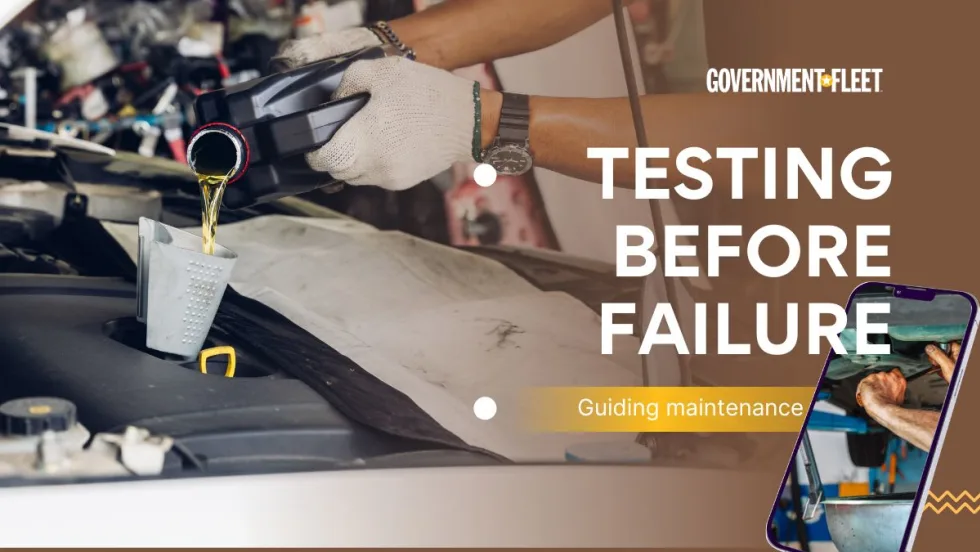
Using Oil Analysis to Help with Engine Losses
How a Texas city changed its lubrication practices and began tailoring preventive maintenance intervals after test results showed oil degradation and fuel dilution.
Read More →
Hidden in Plain Sight: Fleet Compliance Risks
Fleet compliance isn't just about having policies — it's about consistently enforcing them. This practical guide reveals six hidden compliance risks common in public sector and shared fleet operations and outlines proven strategies to improve visibility, accountability, and audit readiness.
Read More →
Is Your Fleet Garage Holding Back Your Operation? | The Fleet Breakroom
Norman Barrientos of Barrientos Design & Consulting explains how agencies can use operational data to show decision-makers why a replacement or major renovation is needed.
Read More →
Reducing Long-Term Maintenance Costs and Downtime
Downtime is rarely caused by a single surprise failure but rather by an issue that builds over time through setbacks ranging from deferred maintenance to poor replacement planning. So what's the fix?
Read More →
The Future of Government Fleet Technicians with Mike Cleary
Insight on preparing for hybrid and electric vehicle service, what fleets need to know about recruiting technicians in a competitive market, and how to make the most of limited training budgets.
Read More →
Work Orders Are More Than Records. They're a Roadmap to Fleet Availability
What if your work orders could predict failures, uncover hidden costs, and boost fleet availability? Here's how leading fleets are using the data.
Read More →
Drive More Profit with Greater Fleet Uptime
Fleet downtime costs money. JASPER helps keep vehicles on the road with quality remanufactured components, fast nationwide delivery, and reliable solutions that boost uptime and profitability.
Read More →
Smart Seasonal Maintenance Tips for Government Fleets
Government fleets carry extra weight, and routes, schedules, and public trust depend on reliability. A systematic spring checklist keeps vehicles in service when agencies need them most.
Read More →