




Three Virginia Fleets Switch to Biodiesel
RICHMOND, VA – The Town of Blacksburg, City of Roanoke, and Virginia Tech are converting their diesel fuel-powered public works and facilities vehicles and power equipment to biodiesel fuel — a cleaner-burning, renewable diesel fuel replacement made primarily from soybean oil.
RICHMOND, VA – The Town of Blacksburg, City of Roanoke, and Virginia Tech are converting their diesel fuel-powered public works and facilities vehicles and power equipment to biodiesel fuel — a cleaner-burning, renewable diesel fuel replacement made primarily from soybean oil, according to the Web site www.newswise.com. The biodiesel initiative is tied to the Town of Blacksburg and City of Roanoke’s membership in the International Council for Local Environmental Initiatives (ICLEI) — Local Governments for Sustainability. Members of ICLEI agree to complete a greenhouse gas emissions inventory, formulate an action plan for greenhouse gas mitigation, and implement the changes and monitor the resulting progress.
The City of Roanoke has converted 365 pieces of equipment — 100 percent of its diesel vehicles and equipment — to biodiesel. This includes school buses, trucks, fire trucks, front-end loaders, as well as assorted smaller equipment. The Town of Blacksburg plans to convert 100 percent of its Public Works Department diesel-powered fleet by August 2007. Virginia Tech will also convert the majority of its Physical Plant Operations fleet to biodiesel by August.
The City of Roanoke began using B-2 biodiesel fuel in December 2006 in diesel-powered fleet vehicles and Roanoke City School buses. B-2 is a blending of two percent biodiesel and 98 percent diesel fuel.
Virginia Tech will work closely with the Town of Blacksburg in support of the Cool Cities Coalition initiative. Combined, the Town of Blacksburg and Virginia Tech will convert more than 70 diesel-fueled vehicles and equipment to B-20 biodiesel fuel — a blend of 20 percent by volume biodiesel with 80 percent by volume petroleum diesel, according to the Web site www.newswise.com. Virginia Tech plans to convert approximately 20 vehicles used by Physical Plant Operations to biodiesel fuel by August 2007. In addition, the university plans to convert some off-road equipment (large lawn mowers, for example) once the conversion of these vehicles is complete. Initially, Virginia Tech will fuel its newly converted biodiesel vehicles and equipment at the Town of Blacksburg’s fuel tank. Webb Oil Corporation of Roanoke will supply B-20 biodiesel fuel to the town and the university.
The Town of Blacksburg will convert more than 50 fleet vehicles and equipment to B-20 biodiesel. The Town plans to utilize an existing compartmentalized 10,000 gallon above ground fuel storage tank with two 5,000 gallon storage sections and separate dispensing pumps for the biodiesel initiative, with one 5,000 gallon section dedicated to biodiesel fuel and the other to diesel. The town is also considering a proposal to convert Blacksburg Transit (BT) vehicles to the alternative fuel source. BT will initiate a pilot project with one van this summer and a bus in August, before deciding to convert the entire fleet.
More Operations
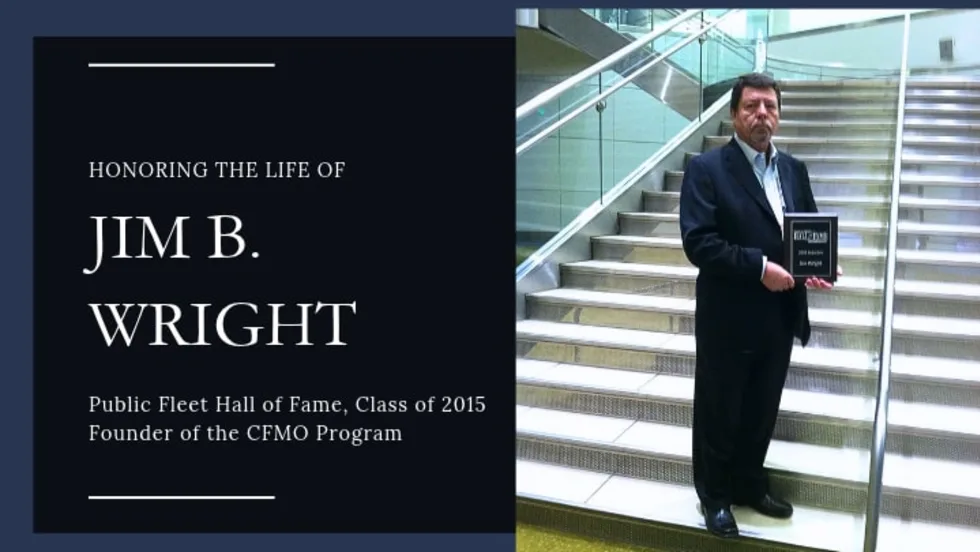
Remembering Jim Wright, Public Fleet Hall of Famer and CFMO Founder
James 'Jim' B. Wright, who founded the Certified Fleet Management Organization (CFMO) program and guided it for many years, died Wednesday evening, Nov. 18.

What Fleet Metrics Can Miss, Plus 2027 Police Vehicle Tests and Awards
What could a healthy-looking fleet metric be hiding? This week’s roundup looks at when to dig deeper, how 2027 patrol vehicles performed in preliminary tests, and how to apply for the Police Fleet Innovators Award.

What Can Disappear After a Fleet Crash?
This week, we look at drone footage, what fleets should document before repairs begin, and share a quick poll.

Does Your Government Fleet Handle Refuse and Waste Operations? Take Our Poll
Government Fleet wants to hear from public-sector fleet professionals about their responsibilities for refuse collection and waste management equipment.

Fleet Replacement Decisions, Waste Fleet Technology and the GFX Deadline
Is your next vehicle the right fit, can your records settle a missed pickup dispute, and what could your fleet teach others at GFX 2027?

Is Delaying Fleet Replacement Really Saving Money?
Could delaying replacement cost your fleet more than it saves? This week’s recap takes a closer look, plus an update on GFX 2027.

What Government Fleets Are Missing About Their True Costs
What are fleet budgets missing, and how can agencies use the data they already collect to make a stronger case for change?

Rethinking Fleet Decisions From the Budget Office to the Shop
This October we looked back at how public fleets are reconsidering familiar processes and using what they learn to make better decisions.

Who Owns the Message on a Refuse Truck?
Refuse trucks can carry public messages into neighborhoods, but keeping those messages current takes planning and clear responsibility.

Who Deserves Fleet Recognition and What Could You Teach at GFX?
Who helped shape your fleet career, and what have you learned that could help someone else?