




Tennessee Dept. of General Services Outsources Fleet Maintenance
NASHVILLE - Government Fleet spoke with DGS’ Commissioner Steven Cates about why his department decided to outsource fleet maintenance and how DGS will maintain its fleet going forward.
NASHVILLE – The State of Tennessee’s Department of General Services (DGS) has outsourced its fleet maintenance to a vendor with a national maintenance program. In addition, DGS has also started a vehicle leasing program when the department determined that the cost of reimbursing State employees was higher than leasing.
Government Fleet spoke with DGS’ Commissioner Steven Cates about why his department decided to outsource fleet maintenance and how DGS will maintain its fleet going forward.
“We came into office in early January. The governor asked each of the commissioners to do a top-to-bottom review,” Cates said. “Within my department of General Services, that’s basically 9 or 10 divisions, and I like to look at them as businesses. The first one that we looked at was Motor Vehicle Management.”
Cates said the maintenance costs, on a per-mile basis, were high, which led to a request for information (RFi) from potential maintenance vendors. DGS calculates maintenance costs by dividing the total maintenance expense by the total miles driven.
According to documents provided by DGS, its Motor Vehicle Management (MVM) division oversees 2,406 light- and heavy-duty vehicles.
“We looked at what our maintenance costs for the previous year had been,” Cates said. “It was running about $0.079 per mile. We were doing most of this [maintenance] in in-house in State garages, mixing in some vendors if there wasn’t a garage close by. There was really no uniform cost for maintenance. What we decided to do was an RFI meeting with major vehicle maintenance suppliers in Tennessee to find out if there was any interest in providing maintenance services.”
Cates said DGS sent out an invitation to bid and received an estimated cost from one of the bidding vendors of $0.051 per mile. In going through this process, DGS underwent a round of layoffs in its Motor Vehicle Management (MVM) department.
“What we have done is outsourced that task and eliminated seven positions that had salaries and benefits annually of $243,550,” Cates said.
Although the vendor-provided cost was lower than DGS’ in-house maintenance costs, Cates said the department was able to generate revenue by selling facilities used, or planned for use, as fleet garages.
“What it also allowed us to do was eliminate the annual cost of the facility that General Services was being charged, which was about $126,425 annually," Cates said. "That eliminated the need for the building as a whole, so now we can sell the building, and we estimate its value is $3.3 million. More importantly, there had been a plan to build a brand-new maintenance garage at a building we owned, and that eliminated spending of about $1.2 million. We not only eliminated our annual cost, but we were able to sell off some significant assets to add that back to our general fund.”
Cates said that because the vendor providing maintenance has locations statewide, it makes it easier for DGS' employees to get in and out of various locations.
"They also have good record-keeping, which they will share with us," Cates said. "That will hopefully allow us to have better maintained, more fuel-efficient vehicles."
DGS Begins Vehicle Leasing Program
In addition to outsourcing fleet maintenance, DGS began a vehicle leasing program with Mears Leasing. DGS’ MVM department will be coordinating the leasing program.
“The other program that we started was a pilot project with 500 vehicles,” Cates explained. “We looked at reimbursement to State employees who were driving their own vehicles. We identified the 500 who were receiving large reimbursements, who were driving a lot of miles across the State, and we started the leasing program with them. With fuel and everything, [the leasing program] will end up being about 32 cents per mile. At that time, the reimbursement rate was 46 cents. There were significant savings with doing the leasing program.”
Cates said DGS could expand the program, but that it doesn’t plan to do that until it has more data.
“We’re going to take a year to look at the data and possibly expand it,” Cates said. “We think there is certainly an application for lease programs in a lot of areas. We’re looking at several right now as well. If you have limited resources, the lease appears to make a lot of sense. Particularly as your fleet grows older, your maintenance costs go up; we can rotate them every 36 months and keep our fuel costs down.”
By Greg Basich
More Maintenance

Freeing Technicians for Higher-Priority Repairs
Could paid interns help public fleets free up experienced technicians for more complex repairs?
Read More →
Stay ready, set and safer with verified fleet inspections
When fleet inspections aren’t verifiable, missed defects can quickly become downtime, safety risks, and service delays. This white paper shows government and municipal fleet leaders how digital inspections can improve accountability, catch issues earlier, and keep vehicles ready when they’re needed most.
Read More →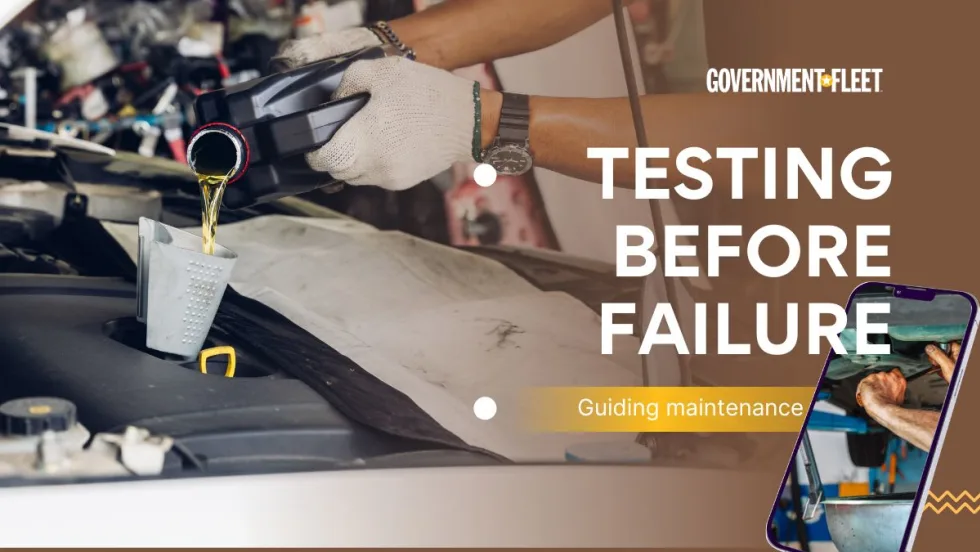
Using Oil Analysis to Help with Engine Losses
How a Texas city changed its lubrication practices and began tailoring preventive maintenance intervals after test results showed oil degradation and fuel dilution.
Read More →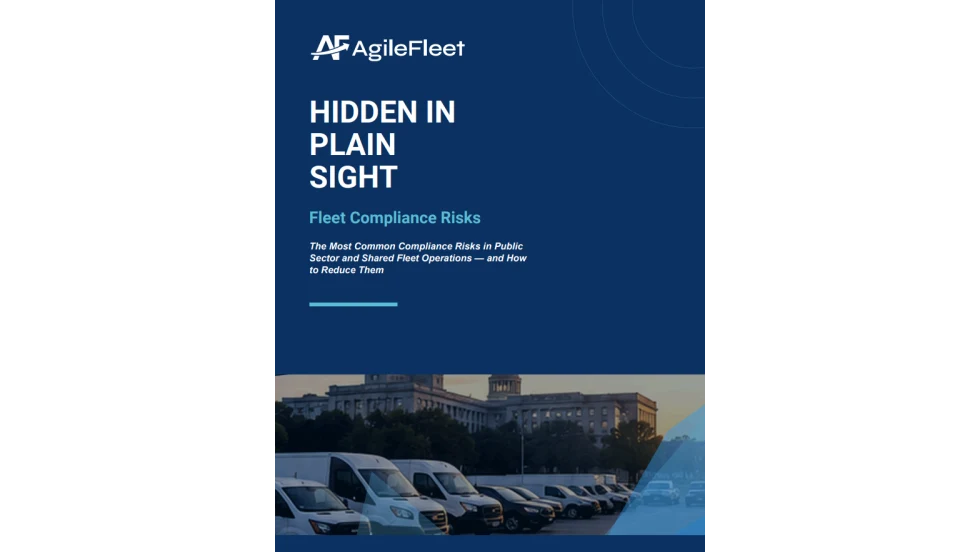
Hidden in Plain Sight: Fleet Compliance Risks
Fleet compliance isn't just about having policies — it's about consistently enforcing them. This practical guide reveals six hidden compliance risks common in public sector and shared fleet operations and outlines proven strategies to improve visibility, accountability, and audit readiness.
Read More →
Is Your Fleet Garage Holding Back Your Operation? | The Fleet Breakroom
Norman Barrientos of Barrientos Design & Consulting explains how agencies can use operational data to show decision-makers why a replacement or major renovation is needed.
Read More →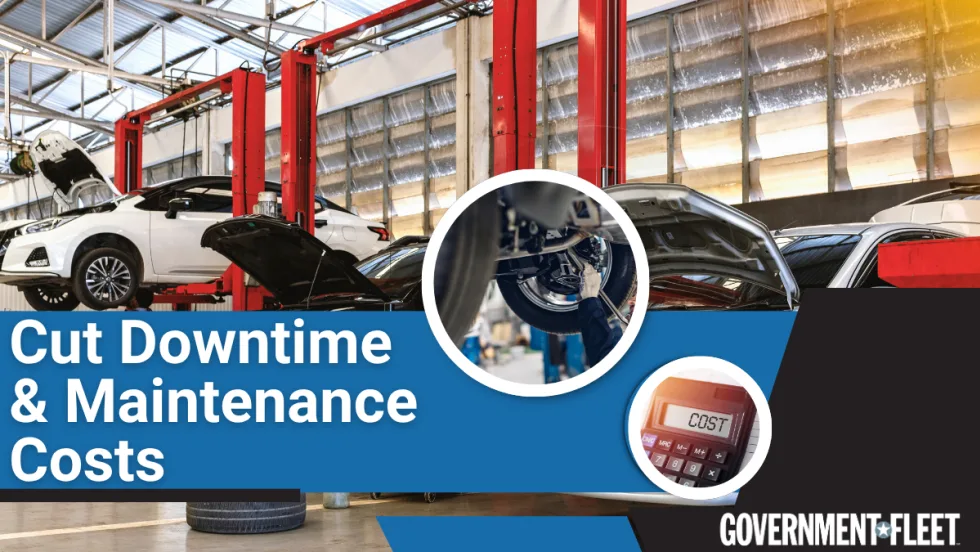
Reducing Long-Term Maintenance Costs and Downtime
Downtime is rarely caused by a single surprise failure but rather by an issue that builds over time through setbacks ranging from deferred maintenance to poor replacement planning. So what's the fix?
Read More →
The Future of Government Fleet Technicians with Mike Cleary
Insight on preparing for hybrid and electric vehicle service, what fleets need to know about recruiting technicians in a competitive market, and how to make the most of limited training budgets.
Read More →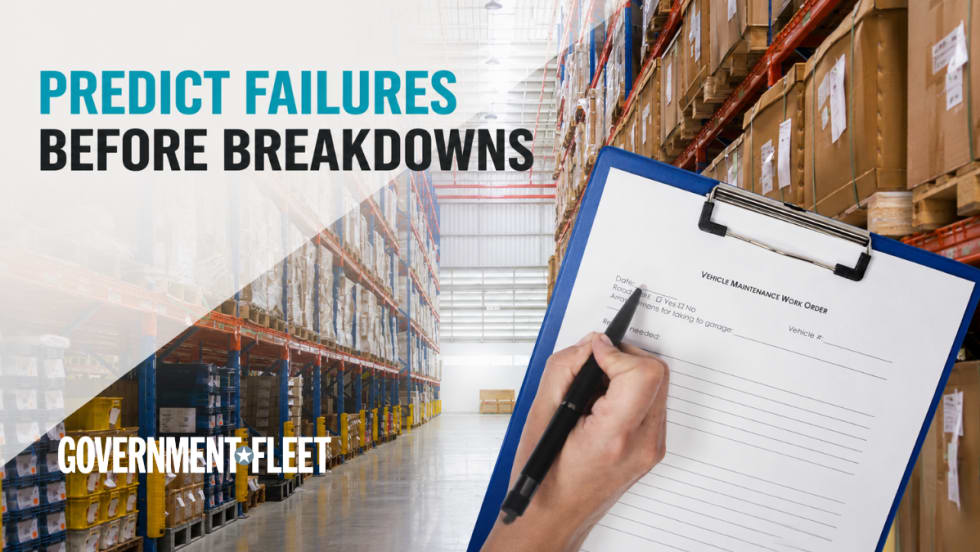
Work Orders Are More Than Records. They're a Roadmap to Fleet Availability
What if your work orders could predict failures, uncover hidden costs, and boost fleet availability? Here's how leading fleets are using the data.
Read More →
Drive More Profit with Greater Fleet Uptime
Fleet downtime costs money. JASPER helps keep vehicles on the road with quality remanufactured components, fast nationwide delivery, and reliable solutions that boost uptime and profitability.
Read More →
Smart Seasonal Maintenance Tips for Government Fleets
Government fleets carry extra weight, and routes, schedules, and public trust depend on reliability. A systematic spring checklist keeps vehicles in service when agencies need them most.
Read More →