




Smithsonian Institution Moves to New Vehicle Repair Facility
SUITLAND, MD - The Smithsonian Institution's fleet division moved into a brand-new 17,000 sq. ft. building just outside Washington D.C. The $4.2 million facility replaces and consolidates the federal agency's previous three maintenance facilities.
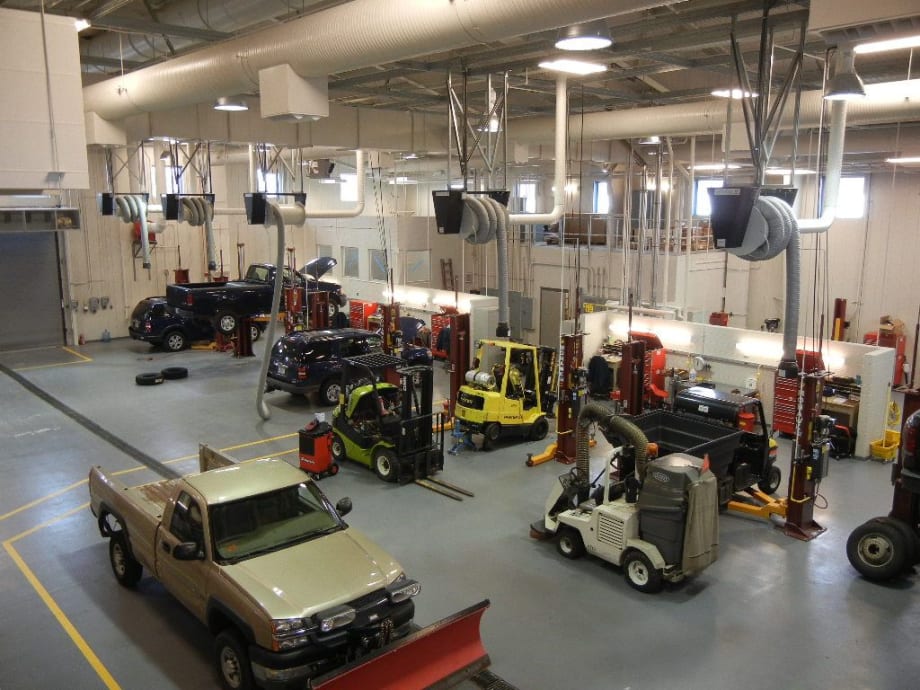
The new facility has nine light-duty repair bays.
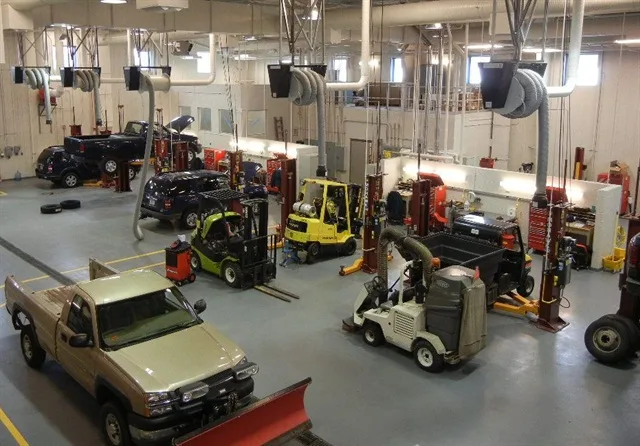
The new facility has nine light-duty repair bays.
SUITLAND, MD - The Smithsonian Institution's Vehicle Repair Shop moved into a brand new 14,000 sq. ft. building in Suitland, Md., just outside Washington D.C., on December 2011. The $4.7 million facility replaces and consolidates the federal agency's previous maintenance facilities. It has nine light-duty bays with above-ground lifts, a heavy-duty bay for trucks and buses with mobile lifts, a small engine section for small engine repairs, and a wash bay according to Bill Griffiths, transportation branch chief for the Smithsonian.
The facility is located about six miles from downtown Washington D.C. "The campus that we're on is one of the Smithsonian's central storage and research facilities, and easily accessible from downtown. A number of vehicles and fleet equipment are garaged or housed here each day," Griffiths said.
In requesting congressional funding for the facility, Griffiths said his team had to demonstrate that his operation was more cost-effective and efficient than contracted services, which he was able to prove through reports and data from their fleet management information system. Griffiths also proposed environmentally friendly initiatives such as alt-fuel fueling stations, aqueous-based parts washers, a nitrogen tire inflation system, and other "green" maintenance processes.
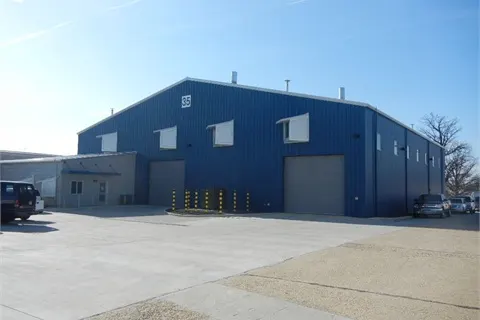
The Smithsonian Insitution's new vehicle repair shop is located in a 14,000 sq. ft. building.
The facility has a fueling island, one of four the Smithsonian manages. Some features of the new facility include; Level 2 electric vehicle charging stations, a compressed natural gas (CNG) fast-fill station, and WiFi internet. Griffiths said having WiFi capability in the facility has completely improved operations by eliminating the paper-based work order processes, and increased technician efficiencies by providing them wireless diagnostic tools and Web-based parts and service manuals.
By Thi Dao
More Maintenance

Hidden in Plain Sight: Fleet Compliance Risks
Fleet compliance isn't just about having policies — it's about consistently enforcing them. This practical guide reveals six hidden compliance risks common in public sector and shared fleet operations and outlines proven strategies to improve visibility, accountability, and audit readiness.
Read More →
Is Your Fleet Garage Holding Back Your Operation? | The Fleet Breakroom
Norman Barrientos of Barrientos Design & Consulting explains how agencies can use operational data to show decision-makers why a replacement or major renovation is needed.
Read More →
Reducing Long-Term Maintenance Costs and Downtime
Downtime is rarely caused by a single surprise failure but rather by an issue that builds over time through setbacks ranging from deferred maintenance to poor replacement planning. So what's the fix?
Read More →
The Future of Government Fleet Technicians with Mike Cleary
Insight on preparing for hybrid and electric vehicle service, what fleets need to know about recruiting technicians in a competitive market, and how to make the most of limited training budgets.
Read More →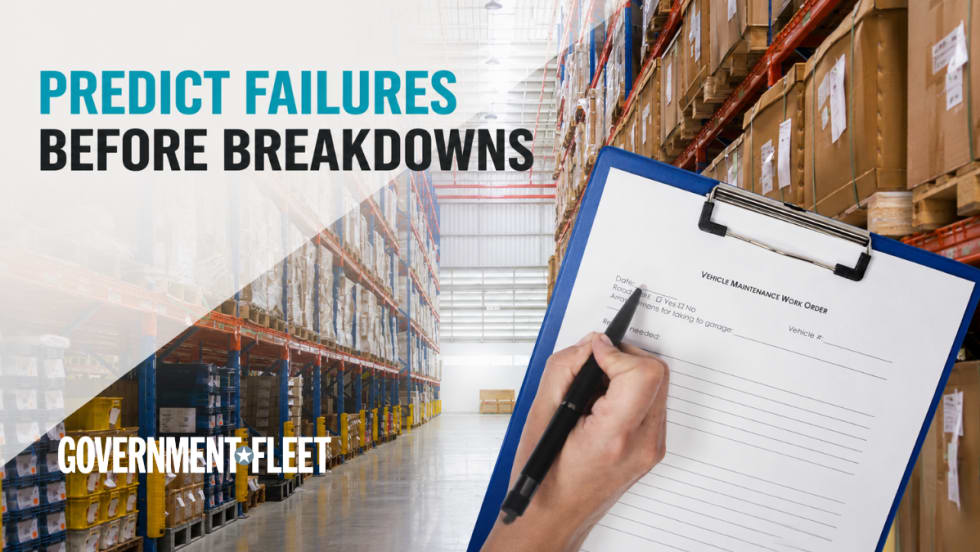
Work Orders Are More Than Records. They're a Roadmap to Fleet Availability
What if your work orders could predict failures, uncover hidden costs, and boost fleet availability? Here's how leading fleets are using the data.
Read More →
Drive More Profit with Greater Fleet Uptime
Fleet downtime costs money. JASPER helps keep vehicles on the road with quality remanufactured components, fast nationwide delivery, and reliable solutions that boost uptime and profitability.
Read More →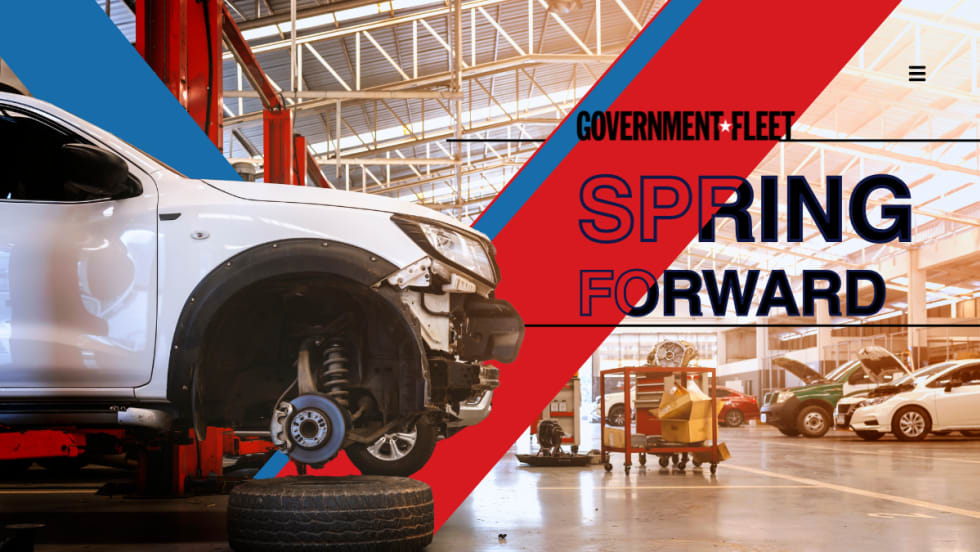
Smart Seasonal Maintenance Tips for Government Fleets
Government fleets carry extra weight, and routes, schedules, and public trust depend on reliability. A systematic spring checklist keeps vehicles in service when agencies need them most.
Read More →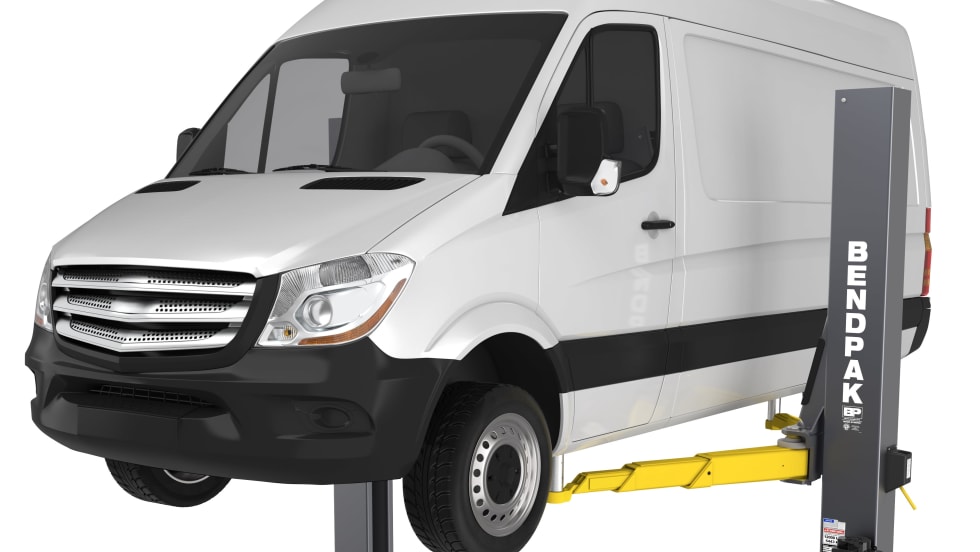
BendPak Debuts 12APF Two-Post Lift for Tall Vehicles in Low-Ceiling Shops
New 12,000-lb. open-top lift designed for commercial vans, trucks, SUVs, and fleet vehicles
Read More →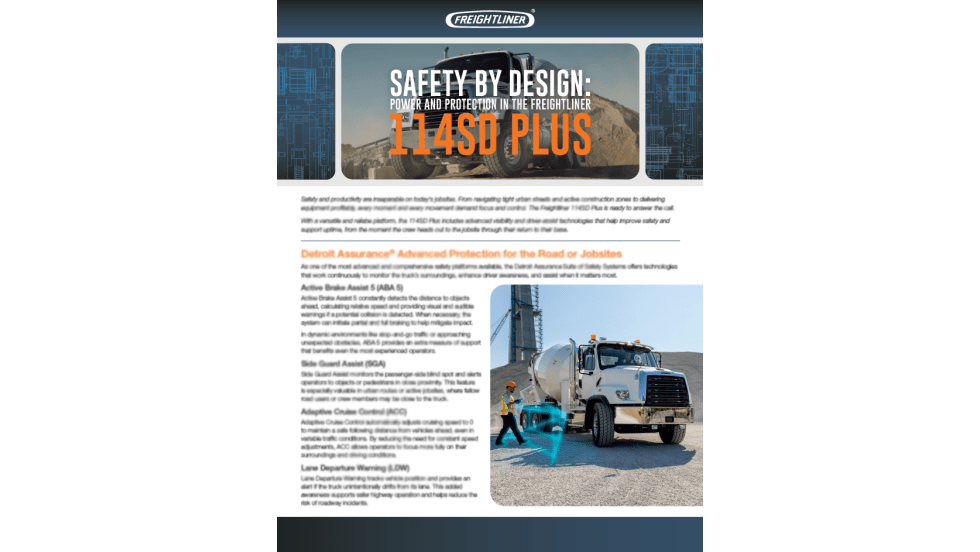
Reducing Risk and Improving Safety in Public Sector Fleets with Advanced Driver-Assist Technology
Public sector fleets face increasing pressure to improve safety, reduce liability, and operate efficiently. See how advanced vehicle technologies are helping agencies protect drivers, the public, and their budgets.
Read More →
Fleetio Launches AI Service Advisor to Simplify and Accelerate Fleet Maintenance Approvals
Fleetio launched an open beta of its AI-powered Service Advisor tool, designed to help fleet managers streamline repair approvals and reduce vehicle downtime.
Read More →