




Seattle’s Motor Pool Project Reduces Fleet, Saves Customers Money
SEATTLE - Seattle's motor pool project has resulted in the reduction of 21 assigned vehicles, replacement of 26 motor pool vehicles with all-electric Nissan Leafs, and more convenient and efficient motor pool operations.
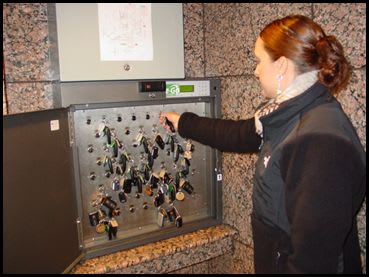
Seattle's new KeyValet system with key boxes allows for automated key pickup, reducing staff time needed to manage motor pool vehicle keys.
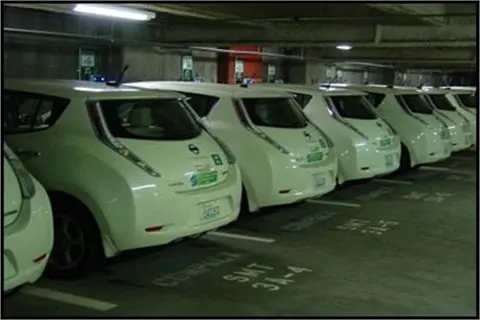
The City of Seattle replaced 26 existing motor pool vehicles with all-electric Nissan Leafs.
SEATTLE – The City of Seattle launched its e-Go Motor Pool Project in 2011, an effort to eliminate underutilized city vehicles, maximize the use of shared vehicles, and reduce greenhouse gas emissions. The project has resulted in the reduction of 21 assigned vehicles, replacement of 26 motor pool vehicles with all-electric Nissan Leafs, and more convenient and efficient motor pool operations.
Prior to e-Go, the Fleet Management Division operated a centralized motor pool in one of the municipal garages downtown. The pool consisted of 72 vehicles, which included gasoline and hybrid subcompacts and SUVs, passenger and cargo vans, bicycles, and Segways. Employees made vehicle reservations online, via phone, or in-person at the motor pool office. However, this process was labor intensive, as one or two employees were always required to support the phone line and issue keys, according to the fleet division.
The program’s first step was a utilization study, which enabled fleet management to identify underutilized vehicles and encourage user departments to turn them in and use motor pool vehicles. This resulted in the elimination of 21 department-assigned vehicles at the end of their life cycles, which were sold at auction for about $100,000. In addition, this saved City departments approximately $60,000 in annual lease rates that covered maintenance and capital replacement costs.
The fleet then moved 51 motor pool vehicles from its downtown location to a second parking garage where the majority of City employees worked. This allowed for easier access to vehicles where they were needed. The fleet implemented the AssetWorks KeyValet motor pool software reservation system and installed key boxes at both motor pool locations. Automated key pickup allowed the City to develop the second motor pool location without additional labor, and it was able to reallocate existing motor pool labor resources to other priorities.
The fleet determined that motor pool usage, usually 10-20 miles per trip, was ideally suited for electric vehicles, which have a range of up to 100 miles per charge. The City installed 26 electric vehicle charging stations at the second motor pool location using American Recovery & Reinvestment Act (ARRA) grant funding. It also replaced 26 existing motor pool vehicles with Nissan Leafs.
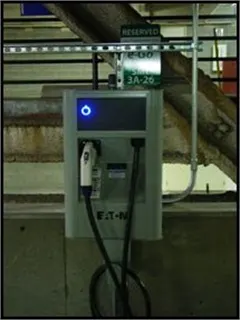
The City of Seattle installed 26 electric vehicle charging stations at its second motor pool location.
The final steps were to educate the public and to monitor customer satisfaction and emissions reduction. The fleet division completed education and marketing through a new e-Go logo, training sessions on how to use the new charging stations, and a press conference with City officials to introduce the project and the Leafs to the public. Nearly one year after the fleet launched the e-Go program, it conducted a customer service survey, receiving mostly positive feedback. The fleet also reported as of March, the Leafs had traveled a total of nearly 50,000 miles, representing a reduction of more than 1,225 gallons of petroleum fuel and 15 tons of greenhouse gas emissions.
As a result of the success of the e-Go project, the City is considering a pilot program with Zipcar to establish additional smaller motor pools in other areas of the City where smaller groups of employees work, the fleet stated.
The City of Seattle Fleet Management Division manages more than 4,000 vehicles and pieces of equipment. Seattle was named the No. 1 Government Green Fleet in North America in 2010.
Visit AssetWorks at booth #111 at GFX.
More Green Fleet

Sustainability Partners, Energy Systems Group Help Albuquerque Close the Gap on its 100% Renewable Energy Goal
The eight-site, 6 MW solar project has advanced the city toward 100% renewable energy for municipal operations.
Read More →
Port Authority and CALSTART Launch $45 Million Electric Truck and Charging Programs
The programs aim to boost sustainable operations across the East Coast's busiest seaport.
Read More →
Moving Government Fleets Beyond the Vehicle Purchase: EV as a Service
A discussion on how EVaaS is moving beyond pilot programs and what fleets should consider before beginning a larger deployment.
Read More →
Moving Government Fleets Beyond the Vehicle Purchase: EV as a Service
As fleets move beyond small EV pilots, Sustainability Partners CEO Adam Cain explains how EVaaS can address the infrastructure and long-term planning required for larger deployments.
Read More →
Peterbilt Expands Sourcewell Partnership with Electric Vehicle Lineup
The agreement aims to provide streamlined procurement of Peterbilt trucks for government, education, nonprofit and tribal organizations across the United States and Canada.
Read More →

EV Adoption & Charging Challenges
Where is your fleet in the journey of vehicle electrification? If you're still looking for answers to fleet electrification you've come to the right place.
Read More →
Hawaii Passes Clean Fuel Policy
Hawaii lawmakers passed clean fuel legislation that could support renewable natural gas production, biogas-powered transportation, and lower-carbon fueling options for public and commercial fleets.
Read More →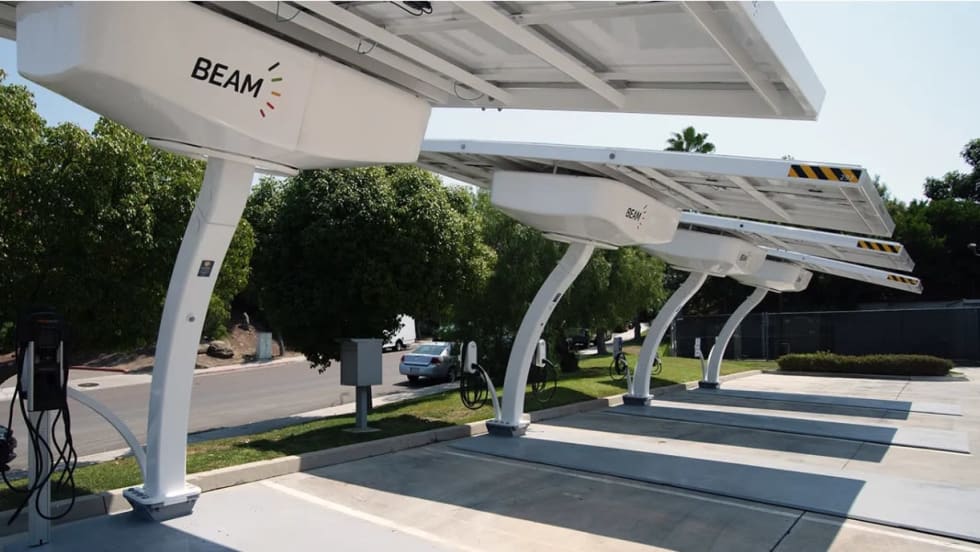
Stanislaus County Deploys Ten Beam Global EV ARC Systems to Support County Fleet Electrification
Stanislaus County deployed 10 off-grid solar-powered EV charging systems and a mobile charging trailer from Beam Global to support its electric fleet operations and emergency response flexibility.
Read More →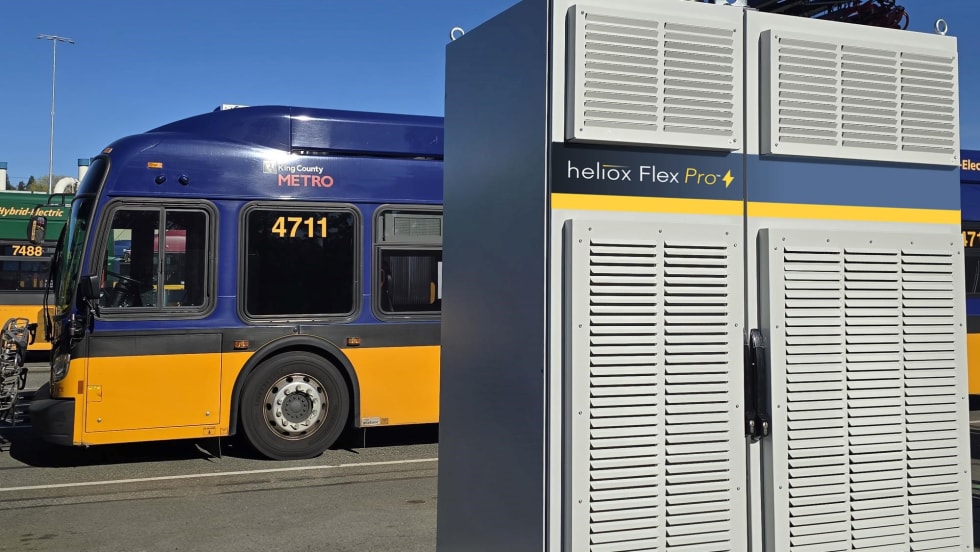
Heliox Pilots 480-kW Bus Charger with King County Metro
King County Metro is piloting Heliox’s new 480-kW Flex Pro charger to support expansion of its battery-electric bus fleet and depot charging infrastructure. The compact charging system supports pantograph and plug-in charging configurations for high-density transit operations.
Read More →