




Seattle Named No. 1 Government Green Fleet
Use of alternative fuels and advanced technology vehicles, as well as fuel reduction strategies and a Green Fleet coordinator, are some reasons the City of Seattle was recognized as the No. 1 Government Green Fleet in North America.
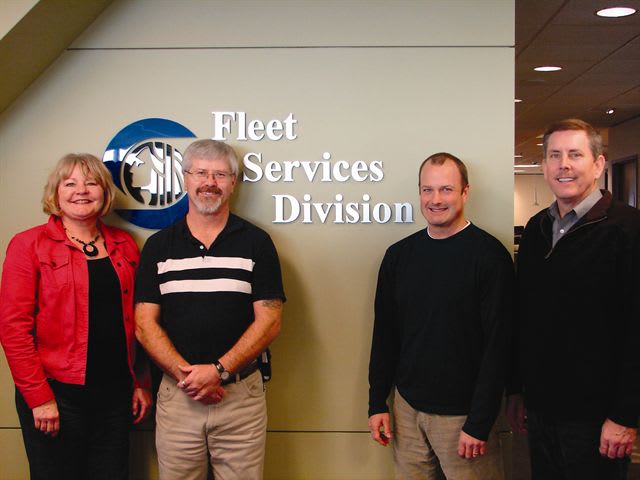
Seattle’s fleet team includes (l-r) Nanci Lien, fleet administration manager; Ken Bailey, vehicle maintenance director; Chris Wiley, Green Fleet coordinator; and Dave Seavey, Fleet Services director.
The City of Seattle recently earned the distinction of being selected as the No. 1 Government Green Fleet in North America, announced at the Green Fleet Conference in October 2010. A total of 40 government fleets were recognized.
The City's Green Fleet program was recognized for its excellent integration of alternative fuels into existing operations and comprehensive examination of where and how petroleum reduction policies and procedures could impact the fleet.
"The fleets in the contest are among the best in the country, and they all have a measurable and real commitment to greening and sustainability. To be the No. 1 fleet shows a superior effort to green the fleet from top to bottom," said Rhea Courtney Bozic of Clean Fuels Consulting, one of the contest judges.
Implementing Alternative Fuels
Seattle was an early adopter of biodiesel and compressed natural gas (CNG) and is currently negotiating a long-term contract for more than 1 million annual gallons of B-20 biodiesel derived from waste vegetable oil. The Environmental Protection Agency (EPA) has identified waste vegetable oil biodiesel as the lowest carbon-intense transportation fuel for diesel vehicles. The City is also investing in using electricity as a transportation fuel, a viable, low-carbon option for fleet operations.
Utilizing Advanced Technology Vehicles
Seattle operates 569 gas/electric hybrid vehicles and 12 diesel/electric medium-duty work trucks. The City is also currently installing the charging infrastructure to support the largest municipal all-electric motor pool fleet, which will consist of 26 Nissan Leaf vehicles. In addition, electric drivetrains are used in material handling equipment, campus maintenance equipment, utility meter reading, and parking enforcement.
Standardizing Fuel Reduction Policies
The City's Green Fleet Action Plan has guided fleet decisions since 2003. The City also has operational policies - idling, downsizing, right-sizing, and weight limitations - that set standards for fleet size and operator expectations. These policies and plans have resulted in the reduction of more than 100,000 gallons of fuel in four of the City's largest departments since 2008.
Increasing Operational Efficiencies
One of the unique features of the City's Green Fleet program is that the Green Fleet coordinator helps City departments evaluate how to deliver services more efficiently. Analyzing how a department delivers service provides great opportunities for fuel reduction, downsizing, and right-sizing of the fleet.
Promoting Education and Outreach
Information exchange is the hallmark of any successful program and to ensure employees stay informed, the City publishes a semi-annual Green Fleet newsletter and holds bi-monthly departmental fleet coordinator meetings. Fleet coordinators are representatives of the six largest City departments and are tasked with keeping departmental staff knowledgeable about Green Fleet efforts.
Click here for a complete list of the 40 government green fleets.
About the Author
Chris Wiley is Green Fleet coordinator for the City of Seattle. He can be reached at Chris.Wiley@seattle.gov.
More Green Fleet
Sustainability Partners, Energy Systems Group Help Albuquerque Close the Gap on its 100% Renewable Energy Goal
The eight-site, 6 MW solar project has advanced the city toward 100% renewable energy for municipal operations.
Read More →
Port Authority and CALSTART Launch $45 Million Electric Truck and Charging Programs
The programs aim to boost sustainable operations across the East Coast's busiest seaport.
Read More →
Moving Government Fleets Beyond the Vehicle Purchase: EV as a Service
A discussion on how EVaaS is moving beyond pilot programs and what fleets should consider before beginning a larger deployment.
Read More →
Moving Government Fleets Beyond the Vehicle Purchase: EV as a Service
As fleets move beyond small EV pilots, Sustainability Partners CEO Adam Cain explains how EVaaS can address the infrastructure and long-term planning required for larger deployments.
Read More →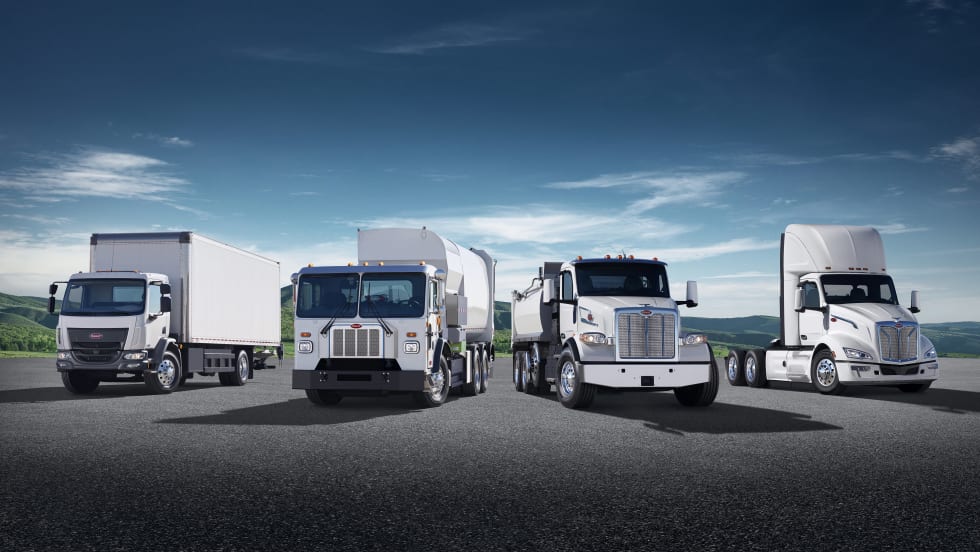
Peterbilt Expands Sourcewell Partnership with Electric Vehicle Lineup
The agreement aims to provide streamlined procurement of Peterbilt trucks for government, education, nonprofit and tribal organizations across the United States and Canada.
Read More →
EV Adoption & Charging Challenges
Where is your fleet in the journey of vehicle electrification? If you're still looking for answers to fleet electrification you've come to the right place.
Read More →
Hawaii Passes Clean Fuel Policy
Hawaii lawmakers passed clean fuel legislation that could support renewable natural gas production, biogas-powered transportation, and lower-carbon fueling options for public and commercial fleets.
Read More →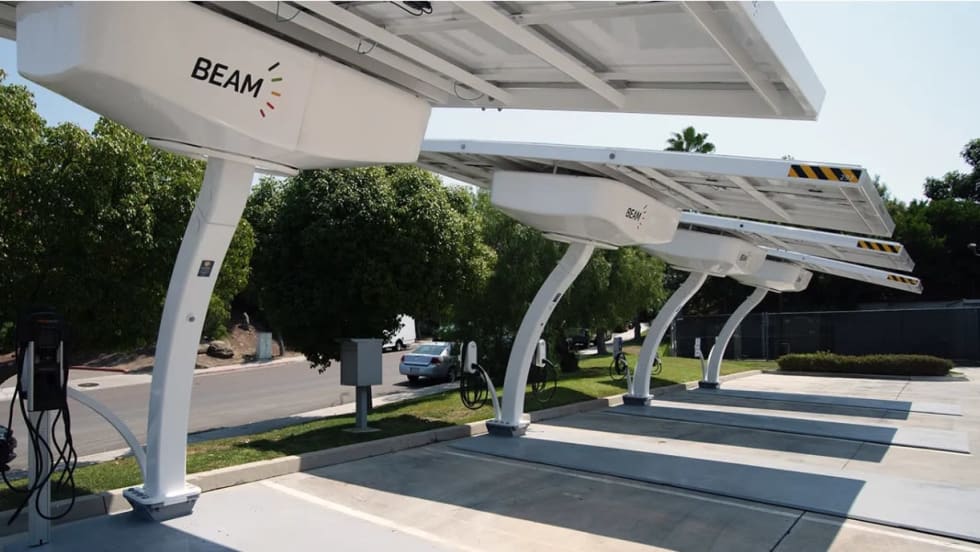
Stanislaus County Deploys Ten Beam Global EV ARC Systems to Support County Fleet Electrification
Stanislaus County deployed 10 off-grid solar-powered EV charging systems and a mobile charging trailer from Beam Global to support its electric fleet operations and emergency response flexibility.
Read More →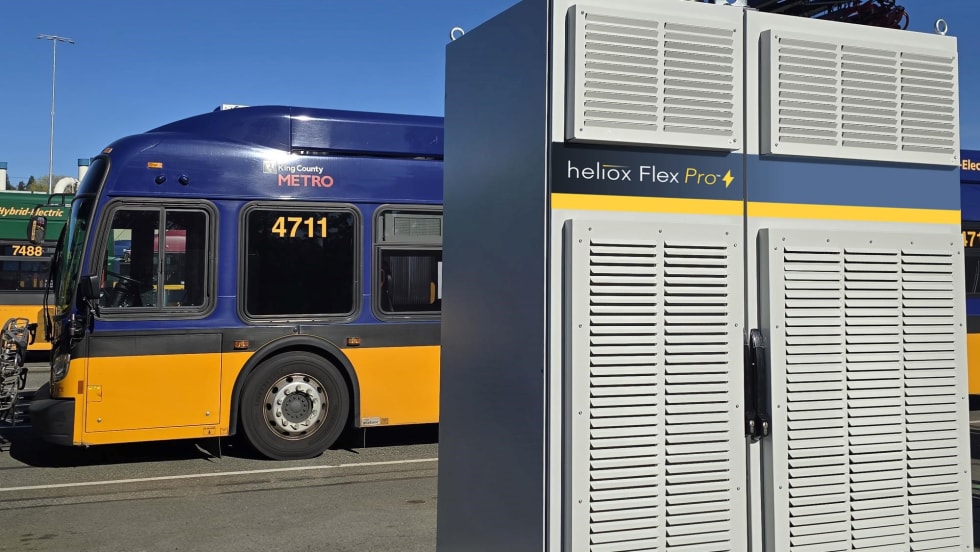
Heliox Pilots 480-kW Bus Charger with King County Metro
King County Metro is piloting Heliox’s new 480-kW Flex Pro charger to support expansion of its battery-electric bus fleet and depot charging infrastructure. The compact charging system supports pantograph and plug-in charging configurations for high-density transit operations.
Read More →