




Santa Clara County Opens New Fleet Facility
SAN JOSE, CA - The County of Santa Clara, Calif., held a grand opening ceremony on September 16 to celebrate the completion of its new fleet facility in San Jose. The facility consolidates the previous three fleet sites and incorporates new technologies to improve the quality of County fleet services.
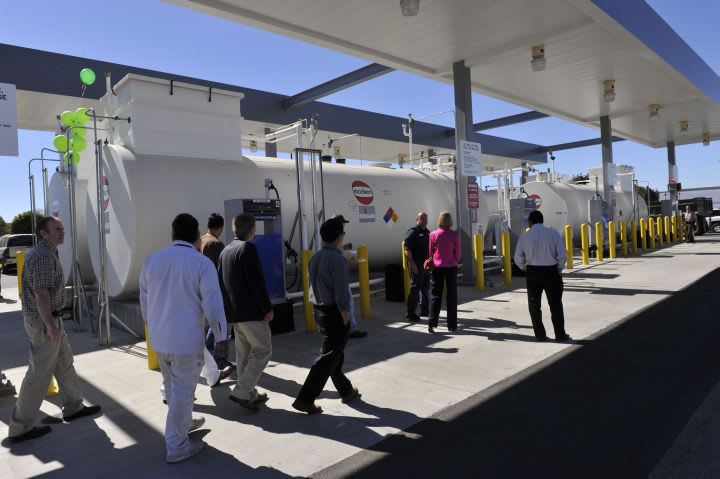
The County of Santa Clara, Calif., held a grand opening ceremony on September 16 for its new fleet facility.
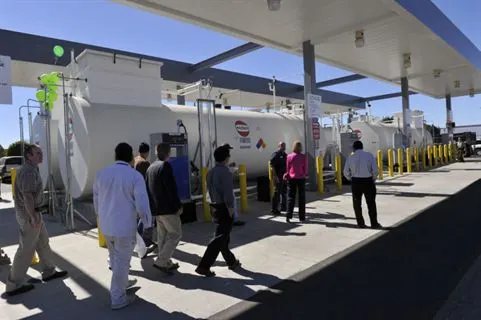
SAN JOSE, CA - The County of Santa Clara, Calif., held a grand opening ceremony on September 16 to celebrate the completion of its new fleet facility in San Jose. The facility consolidates the previous three fleet sites and incorporates new technologies to improve the quality of County fleet services. The cost of the new facility is approximately $24 million. The project is a part of the County's long-term Capital Improvements Plan which was funded by Bond issuances, according to a release from the county.
"County Fleet plays an important role in making sure that the public service vehicles are well maintained," said President Ken Yeager, County of Santa Clara Board of Supervisors. "Consolidating the three sites into one central facility improves operational efficiencies and reduces overhead expenses."
The County Fleet provides comprehensive maintenance and repair for the 1,700 County vehicles and equipment used for public services, including inmate transportation, street cleaning, animal control, Civil Grand Jury transportation, and Public Health Medical, and Dental Mobile Clinics.
The new facility provides the room and capacity for more productive time shifts, allowing staff to maintain an increased work flow at less cost. Prior to the acquisition and renovation of the new facility, the County Fleet maintenance operations were housed at three different locations, all with inadequate capacities, according to the release. As a result, there were limited shifts, especially at night, to service and repair first-response Sheriff and Roads vehicles. This has been a challenge for County Fleet as repairing vehicles during night hours is critical during the winter months when specific equipment is needed for emergency clearing of mudslides and other debris from roadways.
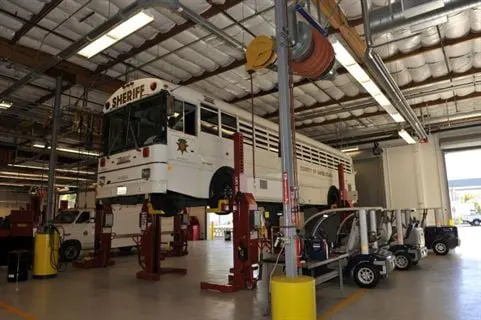
The new facility has 28 vehicle bays, including seven heavy equipment and oversized vehicle bays, and is designed with safe traffic patterns. Wireless internet is available throughout the building to allow technicians to utilize on-line diagnostic and schematic resources. WIFI also allows technicians to interact directly with work orders and provide real-time vehicle status updates, fueling authorizations, and inventory control. The facility is equipped with the most advanced system for handling hazardous waste. The system provides safe ways to contain and transport many types of hazardous waste generated in the process of vehicle maintenance.
"The new facility allows the Fleet Management team to provide consistent and quality service resulting in reduced downtime of vehicles and equipment," said David Snow, fleet manager. "The increased capacity helps to reduce cost by allowing previously-contracted-out functions to be performed in-house now."
Among the functions now performed in-house that were contracted out previously are: inspection and repair of vehicles, technical training for employees, emergency vehicle equipment installation, and building and up-fit of specialty vehicles such as animal control and prisoner transport vehicles. By bringing these functions in-house, the County is able to reduce cost significantly: $525,000/year in lease facility costs; $175,000 in vehicle maintenance; $10,000/year in training costs; and $150,000/year in emergency vehicle installations.
County Fleet also plans to install 25 on-site electrical vehicle charging stations at the new site, according to the release. The first chargers will be installed in June 2011 and will be open to the public and offer 24/7 access.
More Maintenance

Freeing Technicians for Higher-Priority Repairs
Could paid interns help public fleets free up experienced technicians for more complex repairs?
Read More →
Stay ready, set and safer with verified fleet inspections
When fleet inspections aren’t verifiable, missed defects can quickly become downtime, safety risks, and service delays. This white paper shows government and municipal fleet leaders how digital inspections can improve accountability, catch issues earlier, and keep vehicles ready when they’re needed most.
Read More →
Using Oil Analysis to Help with Engine Losses
How a Texas city changed its lubrication practices and began tailoring preventive maintenance intervals after test results showed oil degradation and fuel dilution.
Read More →
Hidden in Plain Sight: Fleet Compliance Risks
Fleet compliance isn't just about having policies — it's about consistently enforcing them. This practical guide reveals six hidden compliance risks common in public sector and shared fleet operations and outlines proven strategies to improve visibility, accountability, and audit readiness.
Read More →
Is Your Fleet Garage Holding Back Your Operation? | The Fleet Breakroom
Norman Barrientos of Barrientos Design & Consulting explains how agencies can use operational data to show decision-makers why a replacement or major renovation is needed.
Read More →
Reducing Long-Term Maintenance Costs and Downtime
Downtime is rarely caused by a single surprise failure but rather by an issue that builds over time through setbacks ranging from deferred maintenance to poor replacement planning. So what's the fix?
Read More →
The Future of Government Fleet Technicians with Mike Cleary
Insight on preparing for hybrid and electric vehicle service, what fleets need to know about recruiting technicians in a competitive market, and how to make the most of limited training budgets.
Read More →
Work Orders Are More Than Records. They're a Roadmap to Fleet Availability
What if your work orders could predict failures, uncover hidden costs, and boost fleet availability? Here's how leading fleets are using the data.
Read More →
Drive More Profit with Greater Fleet Uptime
Fleet downtime costs money. JASPER helps keep vehicles on the road with quality remanufactured components, fast nationwide delivery, and reliable solutions that boost uptime and profitability.
Read More →
Smart Seasonal Maintenance Tips for Government Fleets
Government fleets carry extra weight, and routes, schedules, and public trust depend on reliability. A systematic spring checklist keeps vehicles in service when agencies need them most.
Read More →