




Salt Lake County Places County Fleet Manager on Paid Leave
MIDVALE, UT - Salt Lake County's fleet manager, who came under fire last year over county car abuse, has been placed on paid leave and is being investigated by the District Attorney's Office, according to the Salt Lake Tribune.
MIDVALE, UT - Salt Lake County's fleet manager, who came under fire last year over county car abuse, has been placed on paid leave and is being investigated by the District Attorney's Office, according to the Salt Lake Tribune. Nick Morgan was ordered May 5 to leave his office, and his computer access was frozen. Details on the allegations were not divulged, though Public Works Director John Patterson said in the newspaper article that "they are numerous and they are serious." According to the Salt Lake Tribune, it has learned the probe is focusing on accusations of falsified travel records and inappropriate personal use of county computers and staffers. Morgan denies any wrongdoing, and told the newspaper that he is not worried about scrutiny of his travel or his computer. "Be my guest," he was quoted in the Salt Lake Tribune. "There's nothing there." Last December, a citizens’ review panel issued a report detailing problems with the county's vehicle program, including that the 2,200-vehicle division was overfunded by $9 million. The study was ordered by then-Mayor Nancy Workman following the resignation of Auditor Craig Sorensen, who admitted stealing gas with his county credit card, according to the Salt Lake Tribune. Morgan told the newspaper that he has taken work trips on the county dime this spring to Fresno, Calif.; Dallas; and Palm Springs, Calif. Each time, he insists, receipts were turned in to his secretary for reimbursement. "If there's anything wrong, it's clerical," he said. "It's not more than that."
More Operations

What Government Fleets Are Missing About Their True Costs
What are fleet budgets missing, and how can agencies use the data they already collect to make a stronger case for change?
Read More →
Rethinking Fleet Decisions From the Budget Office to the Shop
This October we looked back at how public fleets are reconsidering familiar processes and using what they learn to make better decisions.
Read More →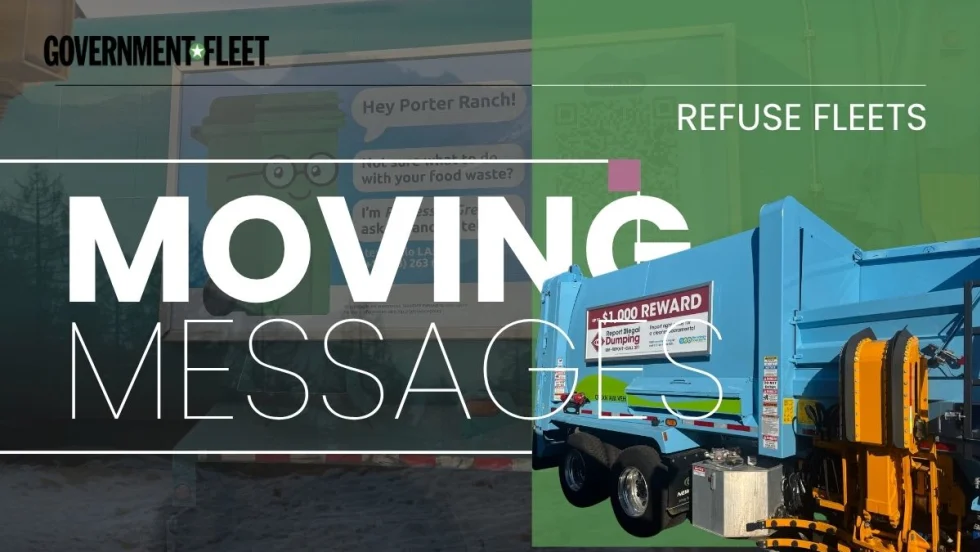
Who Owns the Message on a Refuse Truck?
Refuse trucks can carry public messages into neighborhoods, but keeping those messages current takes planning and clear responsibility.
Read More →
Who Deserves Fleet Recognition and What Could You Teach at GFX?
Who helped shape your fleet career, and what have you learned that could help someone else?
Read More →
What’s Haunting Public Sector Fleets?
Public sector fleet challenges rarely happen in isolation, and addressing one often means understanding how it connects to another.
Read More →
Is Keeping Older Fleet Vehicles Really Saving Money?
Is keeping vehicles longer saving money, and what happens when a diagnostic test points to the wrong fix?
Read More →
How Smart Fleet Strategy Can Help Local Government Agencies Do More with Less
Keeping a vehicle longer may ease this year’s budget, but what does it cost the next one? A closer look at fleet decisions can reveal opportunities to reduce spending while protecting essential services.
Read More →
Connect with Government Fleet on LinkedIn
From industry news and fleet management strategies to conversations with peers, Government Fleet's LinkedIn page offers public-sector fleet professionals another way to stay informed and connected.
Read More →
Town of Queen Creek Named Most Successful Fleet Award Winner of Inaugural RTA Fleet Success Awards
Five fleets were honored at RTA Connect 2026 in Chicago for excellence across resource efficiency, intentional culture, risk management, and stakeholder satisfaction.
Read More →
A buyer's guide to fleet management software in 2027
Buying fleet management software in 2027 means looking beyond features and price. As fleet operations, technology and expectations evolve, this guide explores what today’s fleet professionals should consider when choosing a system that can deliver value now and adapt to what comes next.
Read More →