




Roadmap to Safety Advocates Mandating Game-Changing Technology
The 2023 Roadmap to Safety was released and discusses improving roads and infrastructures for driver safety.


According to the Roadmap to Safety report, motor vehicle crashes increased by 10.5% from 2020 to 2021.
Advocates for Highway and Auto Safety/Government Fleet
The 20th edition of the Roadmap to Safety was recently released. The annual report assesses the state of safety throughout the roads in the U.S.
According to the report, the traffic fatalities in 2021 and primarily into 2022 remain very high. The data comes down to 115 people killed every day on the roadways. And motor vehicle crashes increased by 10.5% from 2020 to 2021.
It also stated the U.S. Department of Transportation (DOT) needs to implement changes on the highway, or the number of fatalities will only continue to increase.
The report details several changes the DOT can mandate to help save lives such as automatic emergency braking (AEB), impaired driving prevention technology, and alert systems.
3 Solutions to Improving Safety
According to the study, officials have the tools and technology needed to make cars and roadways safer, it’s a matter of the nation’s federal and state leaders taking action to implement it.
The report advocates focus on three solutions to improve the safety of the roadways:
1. Safe vehicles.
2. Safe road users.
3. Safe road infrastructure.
Safe Vehicles
To start, there are several safety technologies officials suggest DOT can mandate that all new vehicles have. According to the Insurance Institute for Highway Safety, AEB, lane departure warning, and blind spot detection have been proven to prevent accidents significantly.
“NHTSA has estimated that over 600,000 lives were saved by motor vehicle technologies between 1960 and 2012,” according to the report.
Safe Road Users
All 50 states have areas of improvement when it comes to keeping roads safe for users.
According to advocates in the report, “Walking, biking, and rolling should be safe and reliable modes of transportation. Based on government and private research, crash data, and state experience, we urge all states to enact the optimal laws rated in this report covering occupant protection, child passenger safety, young novice drivers, impaired driving, distracted driving, and automated enforcement to curb speed.”
Some of the recommendations for this are enforcing laws such as front and back seat belts, helmets for motorcycles, child passenger safety, and teen driving requirements.
Safe Road Infrastructure
The study states a big problem current infrastructure has is it doesn’t accommodate all road users: drivers of vehicles, motorcycle riders, pedestrians, bicyclists, micromobility riders, wheelchair users, and others.
Improving outdated designs and operations of roadways will greatly improve the safety of road users.
A Safe System Approach (SSA) identified five elements needed to focus on: safe road users, safe vehicles, safe speed, safe roads, and post-crash care. It recommended lawmakers advance those priorities to prevent crashes and mitigate harm when they do occur.
Governments Committed to Improving Road Safety
Several U.S. governments have already made it one of their missions to improve road safety.
Government Fleet reported on two such initiatives. New York City Mayor Eric Adams has a five-year “NYC Streets Plan” to advance road safety goals while expanding street safety and public transportation infrastructure. One of the focuses will be building bike lanes and pedestrian lane upgrades.
And Madison, Wisconsin, Fleet Superintendent Mahanth Joishy has a goal to reduce fleet and traffic collisions to zero by 2030.
And for governments looking to improve their road safety, Together for Safer Roads (TSR) partners with companies and governments to build safer roads. Its recent partnership with VisionTrack allows for video-enabled solutions across fleets.
More Safety
New Partnership Aims to Expand Public Digital Hazard Alert System Statewide
The Hawai’i Department of Transportation (HDOT) is expanding advance digital hazard alerts for the public statewide.
Read More →
New York City Expands Safety Technologies Across Municipal Fleet
Executive Order 19 moves intelligent speed assistance and pedestrian alerts from pilot programs toward standard fleet equipment, offering other public fleets a look at how safety technology can be tested, measured, and scaled.
Read More →
Hidden in Plain Sight: Fleet Compliance Risks
Fleet compliance isn't just about having policies — it's about consistently enforcing them. This practical guide reveals six hidden compliance risks common in public sector and shared fleet operations and outlines proven strategies to improve visibility, accountability, and audit readiness.
Read More →
5 Days Left to Submit Your 2026 Fleet Safety Award Nomination
Know a government fleet, safety, or risk manager who deserves recognition for making fleet operations safer? Nominations are open through Aug. 15.
Read More →
How the First 24 Hours Can Shape a Fleet Crash Response
How a strong accident response process helps government fleets move from the initial report to recovery while building a clearer record for what needs to change next.
Read More →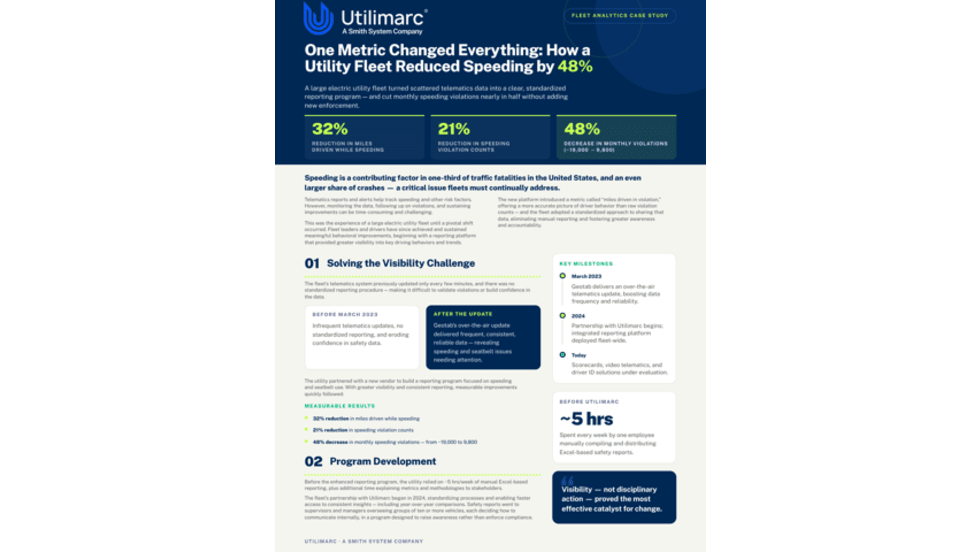
How Better Visibility Cut Speeding Violations by 48%
Fleet leaders don't need more data, they need clearer visibility into what the data is saying. This case study explores how one utility replaced speeding-event counts with a single metric — miles driven in violation — to strengthen safety and significantly reduce speeding violations.
Read More →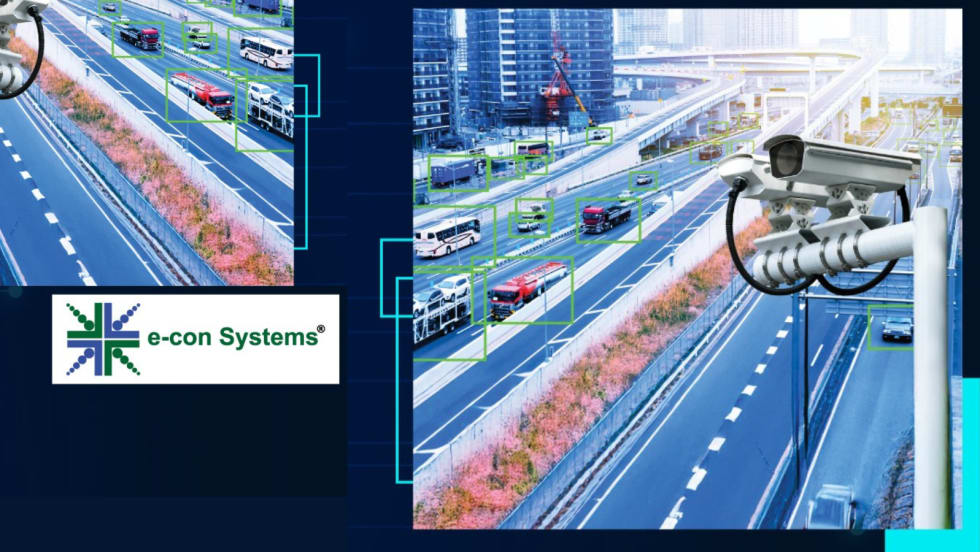
e-con Systems Expands AI Camera Tools for Traffic Monitoring
The systems support license plate recognition, traffic analytics, and video management for transportation agencies.
Read More →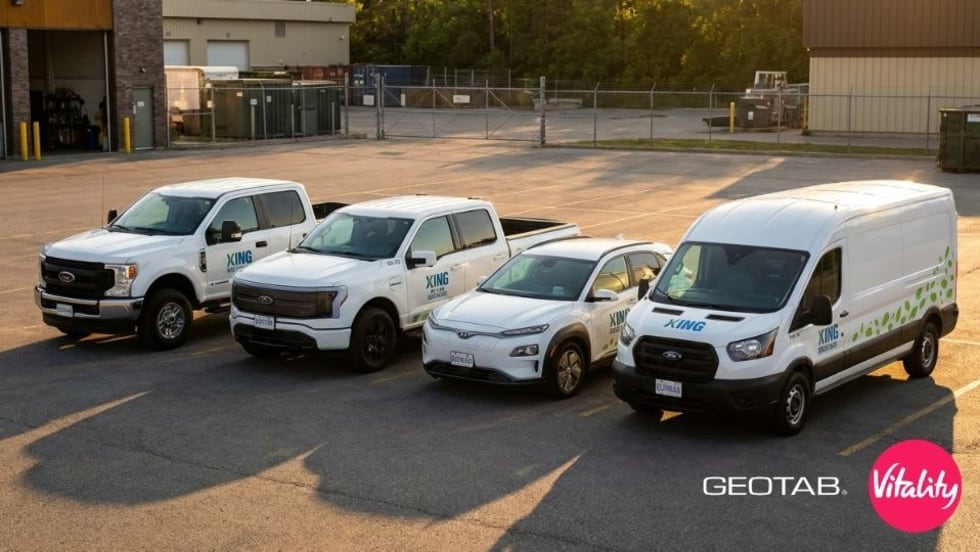
King Township Pilot Links Driver Feedback to Reduced Speeding
How King Township, a best-in-class municipal fleet, reduced speeding by 10.9% and demonstrated a projected 349% ROI by putting safety ownership directly in drivers' hands.
Read More →
Beyond the Fireline: The Critical Role of Public Fleets in Wildfire Response
Behind every wildfire response is a complex network of vehicles, data, and decisions that must work in sync under extreme pressure. Global heating trends require strong fleet coordination and reliable communications to keep crews safe and operations running smoothly.
Read More →
How AI Is Transforming Public Fleet Safety - Part 1
AI-powered safety systems are helping public fleets tackle distracted driving by delivering real-time coaching and measurable behavior change behind the wheel. In part one of our Q&A, Nauto CEO Stefan Heck explains how agencies can improve safety, reduce costs, and navigate implementation challenges with AI-driven technology.
Read More →