




Record Use of Biofuels by Illinois State Fleet
SPRINGFIELD, IL – Building on efforts to help support Illinois' farmers and to expand the use of clean and renewable energy, Governor Rod Blagojevich announced a record use of biofuels and a dramatic increase of flexible-fuel vehicles (FFVs) in the State's motor vehicle fleet.
SPRINGFIELD, IL – Building on efforts to help support Illinois’ farmers and to expand the use of clean and renewable energy, Governor Rod Blagojevich announced a record use of biofuels and a dramatic increase of flexible-fuel vehicles (FFVs) in the State’s motor vehicle fleet. Since April 2005, in response to a Governor’s Executive Order directing state agencies and employees to use biofuels, agencies have used more than 1 million gallons of E-85 and biodiesel to fuel their cars and trucks.
Signed on April 12, 2004, Executive Order 7 directed state agencies and employees to use biofuels whenever possible and state purchasing experts to prioritize FFVs in fleet-vehicle purchases. When the Executive Order was signed, there were 25 stations; today, there are about 130. Additionally, 77 percent of all fleet vehicles purchased since the governor signed the Executive Order have been FFVs.
The Illinois Department of Central Management Services (CMS) procures both fuel and vehicles for Illinois government agencies. FFVs in the state’s motor-vehicle fleet can use E-85 — the advanced hybrid of ethanol composed of 85 percent ethanol and 15 percent gasoline. Biodiesel — made from soybeans — is predominately used in Illinois Department of Transportation (IDOT) trucks for road construction, clearing, and maintenance.
As a result of this Executive Order, an unprecedented amount of biofuels were consumed, both at gas stations throughout the state and at state-operated fueling stations. Since April 2005, when the State started tracking use of renewable fuels:
State agencies used 122,441 gallons of E-85, with a monthly average of more than 8,100 gallons.
State agencies used 906,341 gallons of biodiesel fuel, or more than 60,000 gallons per month.
Since the Executive Order was signed, state government has prioritized the purchase of FFVs:
More than 400 of the 700 vehicles state agencies purchased last year were FFVs.
As a result, 1,944 vehicles — 16 percent of the State’s 12,100-vehicle fleet — can now run on E-85.
Blagojevich’s commitment to biofuels and flexible-fuel vehicles has made Illinois government a national leader, as recently recognized by Automotive Fleet magazine, for operating the largest E-85 passenger fleet in Illinois, and the 18th largest flexible-fuel fleet in the country. Additionally, last fall the National Conference of State Fleet Administrators (NCSFA) presented the state with the 2005 Honda Environmental Leadership Award, which recognized outstanding achievement of improving environmental quality through fleet management.
More Operations

Fleet Forward Conference Introduces One-Day Passes for 2026
New one-day registration lets fleet professionals attend Tuesday, Wednesday, or Thursday, with passes available for $249.
Read More →
ENC Unveils its ZAVIR Medium-Duty Shuttle
Two variants of the concept shuttles were revealed: a low-floor configuration and a high-floor configuration.
Read More →
Could Your Next Fleet Technician Start as an Intern?
What if your next technician hasn’t worked in a fleet shop yet? What fleets are doing to free up time.
Read More →
How Phoenix Is Building Its Next Generation of Fleet Technicians
With more than 8,000 vehicles and pieces of equipment to maintain, the City of Phoenix could not afford to wait for fully trained technicians to walk through the door. Instead, they revamped their entire workforce strategy and showed how public fleets can create their own talent pipeline while preparing existing employees for increasingly complex vehicles.
Read More →
What’s Slowing Your Fleet Down?
Could a change in how work gets done help your fleet return vehicles to service sooner?
Read More →
Can Public Fleets Trust the Data Driving Their Decisions?
Public fleets have more data than ever, but inconsistent records and missing information can still undermine maintenance, replacement, and cost decisions.
Read More →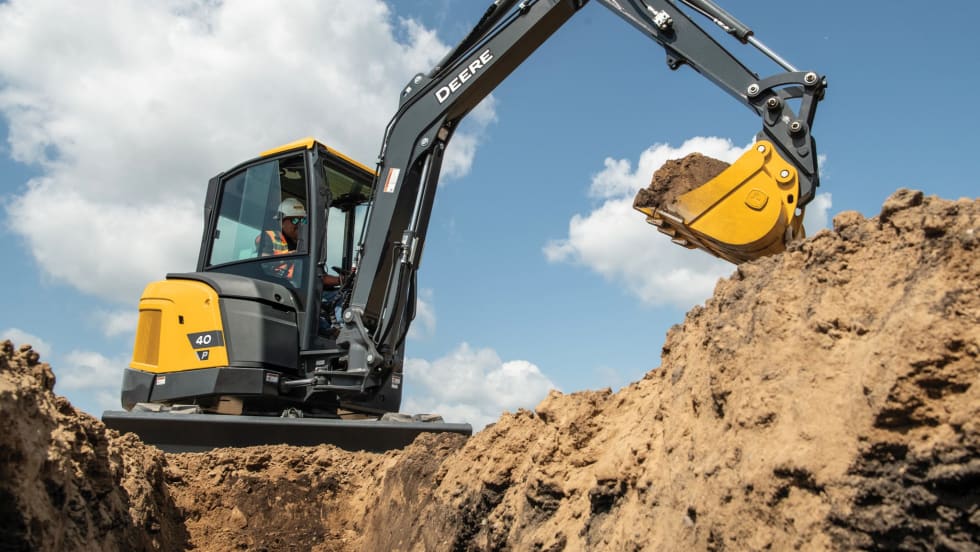
John Deere Introduces 40 P-Tier Compact Excavator
John Deere is adding a compact excavator designed for crews that need to move equipment between jobsites and handle multiple types of work with one machine. The 40 P-Tier weighs less than 10,000 pounds and offers configurable hydraulics, attachment options, and connected fleet-management capabilities.
Read More →
How Leading Fleets Improve and Why Business Plans Matter
This week, we look at what past Leading Fleet winners can teach us about making progress, plus how to build a business plan your fleet will actually use.
Read More →
Nominate a Fleet Leader for the 2027 Public Fleet Hall of Fame
Do you know a fleet leader who has made a lasting impact on the industry? Nominate this fleet professional for the 2027 Public Fleet Hall of Fame.
Read More →
Why Fleet Business Plans Need Three Perspectives
A fleet business plan should help agency leaders understand the fleet’s value, give the organization a clear direction, and establish shared expectations with customer departments.
Read More →