




Proposal to Privatize Pittsburgh City Garage
Pittsburgh Mayor Murphy wants to privatize the city garage to save the city money, a move that could result in half of the city's 26 mechanics losing their jobs.
PITTSBURGH -- Pittsburgh Mayor Murphy wants to privatize the city garage to save the city money, a move that could result in half of the city's 26 mechanics losing their jobs, according to the Pittsburgh Tribune-Review. Many City Council members oppose the plan. "The city needs to privatize the management of the garage, not the garage itself," City Councilman Doug Shields said. The city's oversight board is reviewing the privatization plan. Mayor Tom Murphy's privatization plan comes after calls from some state lawmakers to outsource city services, from the garage to the asphalt plant. Backed by allies on City Council, Mayor Murphy has offered to give First Vehicle the entire fleet's maintenance work. According to the newspaper article, First Vehicle’s bid proposal offers to provide the city with a strict preventive maintenance program — routine oil changes, lube jobs, tire rotations and tune-ups — to keep trucks running and avoid costlier repairs down the road. "I favor the privatization because First Vehicle guarantees they'll have 95 percent of my trucks on the road," Department of Public Works Director Guy Costa said. "I can't get that guarantee now." A Pittsburgh Tribune-Review analysis of public works repairs in 2001 and 2002 found that 40 percent of all garage work orders came from "non-targeted" fixes. That ballooned to more than 60 percent when accident repairs and other services First Vehicle won't provide without more cash were included. Fred Bell, president of the local International Association of Machinists and Aerospace Workers, believes taxpayers might end up paying First Vehicle $3 million extra for repairs the garage already does, according to the Pittsburgh Tribune-Review. Rather than save the city money, privatization could cost taxpayers $1.3 million more than they already spend. That prompted the mechanics to create a plan of their own: fire Murphy's managers and run the facility as a tax-exempt authority, charging other agencies for repair work. Pittsburgh's mechanics believe they can save taxpayers more than $2 million over the next four years, with no job cuts, according to the Pittsburgh Tribune-Review. First Vehicle maintains 40,000 vehicles in more than 135 cities and counties, including Pennsylvania’s Allegheny County's fleet. Allegheny County Public Works Director Thomas Donatelli called the 1998 decision to turn his fleet over to First Vehicle "a success in every way" because it improved garage efficiency while slashing taxpayer costs by "at least $1 million a year," according to the newspaper article.
More Operations
Town of Queen Creek Named Most Successful Fleet Award Winner of Inaugural RTA Fleet Success Awards
Five fleets were honored at RTA Connect 2026 in Chicago for excellence across resource efficiency, intentional culture, risk management, and stakeholder satisfaction.
Read More →
A buyer's guide to fleet management software in 2027
Buying fleet management software in 2027 means looking beyond features and price. As fleet operations, technology and expectations evolve, this guide explores what today’s fleet professionals should consider when choosing a system that can deliver value now and adapt to what comes next.
Read More →
Hazard Alerts, Fleet Car Sales Rise and a New Shuttle Concept
Fleet car sales doubled, but the bigger picture tells a different story in this week’s roundup.
Read More →
How St. Johns County Turned Fleet Data Into Better Replacement Decisions
St. Johns County, Florida, had fleet data, but turning it into reliable decision guidance was another matter. Instead of starting over with a new fleet management system, the county connected existing tools and built a scoring system that gives managers an objective look at fleet health.
Read More →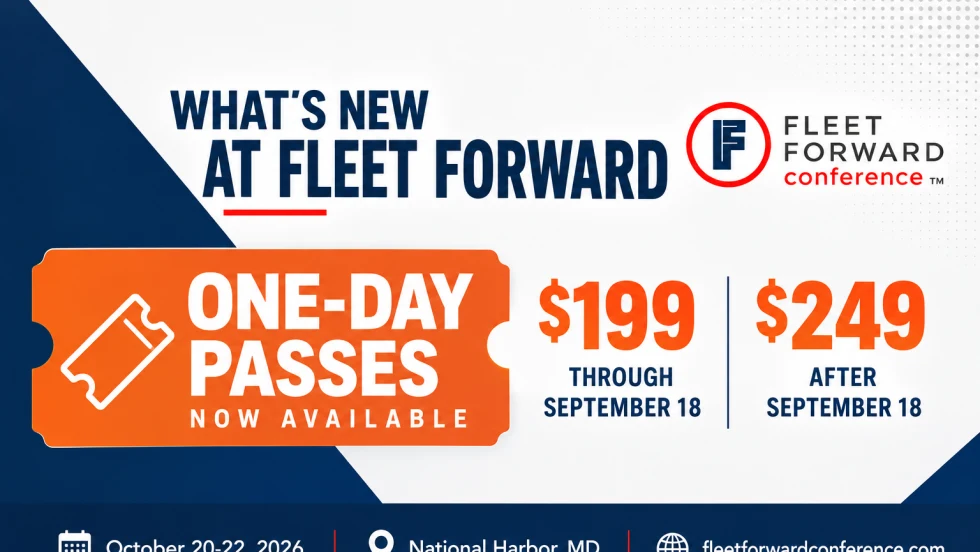
Fleet Forward Conference Introduces One-Day Passes for 2026
New one-day registration lets fleet professionals attend Tuesday, Wednesday, or Thursday, with passes available for $249.
Read More →
ENC Unveils its ZAVIR Medium-Duty Shuttle
Two variants of the concept shuttles were revealed: a low-floor configuration and a high-floor configuration.
Read More →
Could Your Next Fleet Technician Start as an Intern?
What if your next technician hasn’t worked in a fleet shop yet? What fleets are doing to free up time.
Read More →
How Phoenix Is Building Its Next Generation of Fleet Technicians
With more than 8,000 vehicles and pieces of equipment to maintain, the City of Phoenix could not afford to wait for fully trained technicians to walk through the door. Instead, they revamped their entire workforce strategy and showed how public fleets can create their own talent pipeline while preparing existing employees for increasingly complex vehicles.
Read More →
What’s Slowing Your Fleet Down?
Could a change in how work gets done help your fleet return vehicles to service sooner?
Read More →
Can Public Fleets Trust the Data Driving Their Decisions?
Public fleets have more data than ever, but inconsistent records and missing information can still undermine maintenance, replacement, and cost decisions.
Read More →