




Pittsburgh's Chief Complains of a Dire Lack of Vehicles
PITTSBURGH — Some Pittsburgh police officers have to walk to their sectors or drive their personal cars on duty, Chief Nate Harper recently informed the City Council in a budget hearing that focused on the decrepitude of cruisers and patrol wagons.
PITTSBURGH — Some Pittsburgh police officers have to walk to their sectors or drive their personal cars on duty, Chief Nate Harper recently informed the City Council in a budget hearing that focused on the decrepitude of cruisers and patrol wagons, reported in Pittsburgh Post-Gazette.
In a rare airing of policy differences, City Finance Director Scott Kunka countered the administration is buying 30 vehicles a year and trying to catch up following years of neglect of the police fleet.
"Thirty is only fulfilling half" of the bureau's immediate need, Chief Harper said.
An internal Police Bureau report completed last month found that the force, expected to reach 900 officers soon, needs 312 vehicles. On paper, it has 267 vehicles, but 67 of those are permanently out of service, and some have been auctioned off. "How do you operate when your fleet is 25 percent down?" Chief Harper asked.
Twenty to 30 police cars are in the shop at a given time, putting the bureau's available cars at around 175.
The report says that 34 cars will reach the end of their useful life within six months. Zone operations will be "pushed beyond its limits" next year and the chief "will then have to make decisions about which units I will have to start temporarily shutting down."
Chief Harper said that Zone 3, based in the South Side, has 12 cars in the shop. That forces some officers to walk to their sectors, limiting their ability to respond to emergencies. That zone is supposed to pass some of its vehicles on to the West End station when it reopens.
Zone 1 in the North Side, Zone 2 from Downtown to Lawrenceville and the Major Crimes Unit all have around two-thirds of the cars they need, according to the bureau's report. The six Drug Abuse Resistance Education officers have to drive their own cars to the 50 schools in which they make presentations, Chief Harper said.
"Over the past three years, there has been approximately $4.5 million spent on police vehicles," said Mr. Kunka. That bought 90 vehicles, he said. A merger of the city force with the Pittsburgh Housing Authority police brings in an additional 15 or 20 vehicles, he said.
The car problems come as the city accumulates nearly $100 million in savings, most of which will be set aside for road, bridge and other infrastructure work.
The City is "using the police department to develop more funds," by not spending budgeted money, said Fraternal Order of Police President James Malloy.
More Operations
Hazard Alerts, Fleet Car Sales Rise and a New Shuttle Concept
Fleet car sales doubled, but the bigger picture tells a different story in this week’s roundup.
Read More →
How St. Johns County Turned Fleet Data Into Better Replacement Decisions
St. Johns County, Florida, had fleet data, but turning it into reliable decision guidance was another matter. Instead of starting over with a new fleet management system, the county connected existing tools and built a scoring system that gives managers an objective look at fleet health.
Read More →
Fleet Forward Conference Introduces One-Day Passes for 2026
New one-day registration lets fleet professionals attend Tuesday, Wednesday, or Thursday, with passes available for $249.
Read More →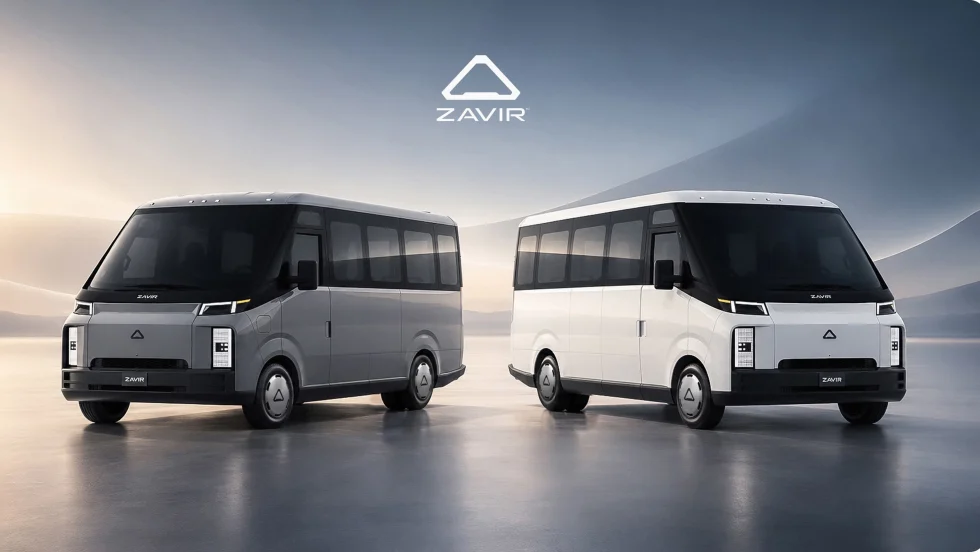
ENC Unveils its ZAVIR Medium-Duty Shuttle
Two variants of the concept shuttles were revealed: a low-floor configuration and a high-floor configuration.
Read More →
Could Your Next Fleet Technician Start as an Intern?
What if your next technician hasn’t worked in a fleet shop yet? What fleets are doing to free up time.
Read More →
How Phoenix Is Building Its Next Generation of Fleet Technicians
With more than 8,000 vehicles and pieces of equipment to maintain, the City of Phoenix could not afford to wait for fully trained technicians to walk through the door. Instead, they revamped their entire workforce strategy and showed how public fleets can create their own talent pipeline while preparing existing employees for increasingly complex vehicles.
Read More →
What’s Slowing Your Fleet Down?
Could a change in how work gets done help your fleet return vehicles to service sooner?
Read More →
Can Public Fleets Trust the Data Driving Their Decisions?
Public fleets have more data than ever, but inconsistent records and missing information can still undermine maintenance, replacement, and cost decisions.
Read More →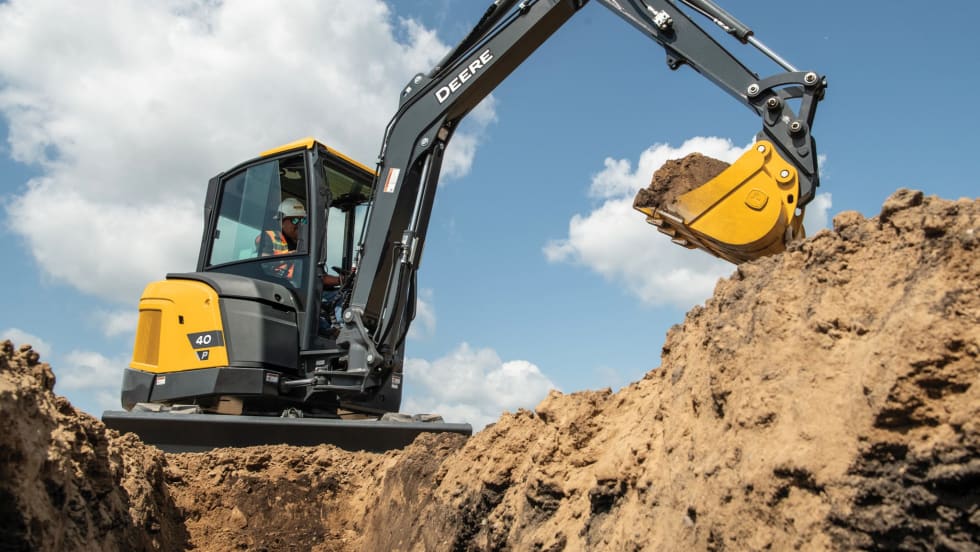
John Deere Introduces 40 P-Tier Compact Excavator
John Deere is adding a compact excavator designed for crews that need to move equipment between jobsites and handle multiple types of work with one machine. The 40 P-Tier weighs less than 10,000 pounds and offers configurable hydraulics, attachment options, and connected fleet-management capabilities.
Read More →
How Leading Fleets Improve and Why Business Plans Matter
This week, we look at what past Leading Fleet winners can teach us about making progress, plus how to build a business plan your fleet will actually use.
Read More →