




Officer's Death Prompts Switch Of Dallas Police Cars
DALLAS — Two years ago, Dallas police Officer Patrick Metzler died after his Ford Crown Victoria patrol car exploded following a rear-end collision.
DALLAS — Two years ago, Dallas police Officer Patrick Metzler died after his Ford Crown Victoria patrol car exploded following a rear-end collision. His death started a chain of events that reduced the number of available, working police vehicles officers could use to respond to calls, according to NBC5 news. After Metzler's death, the city tried integrating 100 natural gas-powered police cars into the patrol fleet. Patrol officers claimed the vehicles lacked the necessary speed and power required of police cars. The city also tried to leave cars on patrol longer between maintenance procedures in an effort to save money. The factors contributed to a shortage of available patrol cars before city officials opted to replace the aging fleet of Crown Victorias with Dodge Intrepids. Ford Motor Co. denies the Crown Victoria model poses a safety problem. Now, the last of the 80 new Intrepids are being prepared for patrol by police personnel. Preparations require that the cars be equipped with police identification decals, radios, and other equipment. The new vehicles have been met with mixed reviews among officers. "The downside is it's a little bit smaller, and when you load it up with a bunch of equipment and two large officers, such as myself, it's going to be a tight little fit," Glenn White, of the Dallas Police Association, said. "They handle pretty well, we found out from the people (who) tested them. It doesn't have a propensity to blow up in rear-end collisions like the Crown Victoria." The new vehicles promise benefits other than an added measure of safety from explosions. "New cars, virtually under warranty and brand new, last better or are more reliable, than old cars, especially those in excess of 100,000 miles," Sgt. Allan Brown said. "So, the reliability of the fleet and availability will go up substantially with these cars now in service."
More Operations
Is Delaying Fleet Replacement Really Saving Money?
Could delaying replacement cost your fleet more than it saves? This week’s recap takes a closer look, plus an update on GFX 2027.
Read More →
What Government Fleets Are Missing About Their True Costs
What are fleet budgets missing, and how can agencies use the data they already collect to make a stronger case for change?
Read More →
Rethinking Fleet Decisions From the Budget Office to the Shop
This October we looked back at how public fleets are reconsidering familiar processes and using what they learn to make better decisions.
Read More →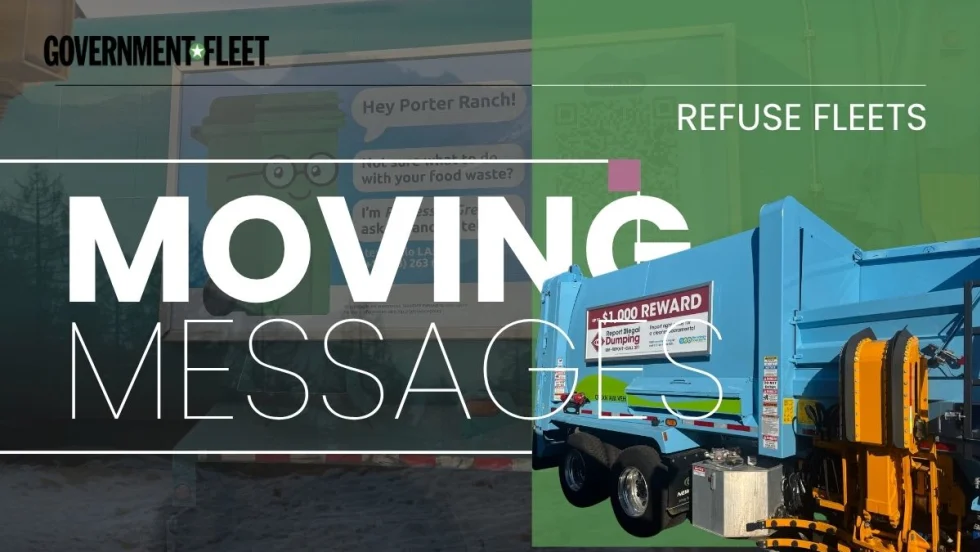
Who Owns the Message on a Refuse Truck?
Refuse trucks can carry public messages into neighborhoods, but keeping those messages current takes planning and clear responsibility.
Read More →
Who Deserves Fleet Recognition and What Could You Teach at GFX?
Who helped shape your fleet career, and what have you learned that could help someone else?
Read More →
What’s Haunting Public Sector Fleets?
Public sector fleet challenges rarely happen in isolation, and addressing one often means understanding how it connects to another.
Read More →
Is Keeping Older Fleet Vehicles Really Saving Money?
Is keeping vehicles longer saving money, and what happens when a diagnostic test points to the wrong fix?
Read More →
How Smart Fleet Strategy Can Help Local Government Agencies Do More with Less
Keeping a vehicle longer may ease this year’s budget, but what does it cost the next one? A closer look at fleet decisions can reveal opportunities to reduce spending while protecting essential services.
Read More →
Connect with Government Fleet on LinkedIn
From industry news and fleet management strategies to conversations with peers, Government Fleet's LinkedIn page offers public-sector fleet professionals another way to stay informed and connected.
Read More →
Town of Queen Creek Named Most Successful Fleet Award Winner of Inaugural RTA Fleet Success Awards
Five fleets were honored at RTA Connect 2026 in Chicago for excellence across resource efficiency, intentional culture, risk management, and stakeholder satisfaction.
Read More →