




No Leaks Found in CNG Vehicles Despite Officer´s Sickness
DALLAS - Tests to detect carbon monoxide in Dallas´ compressed natural gas (CNG) patrol cars have been unable to provide answers as to how an officer got sick after driving a retrofitted vehicle, reported The Dallas Morning News newspaper.
DALLAS – Tests to detect carbon monoxide in Dallas´ compressed natural gas (CNG) patrol cars have been unable to provide answers as to how an officer got sick after driving a retrofitted vehicle, reported The Dallas Morning News newspaper. Carbon monoxide was not detected in the cabs, fuel lines, or exhaust systems of any of the 70 CNG cars, according to city officials. An officer said she could smell natural gas while driving one of the converted vehicles and became sick. She was hospitalized and found to have elevated levels of carbon monoxide. Once the vehicles have been deemed safe, they will no longer be used to answer calls, city and police leaders told the Morning News. Officers who drive less, such as supervisors and community officers, will use the vehicles instead. In a show of support for alternative-fuel vehicles, Dallas Police Chief David Kunkle said he will trade in his gasoline-powered vehicle for a CNG model.
More Operations
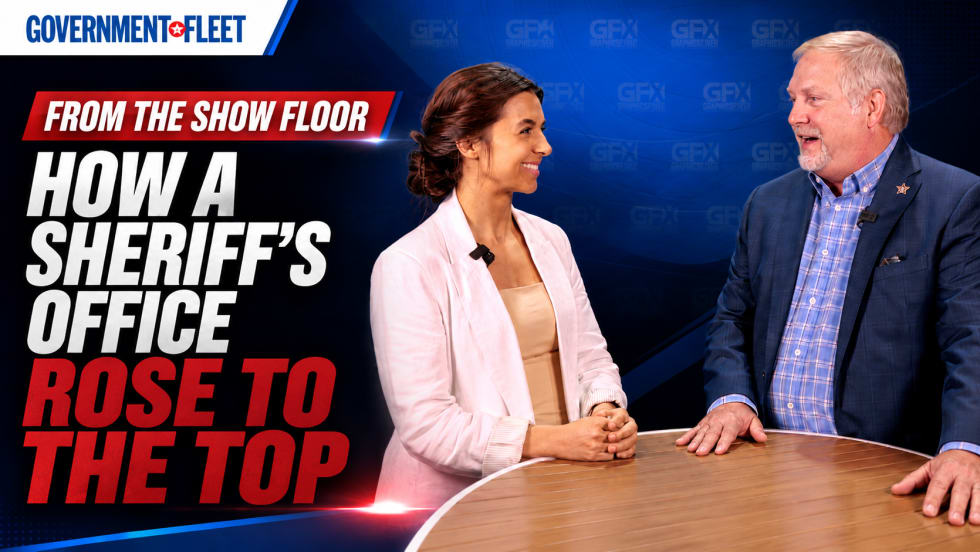
Why Public Fleet Success Depends on More Than the Vehicles | From the Show Floor with Tim Coxwell
Fleet decisions rarely stay inside the garage. From funding pressure to emissions planning, Tim Coxwell explains what it takes to keep a sheriff’s office fleet moving while planning for what comes next.
Read More →
How Government Fleets Helped Build America
As the United States celebrates its 250th anniversary, this look back explores how government fleets evolved from horse-drawn wagons to specialized vehicles that keep communities running today.
Read More →
Fleet History, Long-Term Maintenance, and Fleet Needs | GovCast Cheat Sheet
Public fleet work has changed dramatically, but the core responsibility remains the same: keeping communities moving.
Read More →
Recognizing Progress, Leadership in Fleets | The June Dispatch
Catch up on the past month, whether you're interested in GFX news or Government Fleets' go-to articles for your operation.
Read More →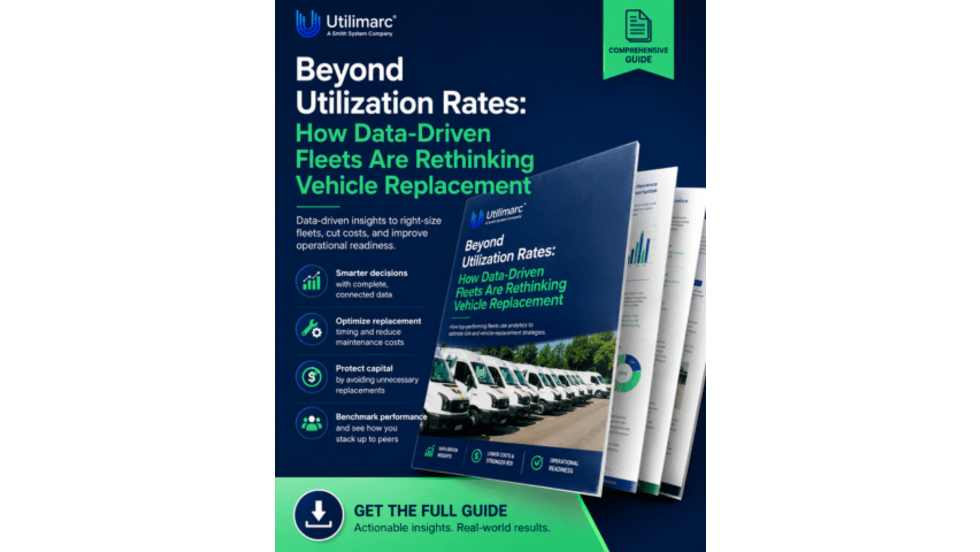
Beyond Utilization Rates: Smarter Fleet Replacement Decisions
Vehicle replacement decisions affect every aspect of fleet performance, from operating costs to asset availability. This guide explores how fleet leaders use integrated data, benchmarking, and lifecycle analytics to determine the right fleet size and optimize replacement timing with greater confidence.
Read More →
Talking Success, Leadership, and Fleet Needs
A perspective on the future of fleet management, the lessons learned about building strong teams in the public sector, and how to carry forward the department’s strategic direction.
Read More →Proactive Approaches to Fleet Management Challenges with Erinn DeJonge
In this episode, we put the spotlight on the professional journey of Erinn DeJonge, CAFM, who brings a wealth of experience to her role as the fleet business operations manager at Sarasota County Government.
Read More →
The FleetGap Initiative: Transitioning from Military to Civilian Fleet Roles
FleetGap is working to build the missing bridge between service members preparing for civilian careers and fleet employers facing workforce shortages.
Read More →
How Government Fleets Are Turning Connected Vehicle Data Into Practical Decisions
Public sector fleets are using connected technology to improve visibility, but the bigger challenge is building the processes to act on the information it provides.
Read More →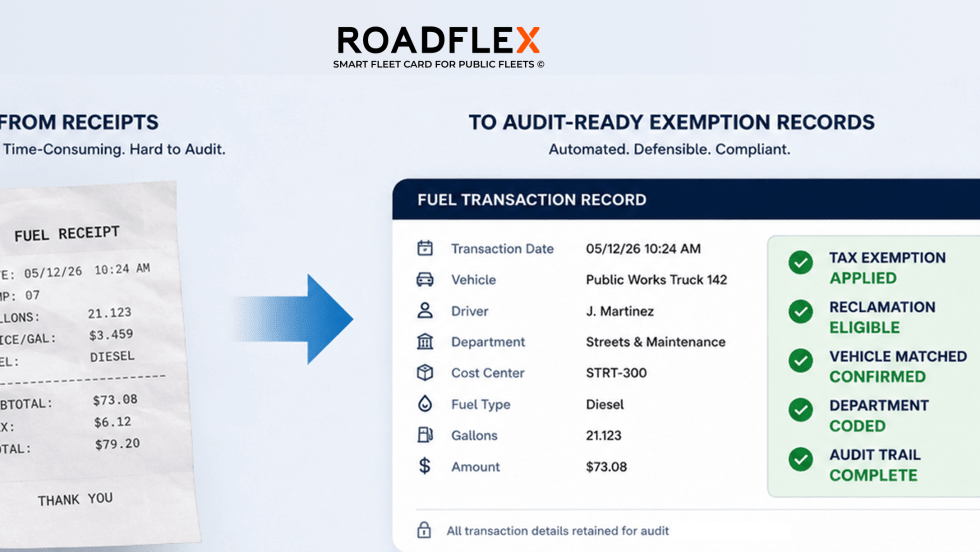
RoadFlex Brings Fuel Tax Compliance and Audit-Ready Reporting to Government, Public Works Fleets
New capabilities aim to help public-sector and public works fleets streamline fuel tax exemptions, reclamation, reconciliation, and audit-ready reporting.
Read More →