




New York’s Nassau County Overhauls Fleet
MINEOLA, NY – Nassau County officials have announced a plan to scale back its aging fleet of passenger cars, consolidate management of county vehicles, inventory them by computer, and centralize repairs.
MINEOLA, NY – Nassau County officials have announced a plan to scale back its aging fleet of passenger cars, consolidate management of county vehicles, inventory them by computer, and centralize repairs, according to a report in the newspaper Newsday . Organizing the county's fleet of cars has been a goal of County Executive Thomas Suozzi since he took office in 2002 and found vehicles were allocated hodgepodge to departments across county government. Nassau officials acknowledge they still don't have a complete accounting of all the cars the county owns or leases, or how they are used. Suozzi said 75 percent of county passenger cars are beyond their useful life-cycle, and half are more than five years too old. Cars are repaired in 21 different maintenance facilities with little communication concerning available parts. Since 2001, the county has cut the number of passenger cars from 1,714 to 1,454. Suozzi said he plans to eliminate 250 more to bring the fleet to 1,200. Suozzi said cars are to be removed from the control of individual departments and consolidated under the new Office of Fleet Management,headed by Richard Winter, former flee manager the New York City Police Department.
More Operations

How Government Fleets Are Turning Connected Vehicle Data Into Practical Decisions
Public sector fleets are using connected technology to improve visibility, but the bigger challenge is building the processes to act on the information it provides.
Read More →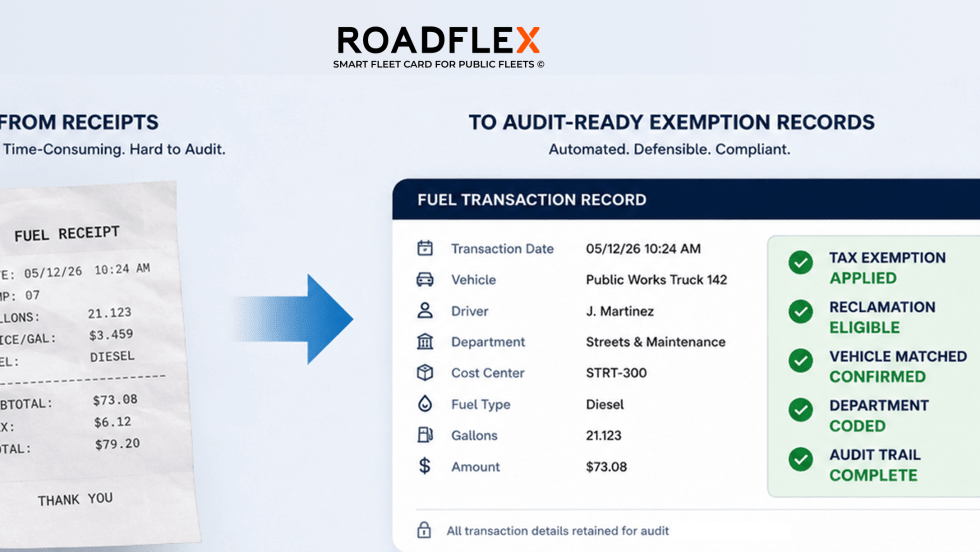
RoadFlex Brings Fuel Tax Compliance and Audit-Ready Reporting to Government, Public Works Fleets
New capabilities aim to help public-sector and public works fleets streamline fuel tax exemptions, reclamation, reconciliation, and audit-ready reporting.
Read More →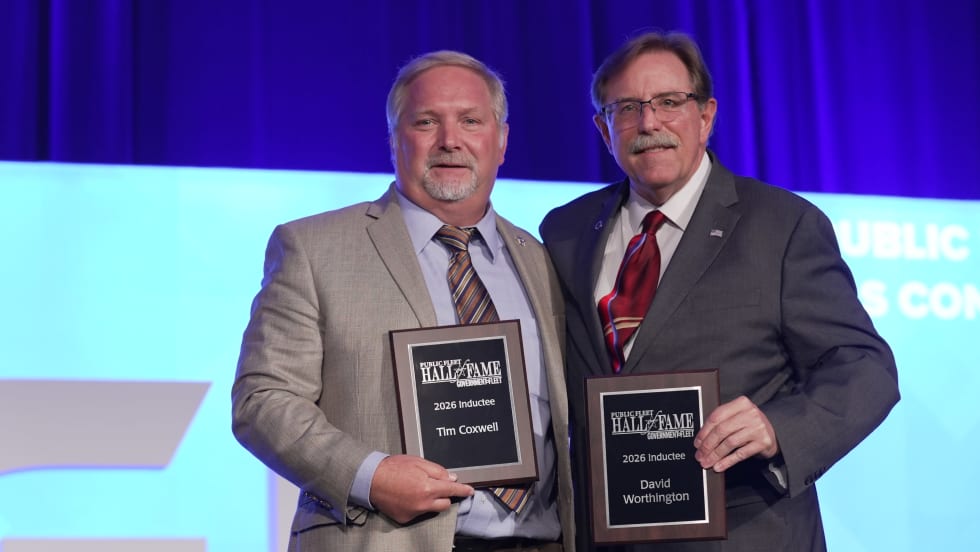
2026 Public Fleet Hall of Fame Inductees Honored
This year's class includes leaders whose work has helped shape the public fleet industry.
Read More →
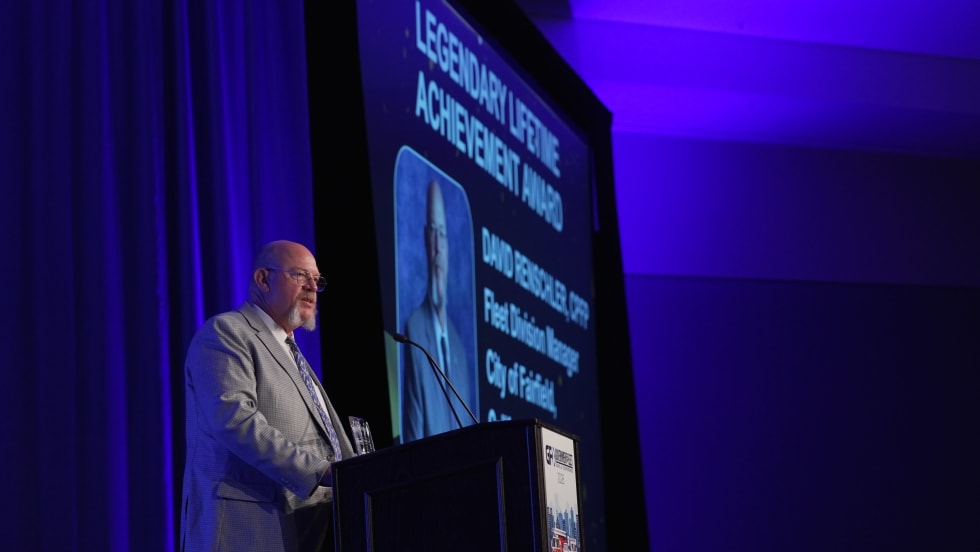
David Renschler Receives 2026 Legendary Lifetime Achievement Award
Andy Campbell of Sourcewell, which partnered with Government Fleet in presenting the award, recognized Renschler.
Read More →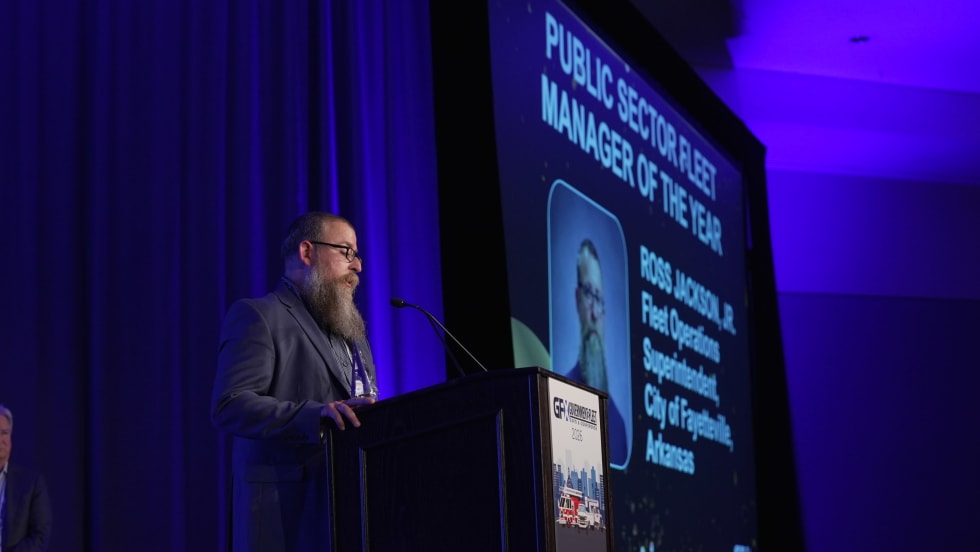
Ross Jackson Jr. Named 2026 Public Sector Fleet Manager of the Year
His leadership, innovation, and commitment to excellence earned him one of the industry's top honors.
Read More →
Public Fleet Professionals Set to Converge as GFX Gets Underway
Known as the largest gathering of public fleet professionals in the nation, GFX will feature in-depth training sessions, emerging fleet technologies, and access to leading suppliers and service providers.
Read More →
The Technician Pipeline: Finding, Keeping, and Promoting Techs Within the Operation
A look at where to find good talent, what fleets are doing to incentivize those techs to stay within the fleet, and what promotion looks like for a technician within the public sector.
Read More →
5 Public Fleet Stories Worth Revisiting Before GFX | The May Dispatch
Public fleet leaders are being asked to prepare for more, communicate better, and make decisions that hold up under pressure.
Read More →
Drive More Profit with Greater Fleet Uptime
Fleet downtime costs money. JASPER helps keep vehicles on the road with quality remanufactured components, fast nationwide delivery, and reliable solutions that boost uptime and profitability.
Read More →
Are You Tracking Your Fleet's True Total Cost of Ownership?
Bobit Business Media surveyed 190 fleet professionals and found that while most fleets are tracking costs, fragmented systems and data gaps are keeping true TCO visibility out of reach. With rising pressure to control spend in an increasingly volatile environment, the gap between what fleets think they know and what the data actually shows is wider than you might expect. See how your peers are managing costs today and where the industry still has room to improve.
Read More →