




Related: Diligent Maintenance Keeps City of Napa on the Road
New York State Fleet Prepares for Flooding
Under direction from Governor Andrew Cuomo, the State of New York began preparing its fleet Thursday for heavy rain and flooding, expected to continue through Friday.
by Staff
April 7, 2017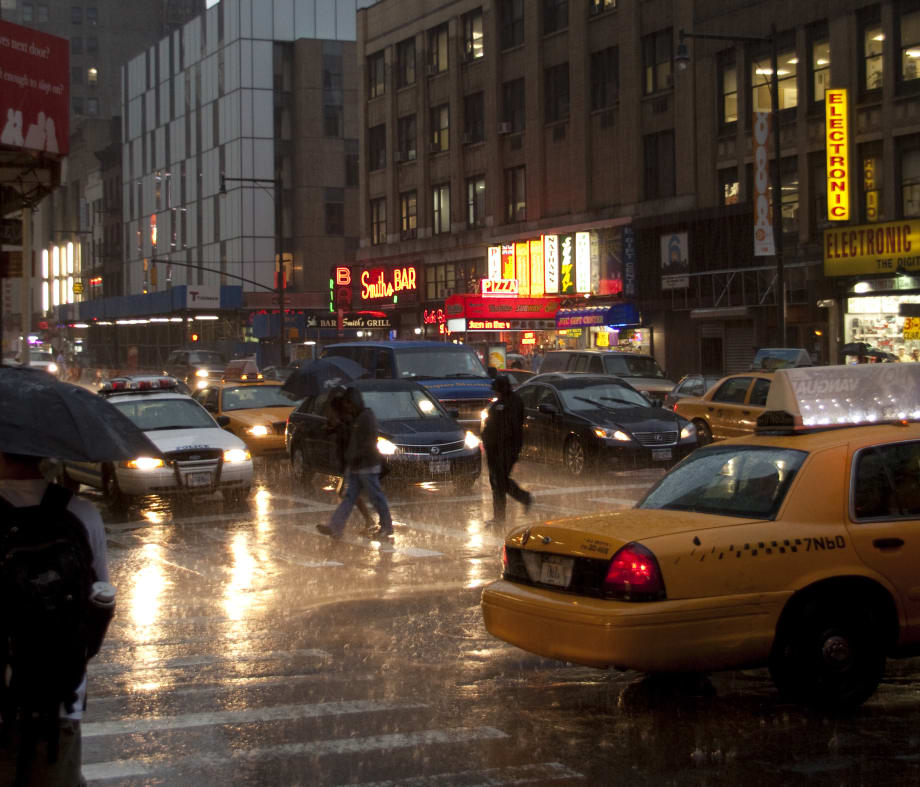
Photo via Flickr/Tony Hisgett
2 min to read
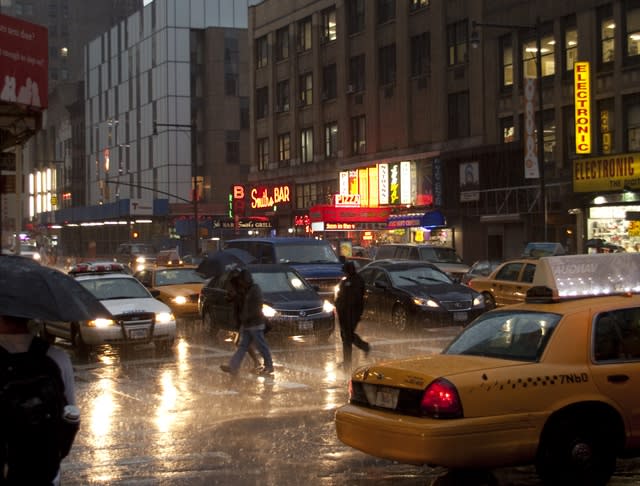
Photo via Flickr/Tony Hisgett
Under direction from Governor Andrew Cuomo, the State of New York began preparing its fleet Thursday for heavy rain, expected to continue through Friday. The combination of snowmelt and rain is expected to cause flooding throughout the state, and Gov. Cuomo directed many state agencies to prepare staff, assets, and stockpiles to support response efforts that may arise during flood watches and warnings across the state.
The state’s nine regional stockpiles were prepared with a sandbagging machine, generators, pumps, and hoses and over 768,000 fillable sandbags were distributed across the state. Swift water rescue teams, boats, and high-axle vehicles were prepared for deployment as well.
All State Police assets, including 4x4s, high-axle vehicles, and boats, are ready for deployment. Four airboats and four Zodiac boats have been paired regionally with swift water-trained rescue diving teams throughout the state. Troopers have been instructed to remain on high alert and to closely monitor flood prone areas for rising waters while on patrol.
The Department of Environmental Conservation (DEC) is closely monitoring the weather and has plans and personnel in place for potential flooding. DEC has emergency vehicles and equipment, including 4x4 vehicles, Utility Task Vehicles, boats, and other flood-related equipment prepped and ready to be deployed as needed across the state as needed.
The New York State Department of Transportation (NYDOT) is actively preparing for high water by readying equipment and staff who will conduct flood watches, monitor bridges as water rises, and respond as needed. DOT crews have been actively working to clear culverts and drainage basins to help ensure they flow freely. The NYDOT has 3,845 operators and supervisors statewide and is ready to respond with 1,463 large dump trucks, 322 loaders, 73 excavators, 21 graders, 12 bucket trucks, 17 vacuum trucks with sewer jets, five trailer mounted sewer jets, 12 water tankers, 13 water pumps, and four bulldozers.
More Operations

Town of Queen Creek Named Most Successful Fleet Award Winner of Inaugural RTA Fleet Success Awards
Five fleets were honored at RTA Connect 2026 in Chicago for excellence across resource efficiency, intentional culture, risk management, and stakeholder satisfaction.
Read More →
Sponsored•October 14, 2026
A buyer's guide to fleet management software in 2027
Buying fleet management software in 2027 means looking beyond features and price. As fleet operations, technology and expectations evolve, this guide explores what today’s fleet professionals should consider when choosing a system that can deliver value now and adapt to what comes next.
Read More →
Hazard Alerts, Fleet Car Sales Rise and a New Shuttle Concept
Fleet car sales doubled, but the bigger picture tells a different story in this week’s roundup.
Read More →
How St. Johns County Turned Fleet Data Into Better Replacement Decisions
St. Johns County, Florida, had fleet data, but turning it into reliable decision guidance was another matter. Instead of starting over with a new fleet management system, the county connected existing tools and built a scoring system that gives managers an objective look at fleet health.
Read More →
Fleet Forward Conference Introduces One-Day Passes for 2026
New one-day registration lets fleet professionals attend Tuesday, Wednesday, or Thursday, with passes available for $249.
Read More →
ENC Unveils its ZAVIR Medium-Duty Shuttle
Two variants of the concept shuttles were revealed: a low-floor configuration and a high-floor configuration.
Read More →
Could Your Next Fleet Technician Start as an Intern?
What if your next technician hasn’t worked in a fleet shop yet? What fleets are doing to free up time.
Read More →
How Phoenix Is Building Its Next Generation of Fleet Technicians
With more than 8,000 vehicles and pieces of equipment to maintain, the City of Phoenix could not afford to wait for fully trained technicians to walk through the door. Instead, they revamped their entire workforce strategy and showed how public fleets can create their own talent pipeline while preparing existing employees for increasingly complex vehicles.
Read More →
What’s Slowing Your Fleet Down?
Could a change in how work gets done help your fleet return vehicles to service sooner?
Read More →
Can Public Fleets Trust the Data Driving Their Decisions?
Public fleets have more data than ever, but inconsistent records and missing information can still undermine maintenance, replacement, and cost decisions.
Read More →