




Related: How to Start a Motor Pool
New York City Doubles Car Sharing Use
New York City fleet drivers increased their use of car sharing significantly in 2017, increasing average car share use by 98%. The city also increased its motor pool fleet by 8%.
by Staff
March 7, 2018
Photo via Open Grid Scheduler / Grid Engine/Flickr
1 min to read

Photo via Open Grid Scheduler / Grid Engine/Flickr
New York City fleet drivers increased their use of car sharing significantly in 2017, the city’s Department of Citywide Administrative Services (DCAS) reported in its second annual report on car sharing.
City drivers can use a private car sharing service, such as Zipcar, or they can use city-owned fleet vehicles — also know as motor pool vehicles.
In 2017, there were 95 agencies or divisions using the citywide private car share contract with Zipcar, a 72% increase from the 55 agencies and offices that participated in 2016. On average, all city accounts spent $149,000 per month on car share services in calendar-year 2017, an increase of more than 98% from the previous year.
In the last year, the city fleet expanded its city-owned car sharing fleet by 8% — to 764 vehicles. Most of these additions consisted of new electric vehicles (EVs). NYC Parks was the biggest partner on the citywide EV share initiative.
The city plans to reach at least 1,000 total shared vehicles in its motor pool in 2018 and is transitioning to Zipcar's Local Motion technology to manage its vehicles. It will also transition to a single city-wide, all-agency web portal for reservations and administration.
More Operations

Hazard Alerts, Fleet Car Sales Rise and a New Shuttle Concept
Fleet car sales doubled, but the bigger picture tells a different story in this week’s roundup.
Read More →
How St. Johns County Turned Fleet Data Into Better Replacement Decisions
St. Johns County, Florida, had fleet data, but turning it into reliable decision guidance was another matter. Instead of starting over with a new fleet management system, the county connected existing tools and built a scoring system that gives managers an objective look at fleet health.
Read More →
Fleet Forward Conference Introduces One-Day Passes for 2026
New one-day registration lets fleet professionals attend Tuesday, Wednesday, or Thursday, with passes available for $249.
Read More →
ENC Unveils its ZAVIR Medium-Duty Shuttle
Two variants of the concept shuttles were revealed: a low-floor configuration and a high-floor configuration.
Read More →
Could Your Next Fleet Technician Start as an Intern?
What if your next technician hasn’t worked in a fleet shop yet? What fleets are doing to free up time.
Read More →
How Phoenix Is Building Its Next Generation of Fleet Technicians
With more than 8,000 vehicles and pieces of equipment to maintain, the City of Phoenix could not afford to wait for fully trained technicians to walk through the door. Instead, they revamped their entire workforce strategy and showed how public fleets can create their own talent pipeline while preparing existing employees for increasingly complex vehicles.
Read More →
What’s Slowing Your Fleet Down?
Could a change in how work gets done help your fleet return vehicles to service sooner?
Read More →
Can Public Fleets Trust the Data Driving Their Decisions?
Public fleets have more data than ever, but inconsistent records and missing information can still undermine maintenance, replacement, and cost decisions.
Read More →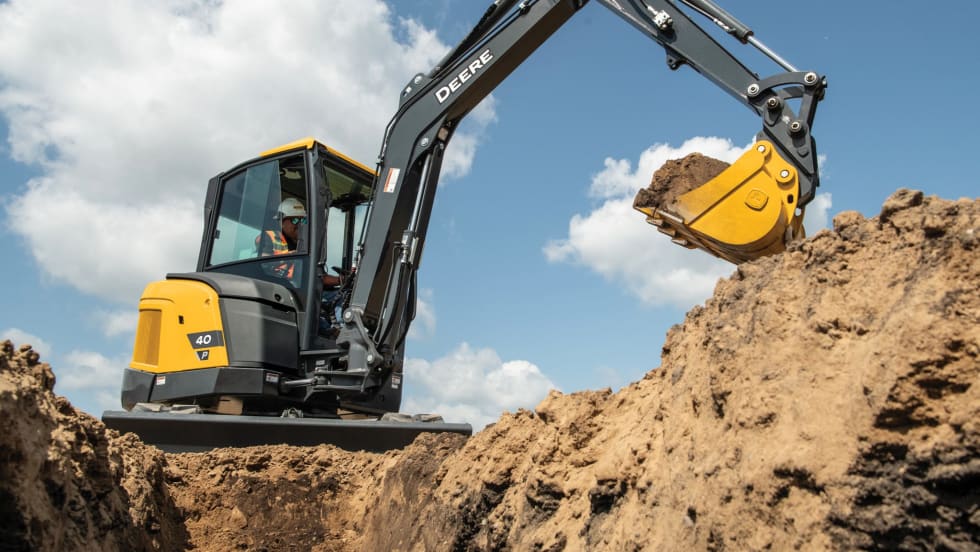
John Deere Introduces 40 P-Tier Compact Excavator
John Deere is adding a compact excavator designed for crews that need to move equipment between jobsites and handle multiple types of work with one machine. The 40 P-Tier weighs less than 10,000 pounds and offers configurable hydraulics, attachment options, and connected fleet-management capabilities.
Read More →
How Leading Fleets Improve and Why Business Plans Matter
This week, we look at what past Leading Fleet winners can teach us about making progress, plus how to build a business plan your fleet will actually use.
Read More →