




Zipcar Relaunches Local Motion for Motor Pool Management
Zipcar has begun offering vehicle management service Local Motion to government fleets to improve their motor pool operations through keyless fleet sharing after acquiring the company in late 2015.

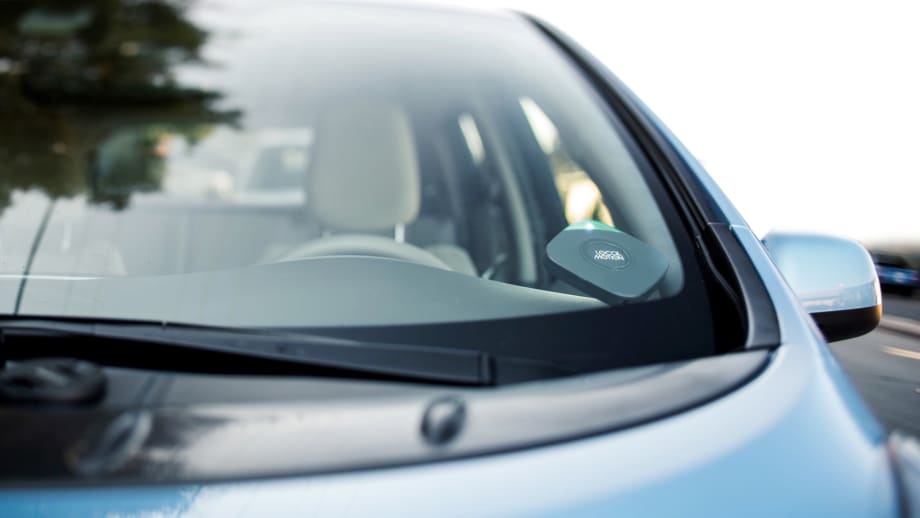
Photo courtesy of Zipcar.
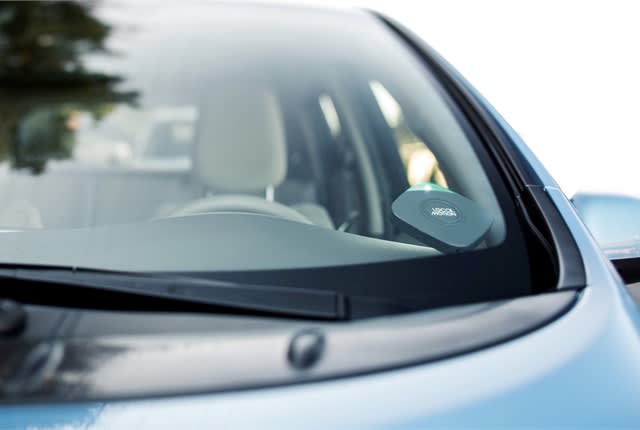
Photo courtesy of Zipcar.
Zipcar has begun offering vehicle management service Local Motion to government fleets to improve their motor pool operations through keyless fleet sharing in the same way Zipcar manages its 12,000 vehicles and over 1 million members, said Adrian Albus, director of business innovation and strategy for Zipcar.
When Local Motion first launched as a tech startup, the company aimed to bring the efficiencies of the sharing economy to enterprise and government entities. With employees sharing vehicles in an efficient way, fleets could potentially reduce the number of vehicles they maintain.
Employees can make reservations online through desktop, iOS, or Android and, when it’s time, employees can scan their RFID-enabled badge on the Local Motion hardware, to unlock the vehicle. But the most unique feature is the product’s “Tap & Go” functionality, allowing users on-demand access to a vehicle by scanning their RFID-enabled badge on any available car without booking. The service eliminates the need for a key box, motor pool attendant, and paperwork.
The Local Motion hardware also functions as a telematics device. It tracks vehicle location and usage so that managers have the information needed to make decisions about utilization and right-sizing.
Zipcar acquired the startup last year and relaunched the product in February. Albus said little about the product has changed. The main difference with the relaunched Local Motion is its service.
With Zipcar integration, customers are offered holistic solutions from Zipcar’s entire offering. Before, the service would allow fleets to get rid of extra vehicles by having employees share. Now, Zipcar takes the service a step further. If a fleet has a rarely used vehicle, they can sell it and rent a Zipcar when they do need it, Albus said.
Local Motion is compatible with mixed fleets as well. The product supports a variety of vehicle types, including sedans, utility trucks, electric vehicles, and golf carts.
Zipcar is also working to transition its customers to Local Motion from FastFleet, which was Zipcar's motor pool management solution before the acquisition.
“Many of Local Motion’s features, including Tap & Go, RFID integration with employee ID badges, next generation GPS tracking, and fuel monitoring, were features that had been on FastFleet’s roadmap for a long time — so being able to offer those features immediately to current and new customers was a top business priority post-acquisition.”
Albus also said that Zipcar plans to examine the broader application of the Local Motion software and hardware for its own day-to-day operations. “We have nearly one million car sharing members and are always looking for ways to improve member experience and enable simple and responsible urban living,” he said.
Since its relaunch, Albus said that Zipcar has implemented the Local Motion product for six customers and the company hopes to double that number by the end of the year.
More Operations

Hazard Alerts, Fleet Car Sales Rise and a New Shuttle Concept
Fleet car sales doubled, but the bigger picture tells a different story in this week’s roundup.
Read More →
How St. Johns County Turned Fleet Data Into Better Replacement Decisions
St. Johns County, Florida, had fleet data, but turning it into reliable decision guidance was another matter. Instead of starting over with a new fleet management system, the county connected existing tools and built a scoring system that gives managers an objective look at fleet health.
Read More →
Fleet Forward Conference Introduces One-Day Passes for 2026
New one-day registration lets fleet professionals attend Tuesday, Wednesday, or Thursday, with passes available for $249.
Read More →
ENC Unveils its ZAVIR Medium-Duty Shuttle
Two variants of the concept shuttles were revealed: a low-floor configuration and a high-floor configuration.
Read More →
Could Your Next Fleet Technician Start as an Intern?
What if your next technician hasn’t worked in a fleet shop yet? What fleets are doing to free up time.
Read More →
How Phoenix Is Building Its Next Generation of Fleet Technicians
With more than 8,000 vehicles and pieces of equipment to maintain, the City of Phoenix could not afford to wait for fully trained technicians to walk through the door. Instead, they revamped their entire workforce strategy and showed how public fleets can create their own talent pipeline while preparing existing employees for increasingly complex vehicles.
Read More →
What’s Slowing Your Fleet Down?
Could a change in how work gets done help your fleet return vehicles to service sooner?
Read More →
Can Public Fleets Trust the Data Driving Their Decisions?
Public fleets have more data than ever, but inconsistent records and missing information can still undermine maintenance, replacement, and cost decisions.
Read More →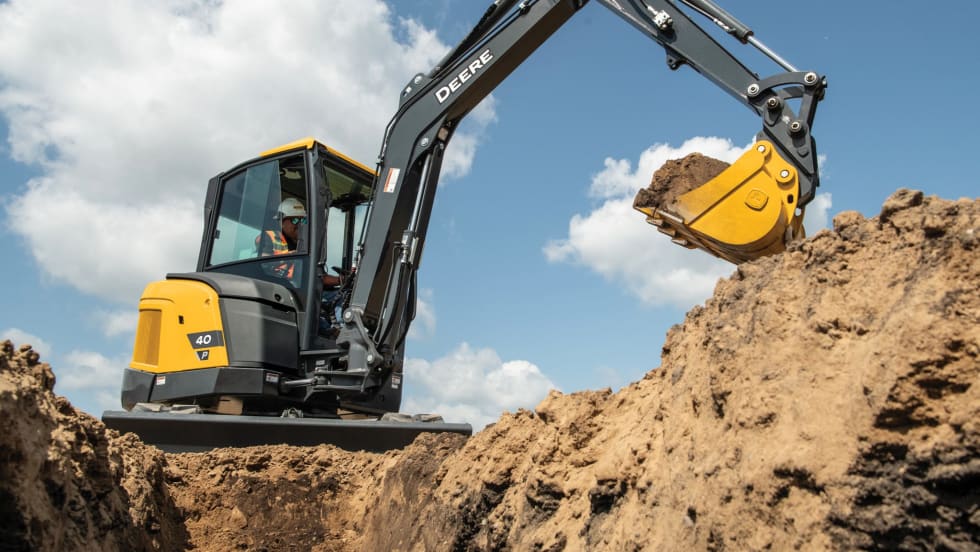
John Deere Introduces 40 P-Tier Compact Excavator
John Deere is adding a compact excavator designed for crews that need to move equipment between jobsites and handle multiple types of work with one machine. The 40 P-Tier weighs less than 10,000 pounds and offers configurable hydraulics, attachment options, and connected fleet-management capabilities.
Read More →
How Leading Fleets Improve and Why Business Plans Matter
This week, we look at what past Leading Fleet winners can teach us about making progress, plus how to build a business plan your fleet will actually use.
Read More →