





Learn More: Automating Driver Safety With ADAS
Netradyne Expands Product Line with Driveri D-210
The smaller form factor fleet safety device is designed to fit in any class of vehicle and use vision-based cameras and edge computing to promote safer driving, which provides flexible options for fleets.
November 25, 2020
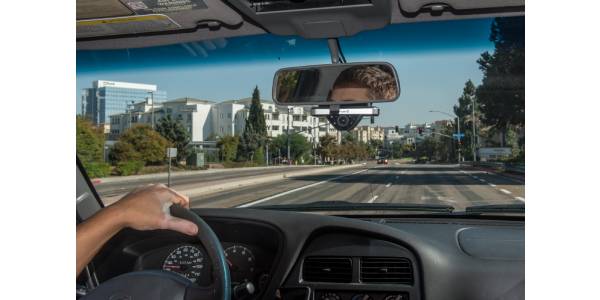
Photo: Netradyne
3 min to read
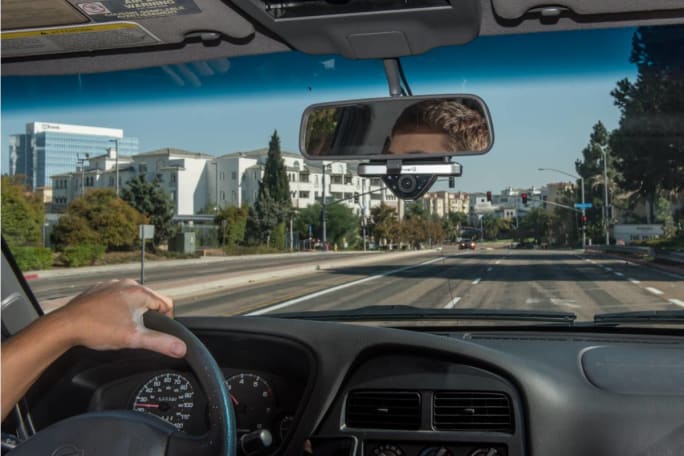
With a 50% reduction in footprint, the D-210’s camera system consists of dual HD inward and outward cameras that support high quality video recording and real-time event playback.
Photo: Netradyne
Netradyne announced Nov. 19 the expansion of its Driveri product line with the introduction of Driveri D-210. The D-210 joins the flagship Driveri (now named D-410), a vision-based safety platform that combines artificial intelligence with video, advanced onboard sensors, and edge computing to detect, reason, and determine causality of events.
Designed with small and medium sized commercial vehicles in mind, the D-210 has a smaller form factor yet brings the same high performance and feature rich functionality of the D-410. With a 50% reduction in footprint, the D-210’s camera system consists of dual HD inward and outward cameras that support high quality video recording and real-time event playback. Drivers and fleet managers have access to their performance in real-time through a mobile application and can track events in the moment and after the fact for coaching. Driveri customers have access to straightforward reports that can be used as the basis for safety rewards and improved performance.
“With the smaller footprint afforded by the new dual HD camera system in the D-210, we can now support any class of commercial vehicle with Driveri devices and the full stack Netradyne platform,” Netradyne CEO Avneesh Agrawal said. “The D-210 builds on the strong feature set of our flagship D-410 and enables drivers and operators of any fleet or vehicle class size to achieve real impacts in safety, productivity, and efficiency, all while achieving cost savings thanks to reduced incidents and the critical video recording and data sets for reported events.”
Powered by edge computing AI, Netradyne’s Driveri platform leverages a camera system looking both within and outside the vehicle which continuously analyzes driving scenes and road data while monitoring a driver’s behavior using AI embedded directly into the edge computing device. It captures diverse roads and traffic scenarios such as commercial driveways, temporary road closures, frontage roads, and school zones. To date, the system has recorded more than three billion minutes and more than one billion miles of mapped driving, "seeing" events that legacy "trigger-based" camera systems would not.
Among the first customers to deploy the D-210 is Aioi Nissay Dowa Insurance Services USA (AIS), a full service insurtech insurance agency developing new data science-based products and services for the future of transportation and the on-demand mobility industry.
“We evaluated many camera-based systems but we selected Netradyne based on the excellent AI-driven object detection and recognition that could also provide us with the precision-level data we need to assess driving risk and safety of a fleet vehicle in full context of the operating environment,” said Craig Lozofsky, chief operating officer at AIS. The company is deploying 300 units of the D-210 in a carshare fleet underscoring the variety of fleet vehicles and applications Netradyne can support with the D-210.
“When it comes to improving both overall business costs and road safety, AI based camera systems can protect every commercial vehicle regardless of class or miles driven,” said Adam Kahn, president of fleet business at Netradyne. “Whether you have a fleet of five or 5,000, increasing costs remain a challenge. A platform that uses a vision-based approach to collect and analyze data can help key stakeholders make sound decisions, mitigate costs, and reduce risk while boosting fleet performance.”
Fleets using Driveri experience safety improvements immediately upon deployment, and many report building a culture of safety within their fleets as demonstrated by an average of 61% improvement in complying with STOP signs and 57% improvement in complying with traffic lights (based on cumulative Netradyne data over a two year period). Additionally, a 2019 analysis of 4,360 vehicles traveling a combined 350 million miles shows a 45% reduction in accident frequency over a six-month time period, resulting in significantly reduced claims costs.
More Equipment
John Deere Adds SmartGrade Box Blades, Fire Suppression Option
John Deere is expanding the capabilities of its compact track loaders with new grading attachments and an equipment protection option. The additions include two SmartGrade box blades for the 333 and 335 P-Tier models and an integrated fire suppression system for large-frame machines.
Read More →
Volvo Updates L30 and L35 Compact Wheel Loaders With Redesigned Rear Frame
The updates aim to provide customers with more flexibility to use the machines for different jobs while improving service access and everyday operation.
Read More →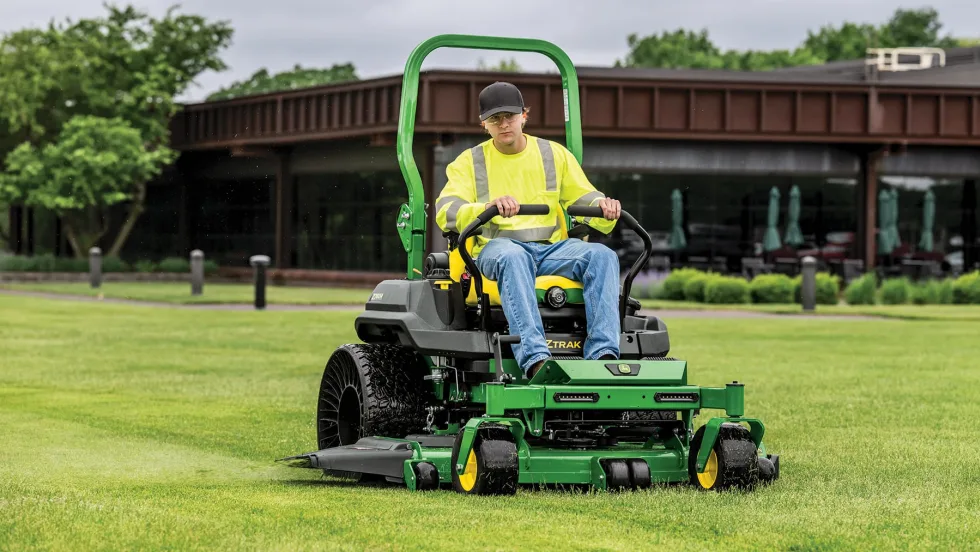
John Deere Updates Z700 ZTrak Commercial Mower Lineup
Public agencies responsible for maintaining large properties have several updated mower options from John Deere. The refreshed Z700 ZTrak lineup adds upgraded engines, transmissions, mower decks, and operator features across four models.
Read More →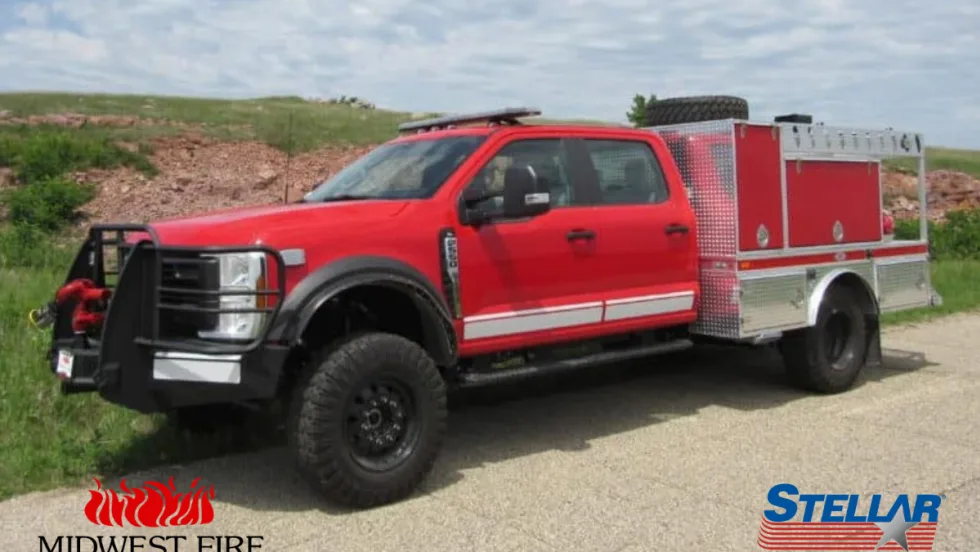
Stellar Industries Acquires Midwest Fire
The acquisition brings a manufacturer of custom fire apparatus under Stellar Industries, expanding the work-truck manufacturer into the fire and emergency response market. Midwest Fire will continue operating from its existing Minnesota headquarters as a distinct company.
Read More →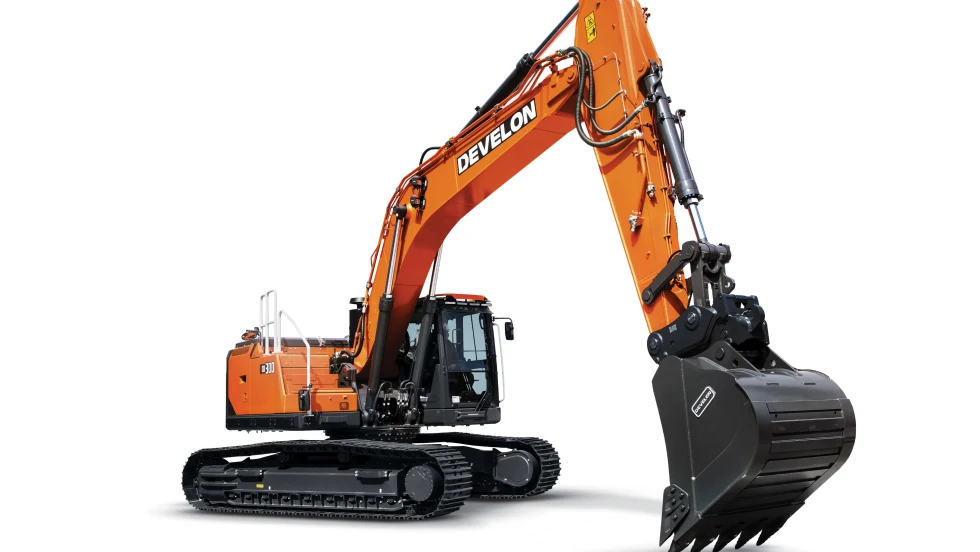
DEVELON Adds DX300LC-9 Excavator to -9 Series
For public works operations handling infrastructure, road, and utility projects, DEVELON has added a new 33-metric-ton excavator to its equipment lineup. The DX300LC-9 combines updated controls with technology designed to address operator safety, equipment monitoring, and machine operation.
Read More →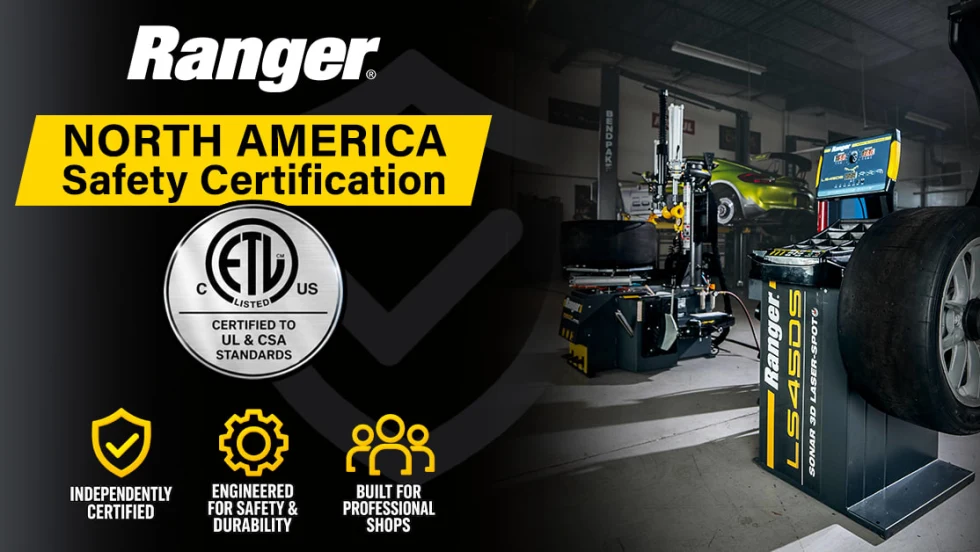
BendPak Ranger Wheel Service Equipment Receives Safety Certification
Equipment used every day in fleet maintenance shops comes with its own set of safety considerations. Following an 18-month redesign and testing process, BendPak's Ranger tire changers and wheel balancers have received certification to applicable U.S. and Canadian safety standards.
Read More →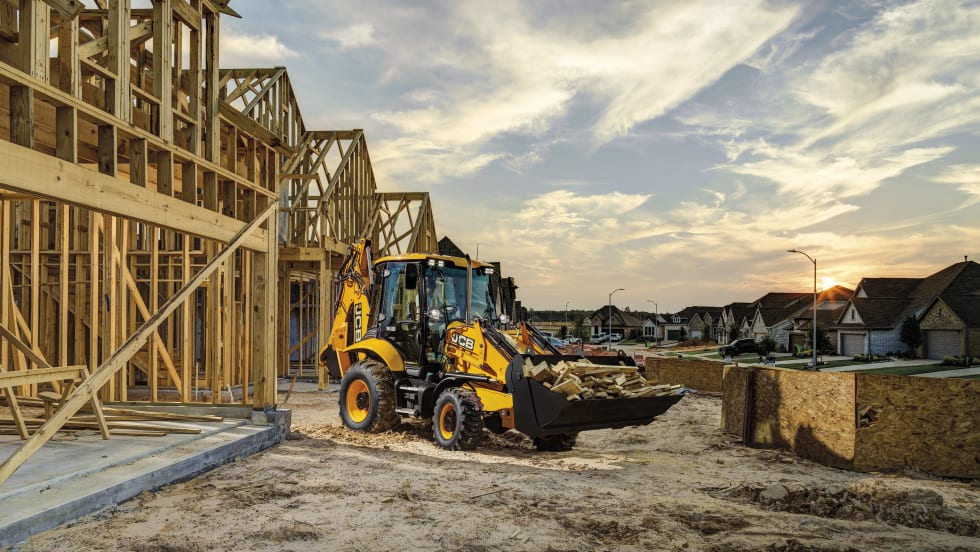
JCB Introduces Dual Drive System for Backhoe Loaders
Public works operators traditionally switch positions and controls each time they reposition a backhoe during excavation. JCB's new Dual Drive system is designed to allow operators to move the machine while remaining at the excavator controls.
Read More →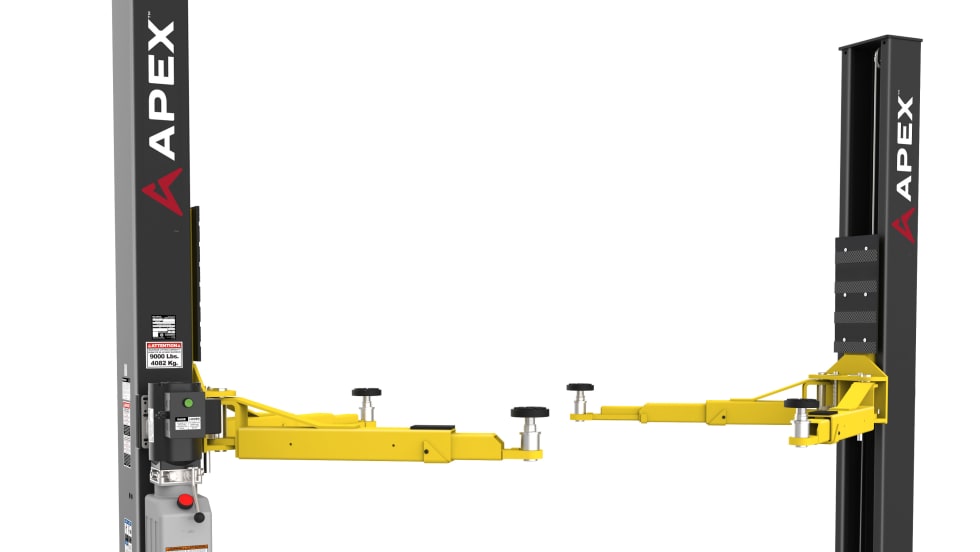
APEX by BendPak Launches AL9LC Two-Post Lift
The new low-ceiling floorplate car lift is designed to maximize overhead clearance for fleets.
Read More →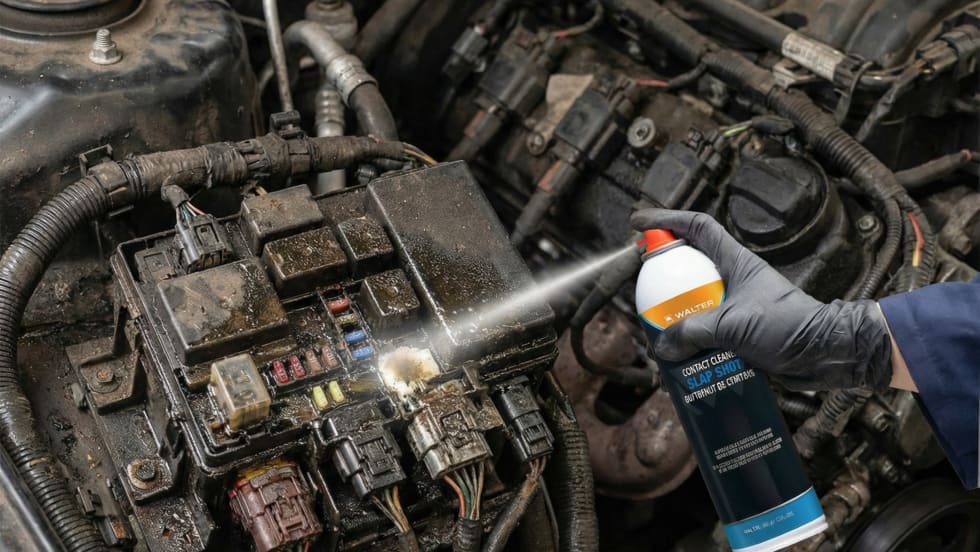
New Slap Shot Contact Cleaner: Heavy-Duty Cleaning Power Without the Residue
Slap Shot Contact Cleaner combines fast contaminant removal, rapid evaporation, moisture displacement, no-wipe cleaning, non-conductive performance, and residue-free cleaning into a single solution.
Read More →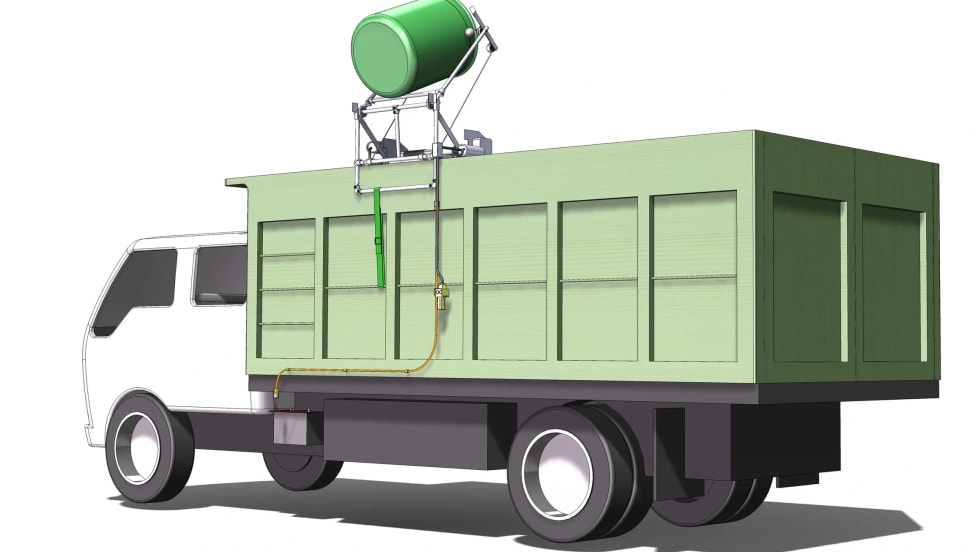
New Powered Carry Barrel Lift Helps Crews Dump Heavy Barrels Into Trucks With Less Manual Lifting
The Carry Barrel Lift is a new truck-mounted attachment designed to help landscape and municipal crews lift and dump heavy 60-gallon barrels more efficiently while reducing manual strain.
Read More →