




NASA Contractor Accused of Fleet Tire Fraud
The U.S. Attorney's Office accused a NASA contractor of prematurely replacing the tires of federal fleet vehicles at the Kennedy Space Center in a lawsuit filed Sept. 2.

Photo of Kennedy Space Center's Vehicle Assembly Building via Wikipedia.

Photo of Kennedy Space Center's Vehicle Assembly Building via Wikipedia.
The U.S. Attorney's Office accused a NASA contractor of prematurely replacing the tires of federal fleet vehicles at the Kennedy Space Center in a lawsuit filed Sept. 2.
The six-year scheme allegedly cost taxpayers $387,000 from June 2009 through April, according to federal prosecutors who brought the lawsuit against URS Federal Solutions and its subcontractor, Yang Enterprises Inc. under the U.S. False Claims Act.
URS and Yang received more than $1 billion via a contract with the General Services Administration to manage about 400 fleet vehicles. The companies submitted $387,000 in false claims for "an unprecedented number of tire replacements," according to a release from the Attorney's Office. Some of the replaced tires had fewer than 5,000 miles of wear. In one instance, URS ordered six tire replacements for one vehicle during a 27-month period.
In some cases, installed tires on federal vehicles appeared to have been removed and replaced by inferior tires by the time the vehicle was re-serviced. Roughly half of the vehicle fleet for which URS and Yang were responsible had vehicles with tires that did not last 60% of their expected tire life, the suit alleges.
"We expect government contractors to act with integrity when they fulfill their contractual obligations to the government," said A. Lee Bentley III, U.S. Attorney for the Middle District of Florida. "Overbilling for services that are not documented or not reasonable hurts the taxpayer."
More Maintenance

Freeing Technicians for Higher-Priority Repairs
Could paid interns help public fleets free up experienced technicians for more complex repairs?
Read More →
Stay ready, set and safer with verified fleet inspections
When fleet inspections aren’t verifiable, missed defects can quickly become downtime, safety risks, and service delays. This white paper shows government and municipal fleet leaders how digital inspections can improve accountability, catch issues earlier, and keep vehicles ready when they’re needed most.
Read More →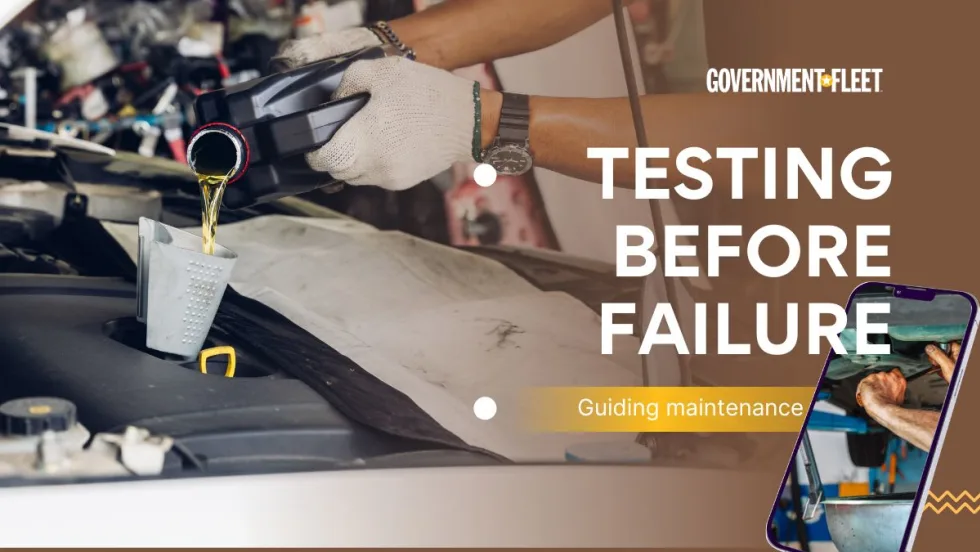
Using Oil Analysis to Help with Engine Losses
How a Texas city changed its lubrication practices and began tailoring preventive maintenance intervals after test results showed oil degradation and fuel dilution.
Read More →
Hidden in Plain Sight: Fleet Compliance Risks
Fleet compliance isn't just about having policies — it's about consistently enforcing them. This practical guide reveals six hidden compliance risks common in public sector and shared fleet operations and outlines proven strategies to improve visibility, accountability, and audit readiness.
Read More →
Is Your Fleet Garage Holding Back Your Operation? | The Fleet Breakroom
Norman Barrientos of Barrientos Design & Consulting explains how agencies can use operational data to show decision-makers why a replacement or major renovation is needed.
Read More →
Reducing Long-Term Maintenance Costs and Downtime
Downtime is rarely caused by a single surprise failure but rather by an issue that builds over time through setbacks ranging from deferred maintenance to poor replacement planning. So what's the fix?
Read More →
The Future of Government Fleet Technicians with Mike Cleary
Insight on preparing for hybrid and electric vehicle service, what fleets need to know about recruiting technicians in a competitive market, and how to make the most of limited training budgets.
Read More →
Work Orders Are More Than Records. They're a Roadmap to Fleet Availability
What if your work orders could predict failures, uncover hidden costs, and boost fleet availability? Here's how leading fleets are using the data.
Read More →
Drive More Profit with Greater Fleet Uptime
Fleet downtime costs money. JASPER helps keep vehicles on the road with quality remanufactured components, fast nationwide delivery, and reliable solutions that boost uptime and profitability.
Read More →
Smart Seasonal Maintenance Tips for Government Fleets
Government fleets carry extra weight, and routes, schedules, and public trust depend on reliability. A systematic spring checklist keeps vehicles in service when agencies need them most.
Read More →