




NAPA Deal to Reduce Ohio City's Parts Costs
The City of Dublin, Ohio, contracted with NAPA IBS in May to operate an automotive parts store within the fleet building. Since then, parts costs and vehicle downtime have decreased.
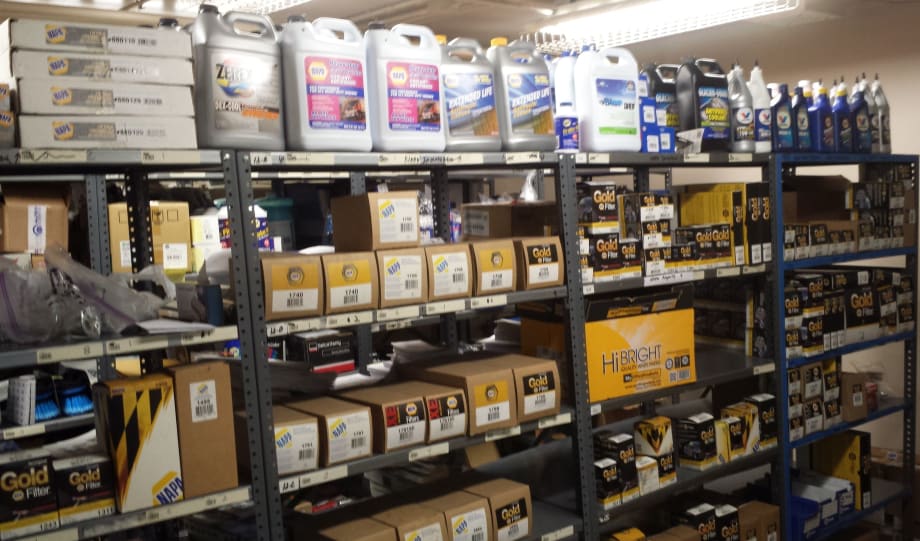
The City of Dublin contracted out its parts room to NAPA IBS in May. Photo courtesy of City of Dublin.
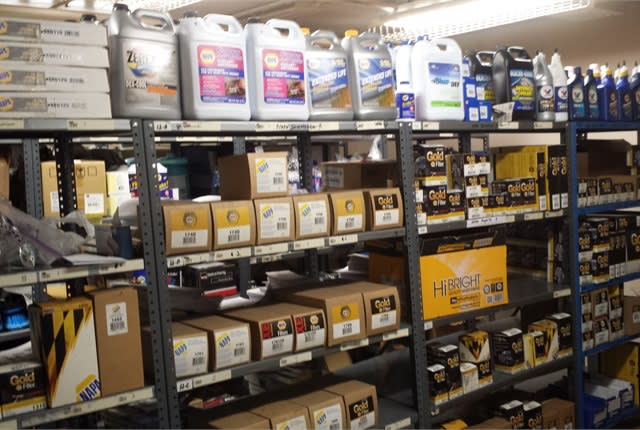
The City of Dublin contracted out its parts room to NAPA IBS in May. Photo courtesy of City of Dublin.
The City of Dublin, Ohio, began contracting with NAPA Genuine Auto Parts and Integrated Business Solutions (IBS) in May to operate an automotive supplies store within the city's fleet management building. Since May, the city has reduced its parts costs and technician time required to obtain parts.
"After only four months of experience with the in-house parts store, the City is already realizing cost savings and gains in efficiency," said Darryl Syler, fleet manager, in a release. "As of September, we have seen cost savings on auto parts of $7,200 and are expecting more than $25,000 in savings by next May."
Prior to pursuing a contract with NAPA, city staff determined that contracting out parts management could allow for more efficient uses of time by fleet technicians. While the city had a parts room with about $100,000 in inventory, it didn't employ any parts personnel, relying instead on the fleet administrator and technicians.
"The savings we're going to see over the course of the next year is going to come from the technicians not going to run for parts," Syler said.
The city's fleet management software tracks the amount of time that technicians spend working on each vehicle, and it has recorded a 2% reduction in vehicle downtime since the program began.
Since May, the city has reduced its parts inventory to about $60,000. Many parts are available on consignment through NAPA. Syler said as the fleet goes through its parts, NAPA will replace it with its own parts, slowly reducing the city's inventory. Syler's ultimate goal is to eliminate inventory except for tires and fuel.
Another benefit of the contract is that NAPA will work with the city's current parts vendors. The company will renegotiate contracts with vendors, allowing them to continue to provide parts to the city fleet, Syler said.
As the program moves forward, there are additional opportunities for citywide savings. According to Syler, "other divisions, including Engineering, Facilities Management, and Parks and Open Space have plans to purchase supplies through the NAPA store. The savings that the city is seeing in supply purchases allows us to use tax dollars more efficiently, which is great for the city and for taxpayers."
Dublin's fleet management division operates the City's fuel site that currently includes unleaded and diesel fuel and the second largest public-private compressed natural gas (CNG) fueling facility in central Ohio. The City of Dublin fleet consists of 281 vehicles, and includes 52 CNG vehicles. Fleet Management is an ASE Blue Seal Shop with six ASE Master Certificated Technicians.
More Maintenance

Freeing Technicians for Higher-Priority Repairs
Could paid interns help public fleets free up experienced technicians for more complex repairs?
Read More →
Stay ready, set and safer with verified fleet inspections
When fleet inspections aren’t verifiable, missed defects can quickly become downtime, safety risks, and service delays. This white paper shows government and municipal fleet leaders how digital inspections can improve accountability, catch issues earlier, and keep vehicles ready when they’re needed most.
Read More →
Using Oil Analysis to Help with Engine Losses
How a Texas city changed its lubrication practices and began tailoring preventive maintenance intervals after test results showed oil degradation and fuel dilution.
Read More →
Hidden in Plain Sight: Fleet Compliance Risks
Fleet compliance isn't just about having policies — it's about consistently enforcing them. This practical guide reveals six hidden compliance risks common in public sector and shared fleet operations and outlines proven strategies to improve visibility, accountability, and audit readiness.
Read More →
Is Your Fleet Garage Holding Back Your Operation? | The Fleet Breakroom
Norman Barrientos of Barrientos Design & Consulting explains how agencies can use operational data to show decision-makers why a replacement or major renovation is needed.
Read More →
Reducing Long-Term Maintenance Costs and Downtime
Downtime is rarely caused by a single surprise failure but rather by an issue that builds over time through setbacks ranging from deferred maintenance to poor replacement planning. So what's the fix?
Read More →
The Future of Government Fleet Technicians with Mike Cleary
Insight on preparing for hybrid and electric vehicle service, what fleets need to know about recruiting technicians in a competitive market, and how to make the most of limited training budgets.
Read More →
Work Orders Are More Than Records. They're a Roadmap to Fleet Availability
What if your work orders could predict failures, uncover hidden costs, and boost fleet availability? Here's how leading fleets are using the data.
Read More →
Drive More Profit with Greater Fleet Uptime
Fleet downtime costs money. JASPER helps keep vehicles on the road with quality remanufactured components, fast nationwide delivery, and reliable solutions that boost uptime and profitability.
Read More →
Smart Seasonal Maintenance Tips for Government Fleets
Government fleets carry extra weight, and routes, schedules, and public trust depend on reliability. A systematic spring checklist keeps vehicles in service when agencies need them most.
Read More →