




Missouri Fire Department to Electrify Dozens of Vehicles
The Kansas City Fire Department estimates that the net savings over the useful life of each EV compared to internal combustion engine (ICE) vehicles is $14,000 per vehicle.

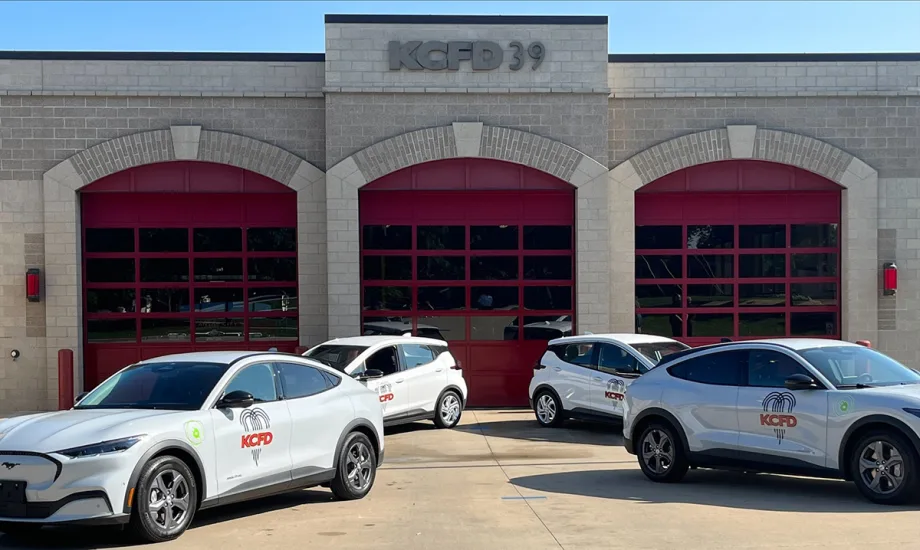
A total of 45 new EVs will be assigned to Kansas City, Missouri, Fire Department administrative chiefs, as well as the department's risk reduction office, which includes fire inspectors. Pictured here are two Ford Mustang Mach-Es, as well as two Chevrolet Bolts.
Photo: City of Kansas City
The Kansas City, Missouri, Fire Department (KCFD) is transitioning its light-duty fleet vehicles to electric vehicles (EVs).
Electrifying Administrative KCFD Vehicles
This initiative includes vehicles assigned to administrative chiefs in management, as well as the department's risk reduction office, which includes fire inspectors.
The department ordered 45 new electric vehicles, including:
This fleet replacement is part of KCFD's ongoing sustainability and fiscal responsibility commitment.
The department estimates that the net savings over the useful life of each EV compared to internal combustion engine (ICE) vehicles is $14,000 per vehicle, with an estimated total savings of over $600,000 for this recent set of EVs ordered.
The fire department has 22 chargers placed at eight stations around the city.
“I’m proud to stand here with members of the Kansas City Fire Department today. Our first department to take a substantial delivery of electric vehicles," Mayor Quinton Lucas said. "Kansas City City Council, City Manager, and the Mayor’s office have worked hard to make sure that we are using more electric vehicles that will be safer long term, cleaner and more affordable for our taxpayers. One of our city’s goals is to be environmentally sustainable and carbon neutral by 2040 and to make sure our entire fleet of electric vehicles are installed by 2030."
Commitment to a Greener Fleet Citywide
In regard to EVs, Kansas City's municipal fleet currently consists of 16 Chevy Bolts, and 13 other various EVs, a department spokesperson told Government Fleet.
Government Fleet reported that in 2021, City Manager Brian Platt directed all new municipal fleet purchases for the city must be EVs when available.
“This is one of the many ways that Kansas City is prioritizing sustainability, not just for our operations but for our city as a whole," Platt said. "Reducing harmful emissions from vehicles, from buildings, from all the things that happen in the city is one of the many ways that we are helping to improve the quality of life and air in Kansas City. We are becoming an example nationally of how cities can improve our environment, become leaders in sustainability and do better for our residents and our visitors."
The department's transition to an electric fleet aligns with the city's wider goals to promote green initiatives and serves as a model for other departments in the region.
"We are responsible for future generations to think and act sustainably. Transitioning to electric vehicles is one step in fulfilling this commitment," Interim Fire Chief Ross Grundyson said.
More Green Fleet
Sustainability Partners, Energy Systems Group Help Albuquerque Close the Gap on its 100% Renewable Energy Goal
The eight-site, 6 MW solar project has advanced the city toward 100% renewable energy for municipal operations.
Read More →
Port Authority and CALSTART Launch $45 Million Electric Truck and Charging Programs
The programs aim to boost sustainable operations across the East Coast's busiest seaport.
Read More →
Moving Government Fleets Beyond the Vehicle Purchase: EV as a Service
A discussion on how EVaaS is moving beyond pilot programs and what fleets should consider before beginning a larger deployment.
Read More →
Moving Government Fleets Beyond the Vehicle Purchase: EV as a Service
As fleets move beyond small EV pilots, Sustainability Partners CEO Adam Cain explains how EVaaS can address the infrastructure and long-term planning required for larger deployments.
Read More →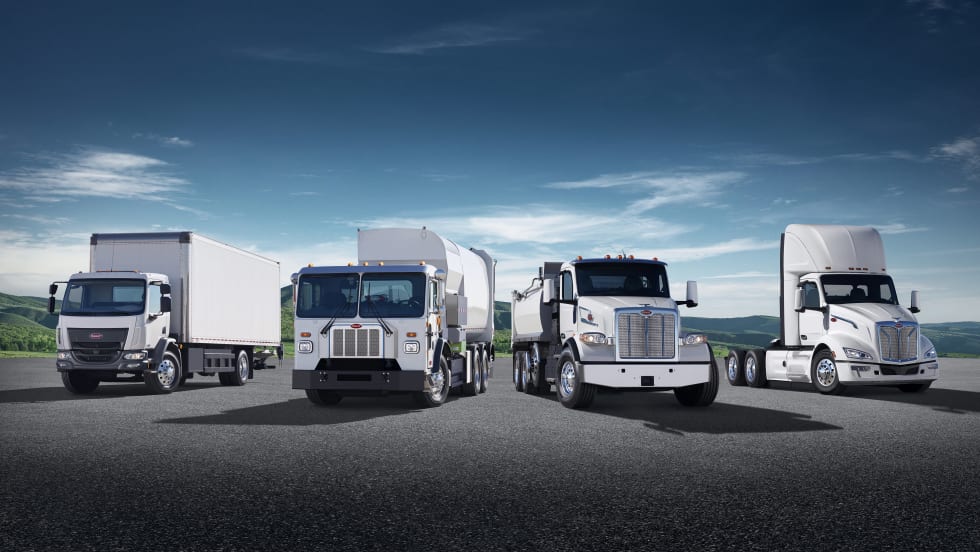
Peterbilt Expands Sourcewell Partnership with Electric Vehicle Lineup
The agreement aims to provide streamlined procurement of Peterbilt trucks for government, education, nonprofit and tribal organizations across the United States and Canada.
Read More →
EV Adoption & Charging Challenges
Where is your fleet in the journey of vehicle electrification? If you're still looking for answers to fleet electrification you've come to the right place.
Read More →
Hawaii Passes Clean Fuel Policy
Hawaii lawmakers passed clean fuel legislation that could support renewable natural gas production, biogas-powered transportation, and lower-carbon fueling options for public and commercial fleets.
Read More →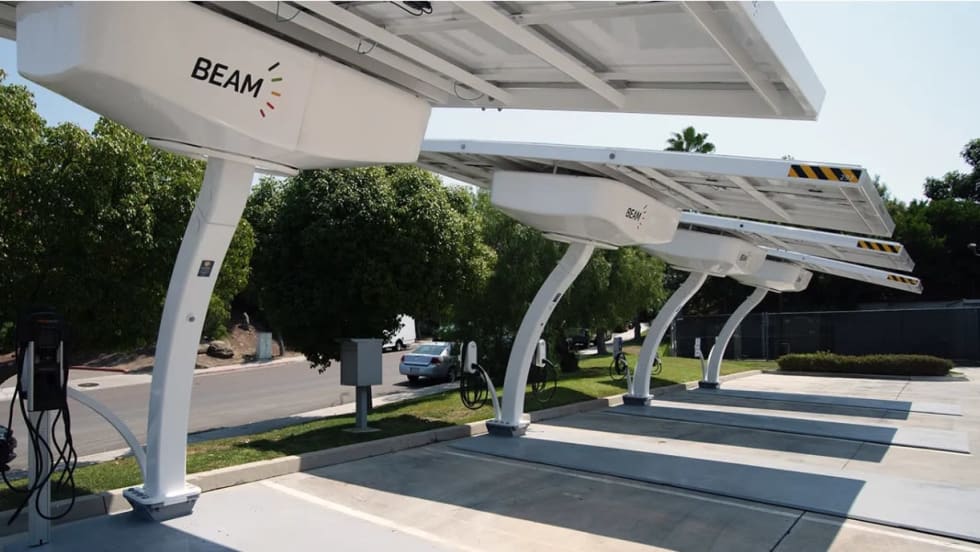
Stanislaus County Deploys Ten Beam Global EV ARC Systems to Support County Fleet Electrification
Stanislaus County deployed 10 off-grid solar-powered EV charging systems and a mobile charging trailer from Beam Global to support its electric fleet operations and emergency response flexibility.
Read More →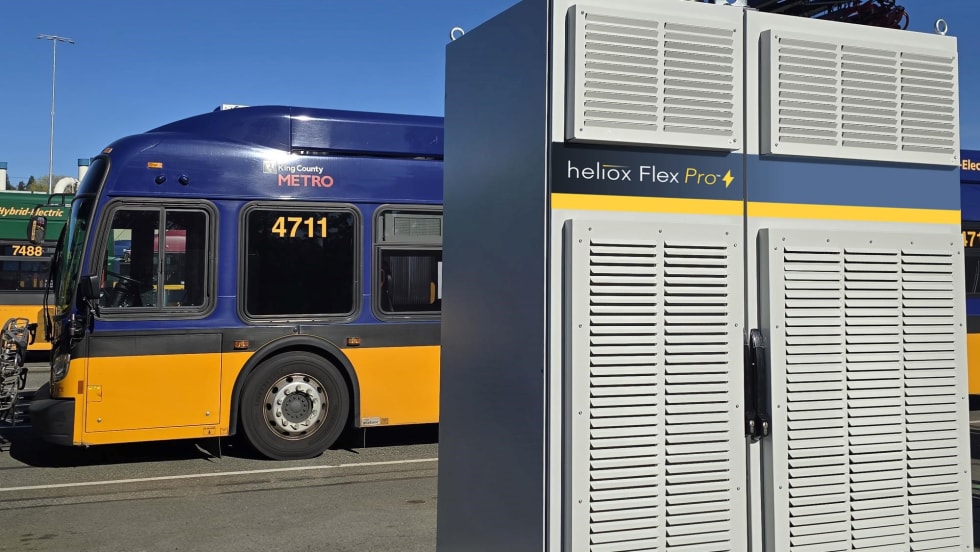
Heliox Pilots 480-kW Bus Charger with King County Metro
King County Metro is piloting Heliox’s new 480-kW Flex Pro charger to support expansion of its battery-electric bus fleet and depot charging infrastructure. The compact charging system supports pantograph and plug-in charging configurations for high-density transit operations.
Read More →