




Minn. Gov. States Plan to Reduce Gas Use in State Fleet by 50 Percent
ST. PAUL, MN – Minnesota Gov. Tim Pawlenty announced a plan to reduce state gas consumption in the government vehicle fleet by 50 percent, according to news sources. The plan also calls for a doubling of ethanol levels in gasoline to 20 percent in the state.
ST. PAUL, MN – Minnesota Gov. Tim Pawlenty announced a plan to reduce state gas consumption in the government vehicle fleet by 50 percent, according to news sources. The plan also calls for a doubling of ethanol levels in gasoline to 20 percent in the state. The proposal would reduce gas consumption by state vehicles by 50 percent by 2015, and petroleum-based diesel fuel 25 percent by that date. Pawlenty said the state would achieve reductions through a combination of steps, including increased use of alternative fuels, increased fuel efficiency of the state fleet by purchasing “hybrid” and more fuel-efficient vehicles, and increased use of electronic government activities. The 20 percent ethanol mandate would take effect when 50 percent or more of new model vehicles are warrantied for such a fuel, or by 2010, whichever occurs first. Foreign countries like Brazil already use ethanol blends, with E-100 used in about 40 percent of the country’s cars. The remaining vehicles use blends of 24 percent ethanol with 76 percent gasoline. The governor cited a research report from Minnesota State University that showed there were no drivability or material compatibility problems experienced by 15 vehicles of various years, makes, and models using ethanol with a 30 percent blend.
More Operations
Improving Fleet Efficiency with Motorpool Technology
Government Fleet caught up with Daniel McGehee, Head of Sales, US, and APAC, Ridecell, about top concerns for motorpools, keyless technology, and how motorpools have transformed the way fleets are managed.
Read More →
How the Right Public Works Equipment Can Ease Your Bottom Line
Government Fleet sits down with Mark Allison, Director of Excavator Products, Gradall, and Tod Ebetino, Director, Vacall Products, to discuss the importance of using the right equipment that can make jobs more efficient and cost-effective.
Read More →
How Government Fleets Are Turning Connected Vehicle Data Into Practical Decisions
Public sector fleets are using connected technology to improve visibility, but the bigger challenge is building the processes to act on the information it provides.
Read More →
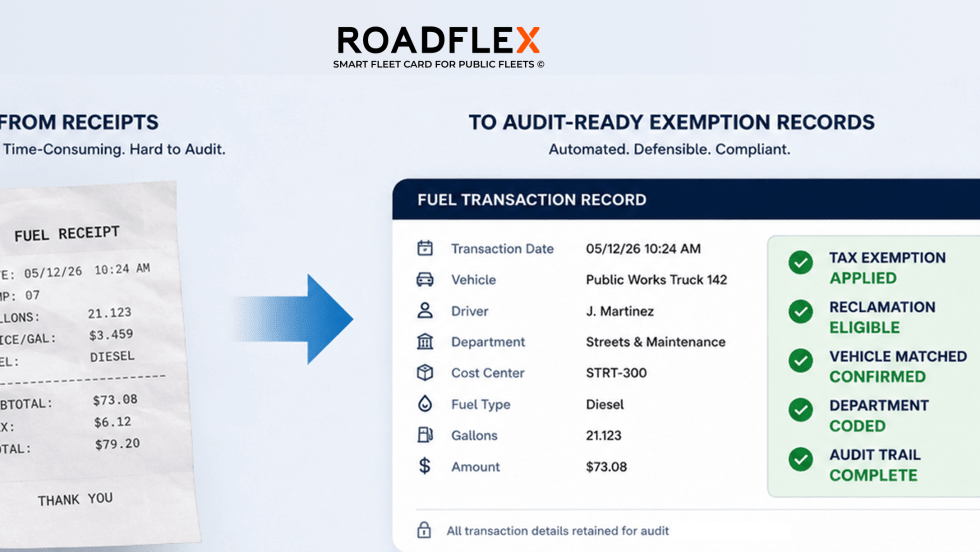
RoadFlex Brings Fuel Tax Compliance and Audit-Ready Reporting to Government, Public Works Fleets
New capabilities aim to help public-sector and public works fleets streamline fuel tax exemptions, reclamation, reconciliation, and audit-ready reporting.
Read More →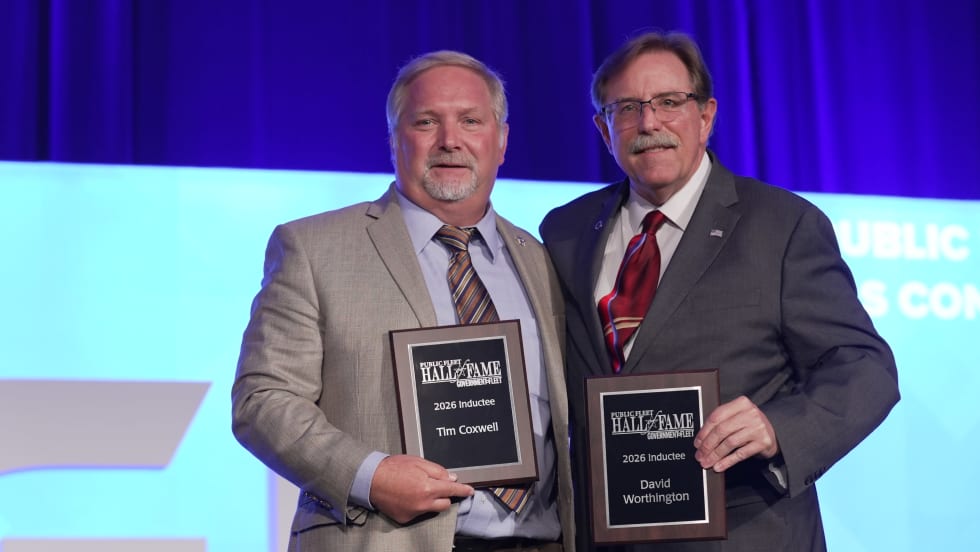
2026 Public Fleet Hall of Fame Inductees Honored
This year's class includes leaders whose work has helped shape the public fleet industry.
Read More →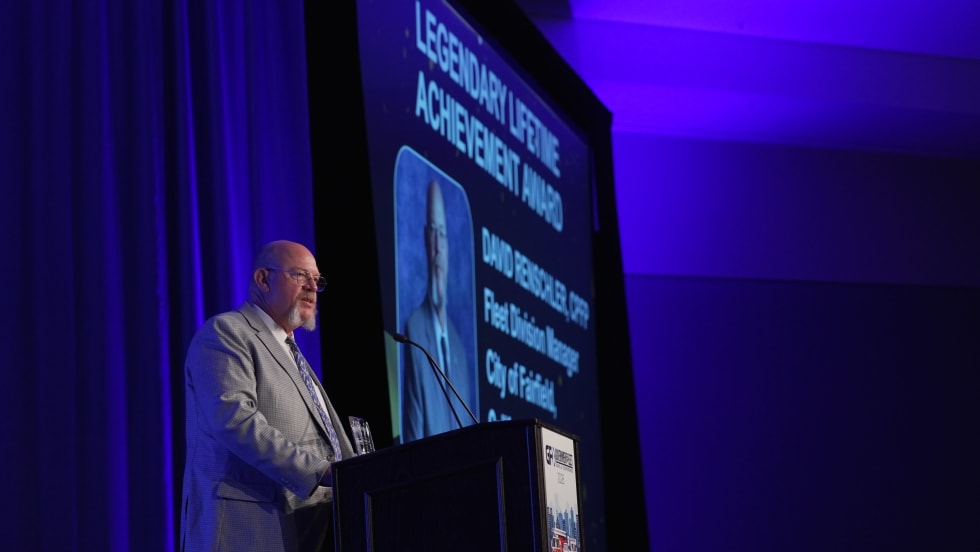
David Renschler Receives 2026 Legendary Lifetime Achievement Award
Andy Campbell of Sourcewell, which partnered with Government Fleet in presenting the award, recognized Renschler.
Read More →
Ross Jackson Jr. Named 2026 Public Sector Fleet Manager of the Year
His leadership, innovation, and commitment to excellence earned him one of the industry's top honors.
Read More →
Public Fleet Professionals Set to Converge as GFX Gets Underway
Known as the largest gathering of public fleet professionals in the nation, GFX will feature in-depth training sessions, emerging fleet technologies, and access to leading suppliers and service providers.
Read More →
The Technician Pipeline: Finding, Keeping, and Promoting Techs Within the Operation
A look at where to find good talent, what fleets are doing to incentivize those techs to stay within the fleet, and what promotion looks like for a technician within the public sector.
Read More →
5 Public Fleet Stories Worth Revisiting Before GFX | The May Dispatch
Public fleet leaders are being asked to prepare for more, communicate better, and make decisions that hold up under pressure.
Read More →