




Maricopa County Fleet To Go Green
MARICOPA, AZ - Maricopa County will replace its fleet of vehicles with hybrids and other fuel-efficient vehicles, the Board of Supervisors recently decided.
MARICOPA, AZ - Maricopa County will replace its fleet of vehicles with hybrids and other fuel-efficient vehicles, the Board of Supervisors recently decided, according to The Arizona Republic.
Over time, the county's 2,000 cars, sport utility vehicles and trucks will be swapped for less-polluting vehicles rated by the Environmental Protection Agency's Green Vehicle Guide.
Instead of making purchasing decisions based mostly on cost, supervisors will weigh environmental costs before they OK funding for new vehicles.
The county's fleet travels 25 million miles a year and puts out more than 30 million pounds of emissions, both pollutants and greenhouse gases.
County officials estimate they could cut that down by between 3 million and 15 million pounds a year, depending on how much they can afford spending on the more-efficient cars, which tend to cost more.
"We're just owning up to our fraction of the total amount of emissions," said Daren Frank, administrative director for the county's Regional Development Services Agency.
"These pollutants, when they combine with each other and other elements in the air, create haze and greenhouse gases. It gets worse as we end up having to service things farther and farther away as development occurs."
Local governments across the country are responding with policies to combat global warming and lower pollution as public awareness has increased, and going green has become more fashionable, national experts said.
Counties from Washington to Virginia have put in place a wide range of plans that include everything from alternative-fuel vehicles to "green purchasing policies" that require energy-efficient light bulbs, recycled paper and pens made out of recycled plastic.
"They're more aware and trying to do more about it, and they're taking action, not just talking about it," said Abby Friedman, program director of the National Association of Counties in Washington, D.C.
Maricopa County's new policy allows officials to buy a range of cleaner vehicles, from the most fuel-efficient unleaded vehicles to biomass-fueled vehicles to hybrids.
It's too early to tell how much money the county will spend on the effort, officials said.
One scenario puts the cost estimate of replacing all 312 of the county's small and midsize cars with the most-efficient vehicles at $7 million over a decade. Under that scenario the county would save about $1.1 million in fuel costs and 1.3 million pounds of emissions.
The county's fleet includes 32 classes of vehicles, ranging from small compact cars such as Ford Focuses, to large SUV Suburbans to heavy duty semitractor-trailers.
Vehicles are replaced when they reach 10 years, or 100,000 miles. Replacements likely will begin within six months.
More Operations
Hazard Alerts, Fleet Car Sales Rise and a New Shuttle Concept
Fleet car sales doubled, but the bigger picture tells a different story in this week’s roundup.
Read More →
How St. Johns County Turned Fleet Data Into Better Replacement Decisions
St. Johns County, Florida, had fleet data, but turning it into reliable decision guidance was another matter. Instead of starting over with a new fleet management system, the county connected existing tools and built a scoring system that gives managers an objective look at fleet health.
Read More →
Fleet Forward Conference Introduces One-Day Passes for 2026
New one-day registration lets fleet professionals attend Tuesday, Wednesday, or Thursday, with passes available for $249.
Read More →
ENC Unveils its ZAVIR Medium-Duty Shuttle
Two variants of the concept shuttles were revealed: a low-floor configuration and a high-floor configuration.
Read More →
Could Your Next Fleet Technician Start as an Intern?
What if your next technician hasn’t worked in a fleet shop yet? What fleets are doing to free up time.
Read More →
How Phoenix Is Building Its Next Generation of Fleet Technicians
With more than 8,000 vehicles and pieces of equipment to maintain, the City of Phoenix could not afford to wait for fully trained technicians to walk through the door. Instead, they revamped their entire workforce strategy and showed how public fleets can create their own talent pipeline while preparing existing employees for increasingly complex vehicles.
Read More →
What’s Slowing Your Fleet Down?
Could a change in how work gets done help your fleet return vehicles to service sooner?
Read More →
Can Public Fleets Trust the Data Driving Their Decisions?
Public fleets have more data than ever, but inconsistent records and missing information can still undermine maintenance, replacement, and cost decisions.
Read More →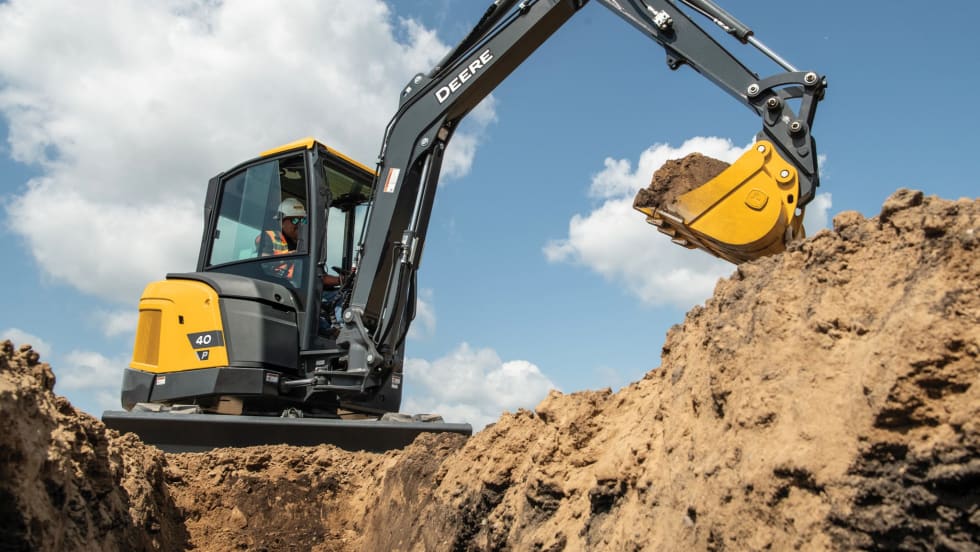
John Deere Introduces 40 P-Tier Compact Excavator
John Deere is adding a compact excavator designed for crews that need to move equipment between jobsites and handle multiple types of work with one machine. The 40 P-Tier weighs less than 10,000 pounds and offers configurable hydraulics, attachment options, and connected fleet-management capabilities.
Read More →
How Leading Fleets Improve and Why Business Plans Matter
This week, we look at what past Leading Fleet winners can teach us about making progress, plus how to build a business plan your fleet will actually use.
Read More →