




Want more? Check out How the Right Public Works Equipment Can Ease Your Bottom Line
Managing Public Perception of Public Works Fleets
When the work you do is highly visible, so are the grievances that the public might build against your department; however, there are steps managers can take to ensure their fleet is spotless in the eyes of the communities they serve.
by Rachael Plant
October 4, 2022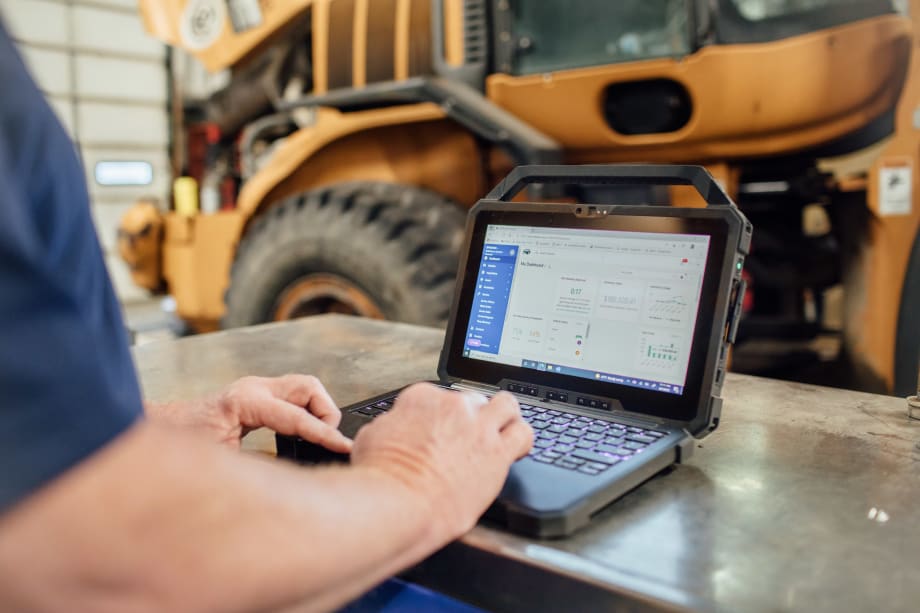
Using FMS, fleets can determine and overcome mobilization obstacles to provide communities with a better sense of safety.
Photo: Fleetio
4 min to read
It’s no secret that taxpayer dollars are invested in public works (PW) fleets, and those same taxpayers are heavily invested in what their dollars are going toward. This means heavy public scrutiny when it comes to services provided, time to service, and asset procurement. But how can PW fleets address the community’s concerns while still adopting the best tools, equipment, and other assets for the job?
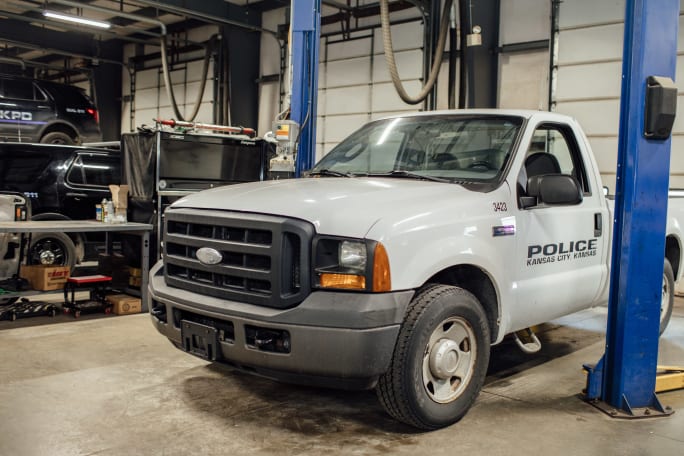
Getting assets in and out of the shop quickly is another factor in decreasing downtime.
Photo: Fleetio
Performance Evaluations can Surface Issues
It’s hard to address concerns without knowing what they are, and PW fleets can experience public backlash for anything from “flashy” vehicle procurement to delayed response times. One way PW fleets can better educate the public is through data transparency.
While many fleet managers are focusing on ways to translate fleet successes and opportunities to stakeholders, translating fleet data to the public is a whole other issue. When it comes to asset procurement, the public may only see the aesthetic appeal versus things like reduced service costs, improved uptime, and employee satisfaction — the latter being critical for employee retention.
Community and employee surveys can surface issues within both the public’s perception and internal workflow processes. Using data collected from surveys, fleet managers can hone in on productivity issues and cross reference shortcomings in the shop and on the road with public grievances to nail down and address the cause.
Determining issues is only one step toward boosting fleet productivity and public perception. Afterward, it’s important to set attainable, sustainable, scalable goals for improvement. Such goals can include things like improving uptime and extending asset lifecycles through strict preventive maintenance (PM) adherence, improving communication for better service times, streamlining maintenance and repair workflows to decrease the amount of time assets spend in the shop, and reducing fleet costs through strategic procurement and replacement cycles.
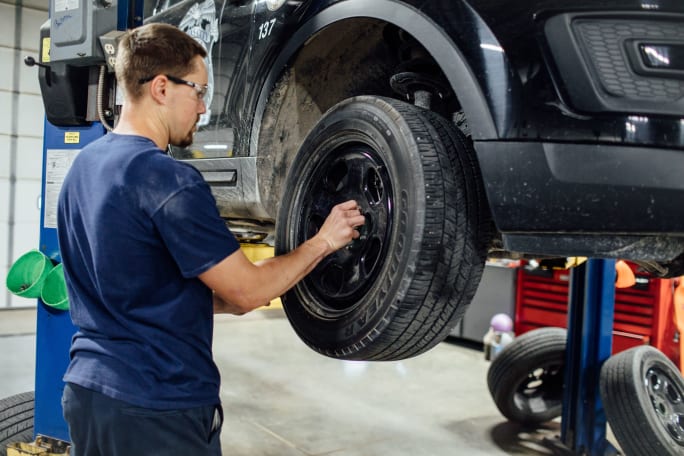
Using data collected from surveys, fleet managers can hone in on productivity issues
Photo: Fleetio
Proper Maintenance and Procurement Provide Safety, Reliability
Asset downtime can negatively affect the communities you serve. PM is a significant component in improving uptime and productivity and mitigating service costs. PM compliance can address a host of downtime issues; however, compliance doesn’t necessarily mean that some things won’t get missed. Tailoring PM schedules to asset needs provides a higher level of safety — for drivers/operators and the public — and decreases repair instances for improved uptime and lower service spend.
Getting assets in and out of the shop quickly is another factor in decreasing downtime. PW fleets are seeing benefits from implementing an integrated fleet management software (FMS) to automate service workflows and improve communication between all parties involved.
Digital work orders in FMS provide detailed service information, including parts and labor costs, and can track service duration as well as active time logged on specific work orders. This allows fleets to hone in on and correct inefficiencies in the shop.
Using downtime and associated cost data, fleets can better advocate for new asset procurement by demonstrating that continuing to use assets past their useful life is not only inflating costs, it’s tanking productivity. Justifying asset procurement to the public may not seem like a priority, but explaining the benefits of new asset procurement through data can ease public concerns that PW fleets are frivolously spending money.

Community and employee surveys can surface issues within both the public’s perception and internal workflow processes.
Photo: Fleetio
Improved Mobilization Times Make a Difference
PW fleets have to be able to mobilize quickly to optimize response times, which is especially important in the case of emergency events caused by severe weather or natural disasters. It’s imperative that workers be able to get on the scene in a timely manner so communities aren’t left without water or power for extensive periods of time. Inefficiencies such as understaffed fleets, lack of assets, and extended asset downtime can negatively impact mobilization and response times — and the public takes notice of excessive response times.
Using FMS, fleets can determine and overcome mobilization obstacles to provide communities with a better sense of safety. FMS can integrate with other fleet and business solutions to give managers an in-depth view of fleet health and productivity.
FMS automatically generates customizable, easy-to-read reports based on all collected data so you can see exactly where to prioritize changes to optimize operations for increased response times and improved public perception.
About the Author: Rachael Plant is a content marketing specialist for Fleetio, a fleet management software company that helps organizations track, analyze and improve their fleet operations.
More Operations

Is Keeping Older Fleet Vehicles Really Saving Money?
Is keeping vehicles longer saving money, and what happens when a diagnostic test points to the wrong fix?
Read More →
How Smart Fleet Strategy Can Help Local Government Agencies Do More with Less
Keeping a vehicle longer may ease this year’s budget, but what does it cost the next one? A closer look at fleet decisions can reveal opportunities to reduce spending while protecting essential services.
Read More →
Connect with Government Fleet on LinkedIn
From industry news and fleet management strategies to conversations with peers, Government Fleet's LinkedIn page offers public-sector fleet professionals another way to stay informed and connected.
Read More →
Town of Queen Creek Named Most Successful Fleet Award Winner of Inaugural RTA Fleet Success Awards
Five fleets were honored at RTA Connect 2026 in Chicago for excellence across resource efficiency, intentional culture, risk management, and stakeholder satisfaction.
Read More →
Sponsored•October 14, 2026
A buyer's guide to fleet management software in 2027
Buying fleet management software in 2027 means looking beyond features and price. As fleet operations, technology and expectations evolve, this guide explores what today’s fleet professionals should consider when choosing a system that can deliver value now and adapt to what comes next.
Read More →
Hazard Alerts, Fleet Car Sales Rise and a New Shuttle Concept
Fleet car sales doubled, but the bigger picture tells a different story in this week’s roundup.
Read More →
How St. Johns County Turned Fleet Data Into Better Replacement Decisions
St. Johns County, Florida, had fleet data, but turning it into reliable decision guidance was another matter. Instead of starting over with a new fleet management system, the county connected existing tools and built a scoring system that gives managers an objective look at fleet health.
Read More →
Fleet Forward Conference Introduces One-Day Passes for 2026
New one-day registration lets fleet professionals attend Tuesday, Wednesday, or Thursday, with passes available for $249.
Read More →
ENC Unveils its ZAVIR Medium-Duty Shuttle
Two variants of the concept shuttles were revealed: a low-floor configuration and a high-floor configuration.
Read More →
Could Your Next Fleet Technician Start as an Intern?
What if your next technician hasn’t worked in a fleet shop yet? What fleets are doing to free up time.
Read More →