





Related: Minn. Fire Department Uses Contract Purchasing to Replace Two Trucks with One
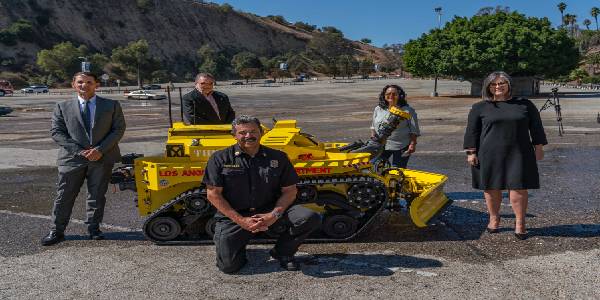
Los Angeles Fire Department Debuts Robotic Firefighting Vehicle
The Thermite RS3 is a compact, low-center of gravity, wide chassis, industrial robotic firefighting vehicle.
October 14, 2020
2 min to read
The Los Angeles City Fire Department debuted the first robotic firefighting vehicle in the United States, putting it to use on its first day in service.
The Thermite RS3 (manfactured by Textron: Howe & Howe Technologies) is a compact, low-center of gravity, wide chassis, industrial robotic firefighting vehicle. It is capable of flowing 2,500 gallons per minute and is remotely operated with a controller, which provides high-definition video feedback for ultimate maneuverability in difficult conditions.
New challenges continue to emerge in the fire service, and the LAFD is committed to leveraging technology to enhance firefighting operations while reducing risk to firefighters. While the RS3 is not the answer to all types of firefighting, it will assist with safe interior fire operations on large commercial fires, wood-framed structures under construction, structural defense at wildfires, large animal rescues, fuel tanker fires, auto storage fires, and much more.
The LAFD Foundation received a generous donation to purchase the RS3 and donate it to the department.
The RS3 was formally introduced to the public at press conference on Oct.13, 2020. However, it had already gotten dirty at an early morning major emergency commercial structure fire that morning.
The RS3 will be housed at Fire Station 3 in Downtown LA as a part of the Urban Search and Rescue Task Force. It will be deployed to incidents via a dedicated trailer towed by a pick up truck. The LAFD trained operators with the assistance of the developers from Textron. These operators are now LAFD trainers and will develop multiple operators throughout the department.
Technical Specifications:
3500 lbs.
5’5” wide
5’5” tall
7’ long
8 mph top speed
8,000 lbs. winch
50% slope
35% side slope
Front Plow blade to push debris, including vehicles
Compatible for Interchangeable accessories for future needs
36 HP Diesel engine
Run time of 20 hours without refueling
Hose stream reach of 300 ft. horizontal & 150 ft. Vertical
2,500 GPM
More Procurement
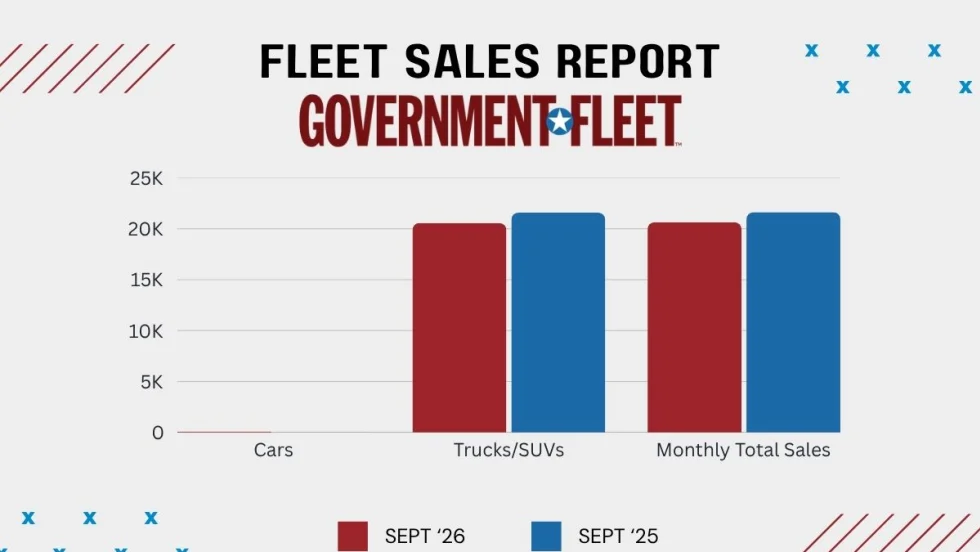
Government Fleet Car Sales More Than Double in September
Government fleet car sales rose 112.8% year over year in September, climbing from 39 to 83 units even as total monthly sales declined 4.5%.
Read More →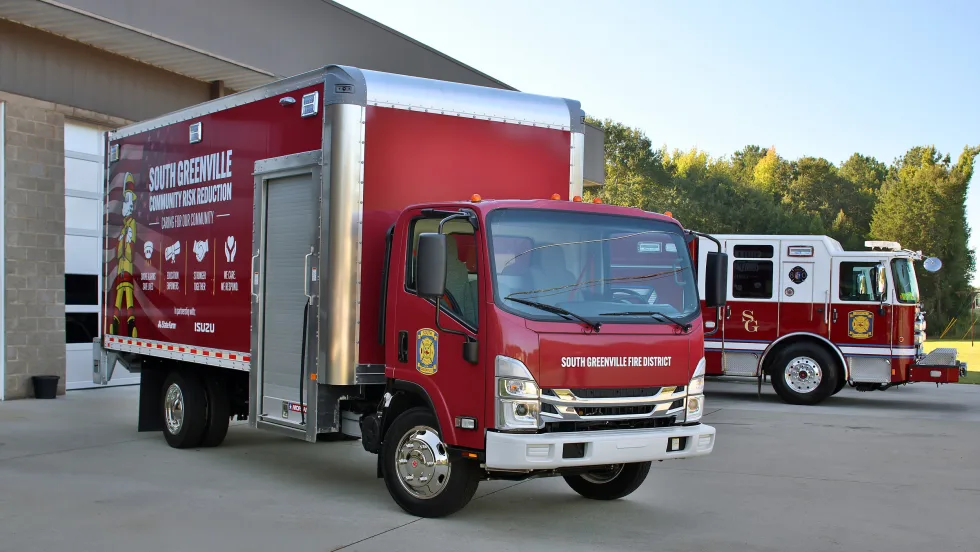
Isuzu Donates New N-SERIES NRR Truck to South Greenville Fire District to Support Community Outreach
Isuzu NRR equipped with Morgan truck body and PALFINGER liftgate will help support fire safety education, community engagement and outreach programs throughout Southern Greenville County.
Read More →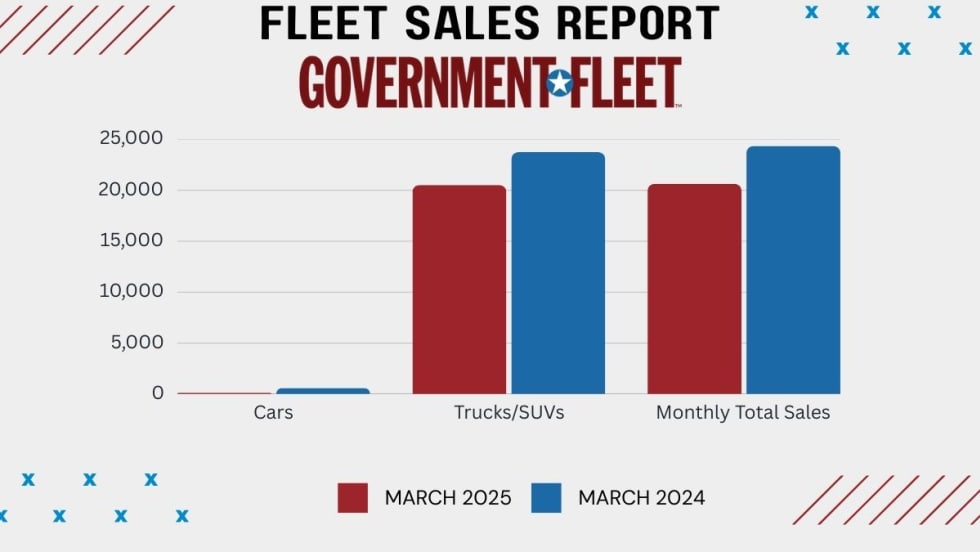
Government Vehicle Sales See Continued Growth from Beginning of Year
Government fleet sales rose from both January and February monthly totals, which were both under 20,000.
Read More →
Updated: Trump Signs Proclamation Imposing 25% Tariff on Auto Imports
A new proclamation signed by President Trump imposes a 25% tariff on imported passenger vehicles and key auto parts, citing national security concerns.
Read More →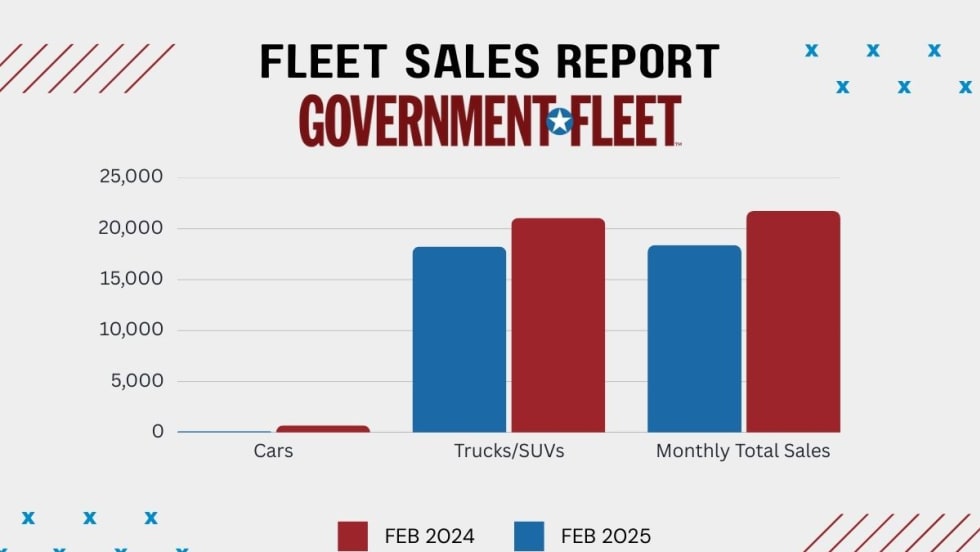
Government Vehicles Sales See Another Dip Compared to 2024
Government fleet sales last month came in at 18,383 vehicles, falling 15.4% from 21,737 in February 2024.
Read More →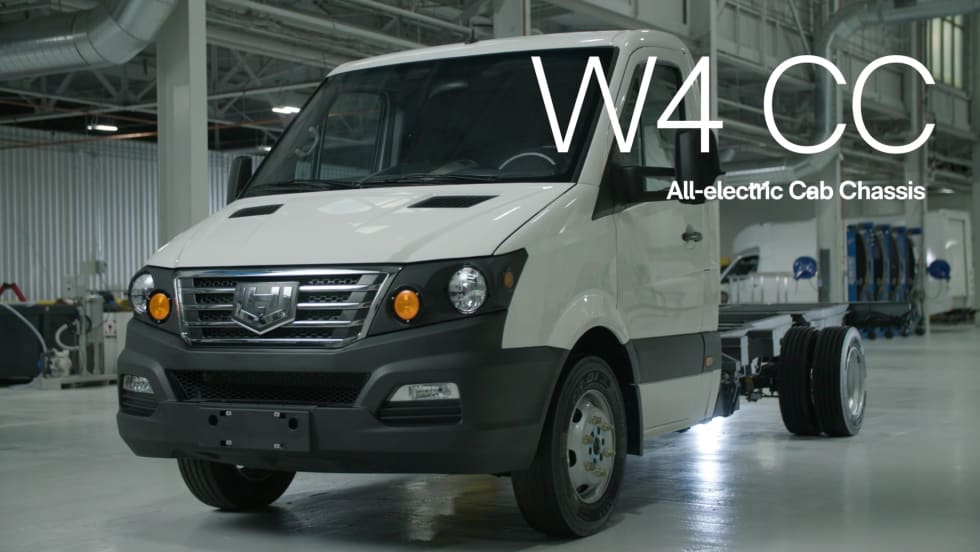
Washington Municipality Adds Workhorse Electric Trucks to Fleet
The municipality will deploy two W4 CC electric work trucks for trash and recycling can switch-outs, enhancing the efficiency of its waste management services.
Read More →
From the Archives: Changes in Fleet Acquisitions
When vehicles become harder to acquire, fleet managers must balance keeping vehicles on the road longer while managing the escalating operating costs of older vehicles.
Read More →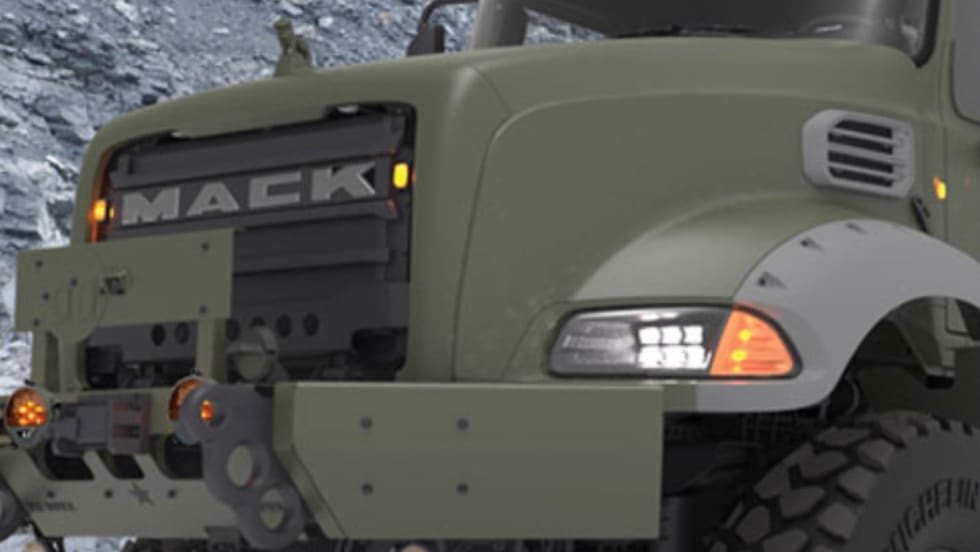
Mack Defense Awarded Contract By U.S. Marine Corps To Develop Medium Tactical Truck
The U.S. Marine Corps awarded Mack Defense a 12-month contract for the initial development of a new Medium Tactical Trucks (MTT) fleet.
Read More →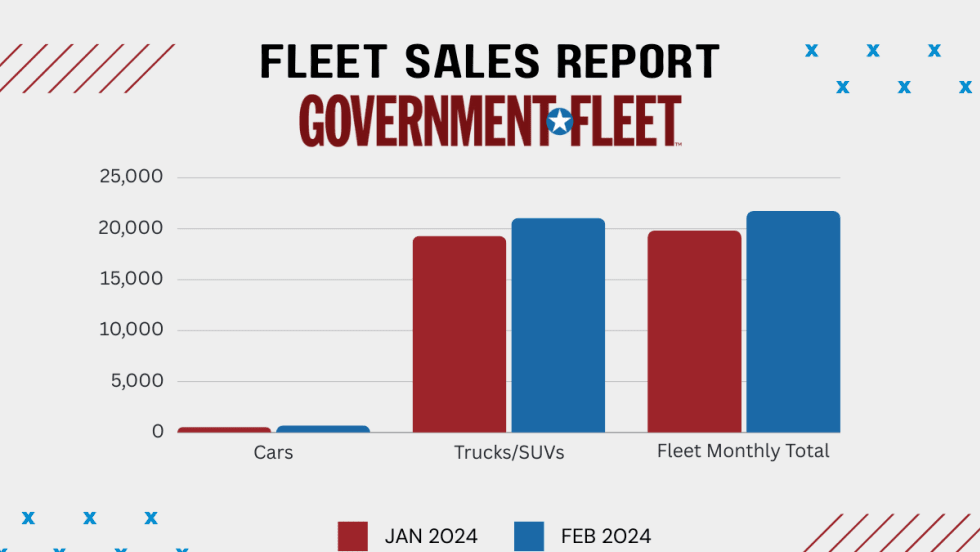
Government Vehicle Sales Rise from January to February
Government vehicle sales continue to rise into 2024 with both car and truck/SUV sales climbing between January and February of 2024, according to Bobit/Government Fleet sales data released March 2.
Read More →
How the UAW Strike Affected Government Fleet Orders from the Big 3
Government Fleet asked the Big 3 how their operations have been in the weeks since the UAW strike ended, with new contracts ratified. Plus, automakers address concerns about vehicle delivery delays.
Read More →