




Iowa City Cuts Salt Use With Webtech System
Using Webtech Fleet Center, West Des Moines has cut its salt usage from 4,000 to 5,000 tons in 2007 and 2008, to less than 2,300 tons in 2012 and 2013 combined even with an expanded infrastructure.
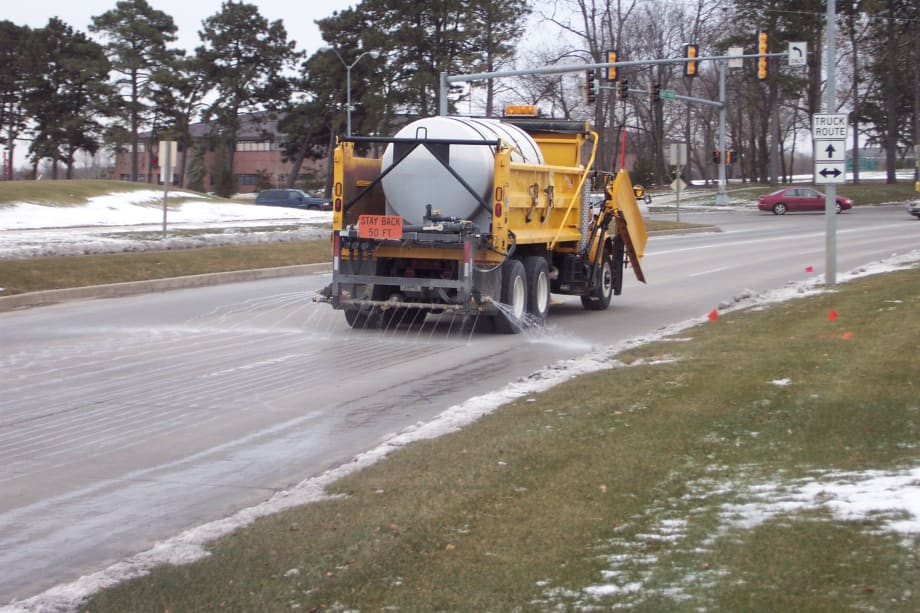
Photo courtesy of Webtech Wireless
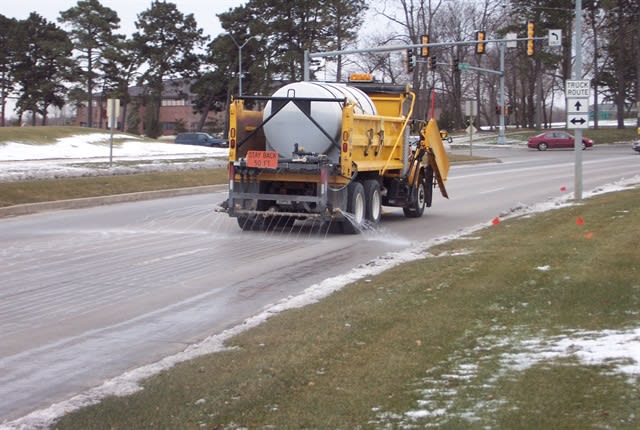
Photo courtesy of Webtech Wireless
West Des Moines, Iowa, has been using Webtech Fleet Center for nine years. Webtech Fleet Center is installed in 40 of the city’s vehicles and has been a boon to the success of the city’s fleet management, according to Webtech Wireless.
Using Webtech Fleet Center, West Des Moines has cut its salt usage from 4,000 to 5,000 tons in 2007 and 2008, to less than 2,300 tons in 2012 and 2013 combined even with an expanded infrastructure.
Bret Hodne, director of public works, believes that his agency’s success can be credited to its three operational pillars. He says that all three pillars tie together into having a good fleet management solution in place, and Webtech Fleet Center is an integral part of it.
The first of three operational pillars is training and educating his staff. Hodne says that his agency properly educates its staff on how de-icer materials work, from both a chemical and operational standpoint. Without proper training, an operator may use more de-icer than is needed because he/she is not educated in the proper amount that is needed.
However, even with proper education, an operator may still accidently use more material than is needed if he or she does not have a way of accurately measuring the material. This is the agency’s second pillar, having a control apparatus in city vehicles that are integrated into the fleet management solution that can apply the precise amount of material needed for a given task.
The last pillar is the fleet management solution itself. It provides all the important information that a fleet manager might need like whether or not the city has met its target, and if not, what’s needed to reach that target.
More Operations

Could Your Next Fleet Technician Start as an Intern?
What if your next technician hasn’t worked in a fleet shop yet? What fleets are doing to free up time.
Read More →
What’s Slowing Your Fleet Down?
Could a change in how work gets done help your fleet return vehicles to service sooner?
Read More →
Can Public Fleets Trust the Data Driving Their Decisions?
Public fleets have more data than ever, but inconsistent records and missing information can still undermine maintenance, replacement, and cost decisions.
Read More →
How Phoenix Is Building Its Next Generation of Fleet Technicians
With more than 8,000 vehicles and pieces of equipment to maintain, the City of Phoenix could not afford to wait for fully trained technicians to walk through the door. Instead, they revamped their entire workforce strategy and showed how public fleets can create their own talent pipeline while preparing existing employees for increasingly complex vehicles.
Read More →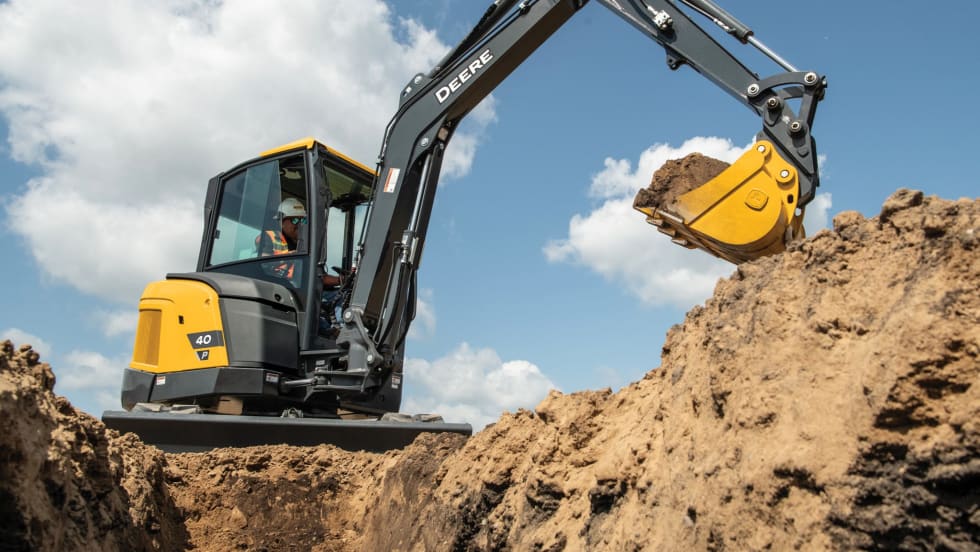
John Deere Introduces 40 P-Tier Compact Excavator
John Deere is adding a compact excavator designed for crews that need to move equipment between jobsites and handle multiple types of work with one machine. The 40 P-Tier weighs less than 10,000 pounds and offers configurable hydraulics, attachment options, and connected fleet-management capabilities.
Read More →
How Leading Fleets Improve and Why Business Plans Matter
This week, we look at what past Leading Fleet winners can teach us about making progress, plus how to build a business plan your fleet will actually use.
Read More →
Nominate a Fleet Leader for the 2027 Public Fleet Hall of Fame
Do you know a fleet leader who has made a lasting impact on the industry? Nominate this fleet professional for the 2027 Public Fleet Hall of Fame.
Read More →
Why Fleet Business Plans Need Three Perspectives
A fleet business plan should help agency leaders understand the fleet’s value, give the organization a clear direction, and establish shared expectations with customer departments.
Read More →
How Oil Analysis, Safety Technology, and Fleet Awards Drive Improvement
What happens when fleets let measured results guide their next decision?
Read More →
Emergency Response, Fleet Sales and New Technology
This week’s fleet news covers emergency preparedness, shifting vehicle sales, electric truck investments, and new tools for monitoring road conditions.
Read More →