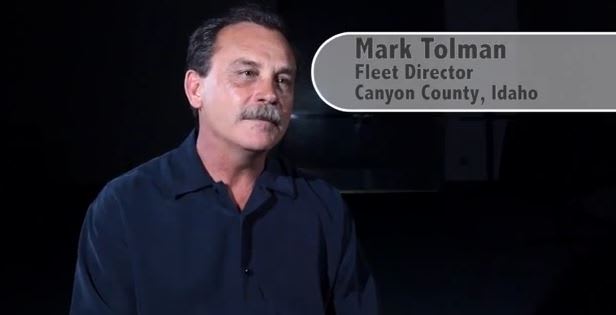
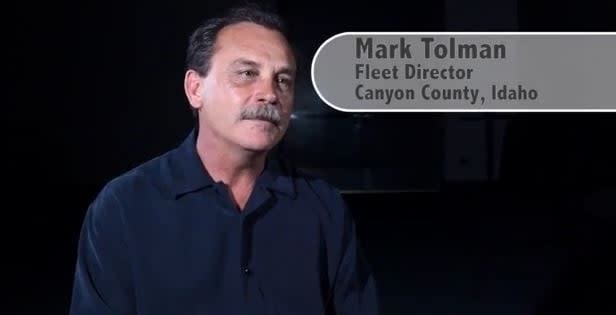
In Government Fleet's Knowledge Sharing video series, Mark Tolman, fleet director for Canyon County, Idaho, discusses how being a technician aided him in fleet management and the importance of training new employees.
In Government Fleet's Knowledge Sharing video series, Mark Tolman, fleet director for Canyon County, Idaho, discusses how his 10 years as a technician aided him in fleet management and why training new employees properly is vital to running a successful fleet.
Ad Loading...
Tolman started his fleet career 23 years ago. After working as a technician for 10 years, he transitioned into a fleet management role. Under Tolman's direction, Canyon Couny has been recognized as an award-winning fleet. Tolman has implemented an idle reduction program that allows emergency vehicles to be shut off while still running their emergency equipment. He also has taken an active role in promoting the fleet's computer software program that helps identify and quantify gaps and inefficiencies.
The Canyon County fleet consists of 325 rolling units. Aside from himself, his staff includes three technicians and a fleet and fuel analyst.
Government Fleet has launched the Knowledge Sharing video series featuring veteran fleet managers sharing advice and tips for new fleet managers. This series was created to address the “graying” of the industry and to allow experienced fleet managers to pass along their industry knowledge.
Keeping a vehicle longer may ease this year’s budget, but what does it cost the next one? A closer look at fleet decisions can reveal opportunities to reduce spending while protecting essential services.
From industry news and fleet management strategies to conversations with peers, Government Fleet's LinkedIn page offers public-sector fleet professionals another way to stay informed and connected.
Five fleets were honored at RTA Connect 2026 in Chicago for excellence across resource efficiency, intentional culture, risk management, and stakeholder satisfaction.
Buying fleet management software in 2027 means looking beyond features and price. As fleet operations, technology and expectations evolve, this guide explores what today’s fleet professionals should consider when choosing a system that can deliver value now and adapt to what comes next.
St. Johns County, Florida, had fleet data, but turning it into reliable decision guidance was another matter. Instead of starting over with a new fleet management system, the county connected existing tools and built a scoring system that gives managers an objective look at fleet health.